AFMAC
The African Film and Media Arts Collective is a continent-spanning cohort of artists and makers imagining new conditions of creation
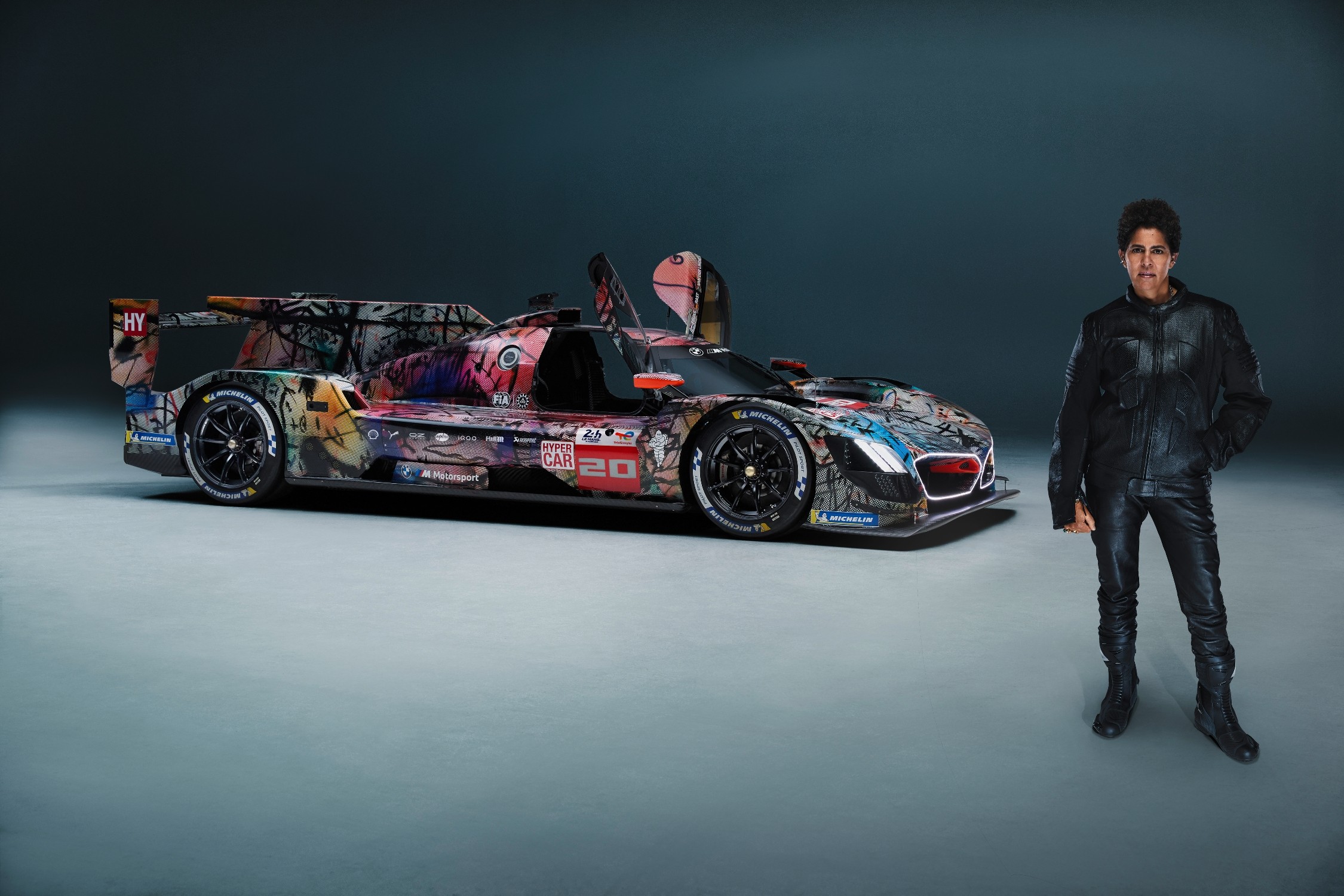
Rooted in a Pan-African vision, the African Film and Media Arts Collective (AFMAC) was launched in April 2025 by internationally acclaimed artist Julie Mehretu, in collaboration with Emmy-nominated film producer and writer Mehret Mandefro and the BMW Group. The initiative builds on Mehretu’s ongoing partnership with BMW, which began with the unveiling of her artist-designed BMW M Hybrid V8 at the Centre Pompidou in Paris in May 2024, followed by its race debut at Le Mans. In 2025, the project evolved beyond the vehicle itself, marking a historic first in the 50-year legacy of the BMW Art Car Collection−where artistic collaboration extends beyond the car as object to a living, collective platform for creative exchange. Developed by Mehretu alongside her longtime collaborator Mehret Mandefro−co-founder of the Realness Institute, dedicated to the training and development of African filmmakers, AFMAC establishes a pan-African network of artists working across film and media arts. Guided by a cohort of African and international practitioners, the initiative has hosted workshops in partnership with cultural institutions in Lagos, Dakar, Tangier, Nairobi, and Cape Town, engaging approximately 50 artists. Through open calls facilitated by local partners, AFMAC continues to foster collaboration, skill-sharing, and new modes of storytelling, positioning the continent’s creative communities at the center of a global artistic dialogue.
Drawing on archival African film and media works, participants are encouraged to develop their own creative methodologies and experiment with new forms of media art. A central element of the workshops is the screening of rarely accessible African films, broadening historical awareness and deepening cultural context. Beyond skills development, the initiative is driven by a long-term vision: to build sustainable infrastructures that endure beyond the workshops themselves and meaningfully strengthen artistic communities across the continent. At the core of this approach is the creation of an online film archive−conceived as a living resource that African artists can continue to engage with, reinterpret, and build upon over time.
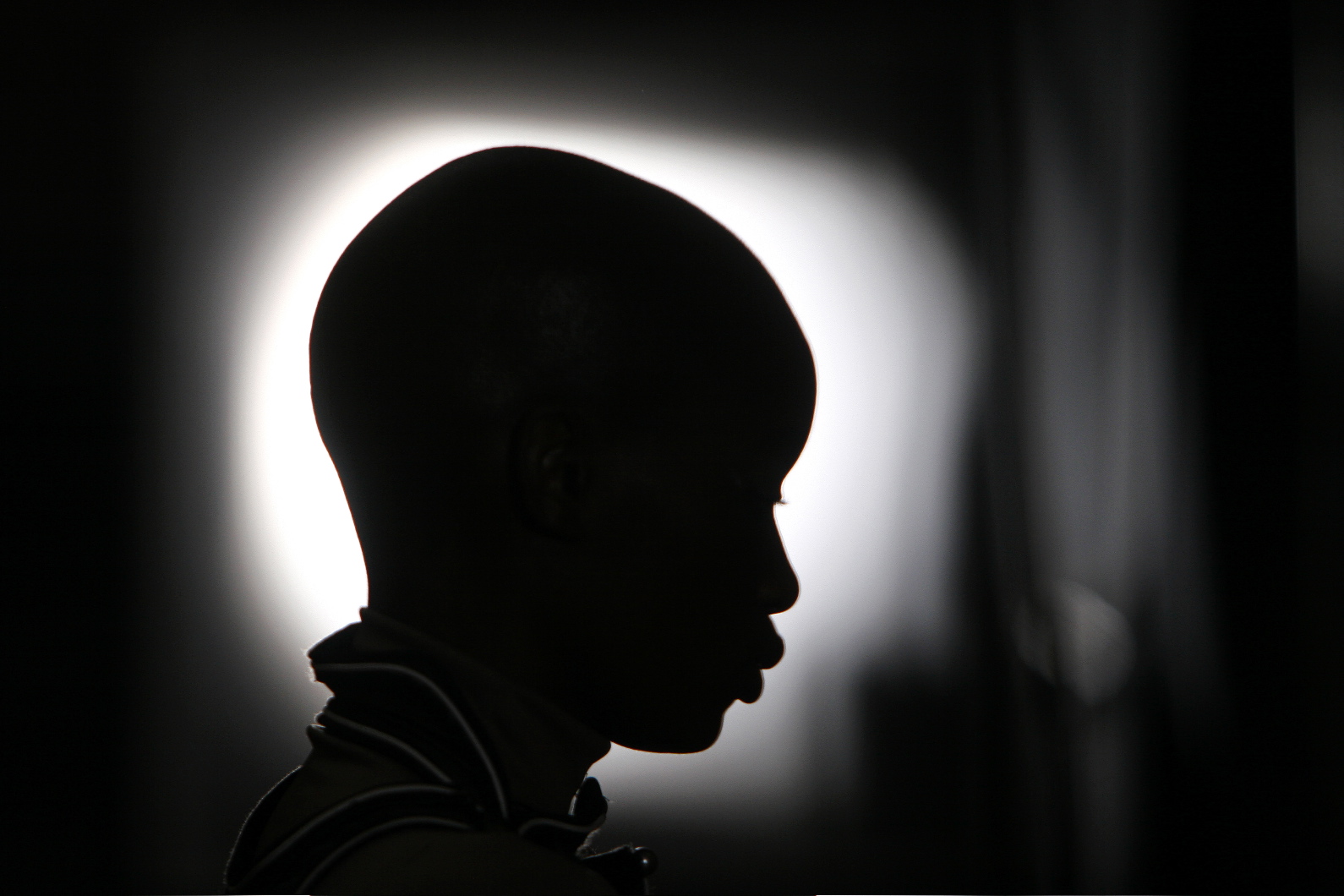
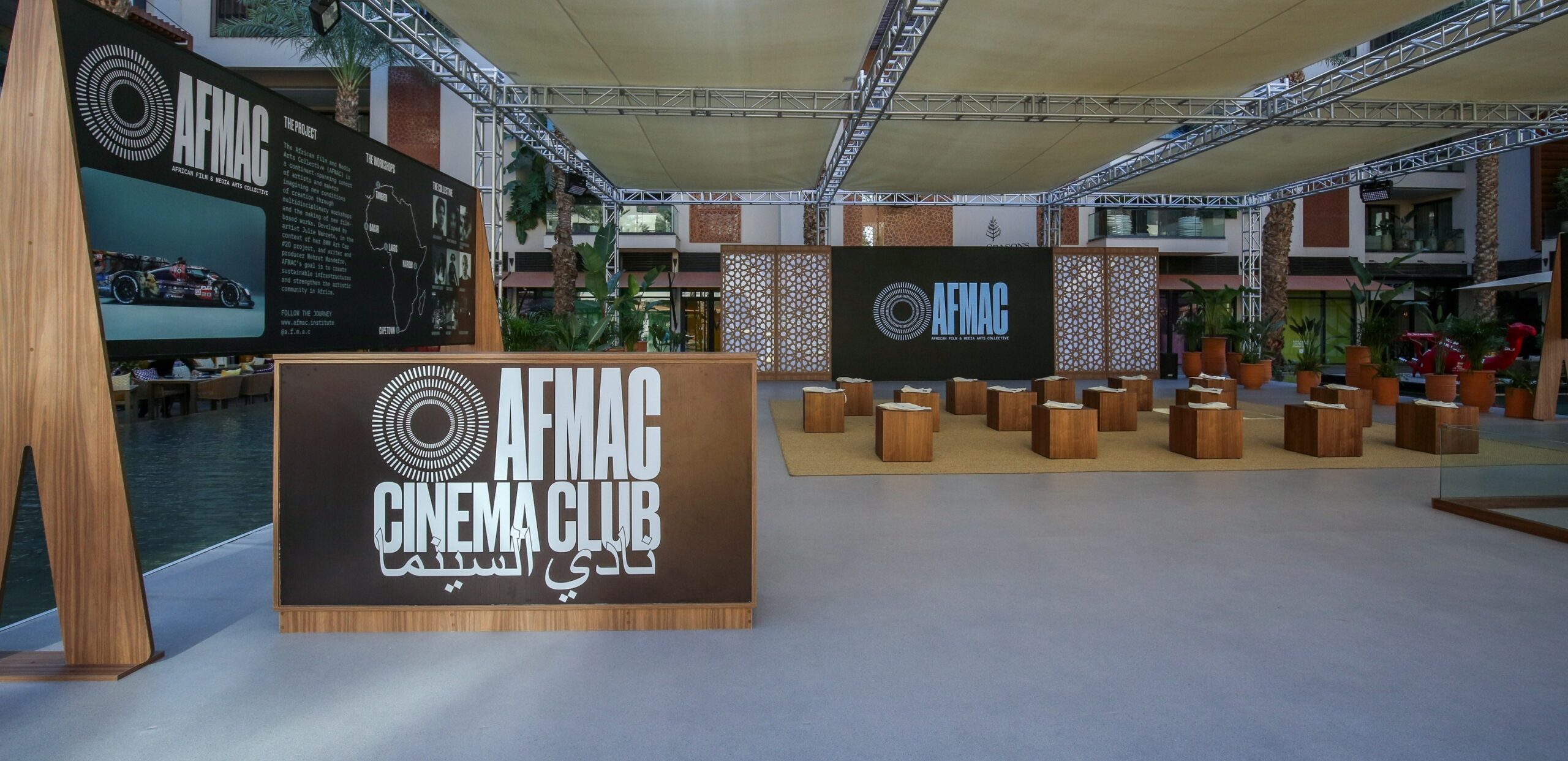
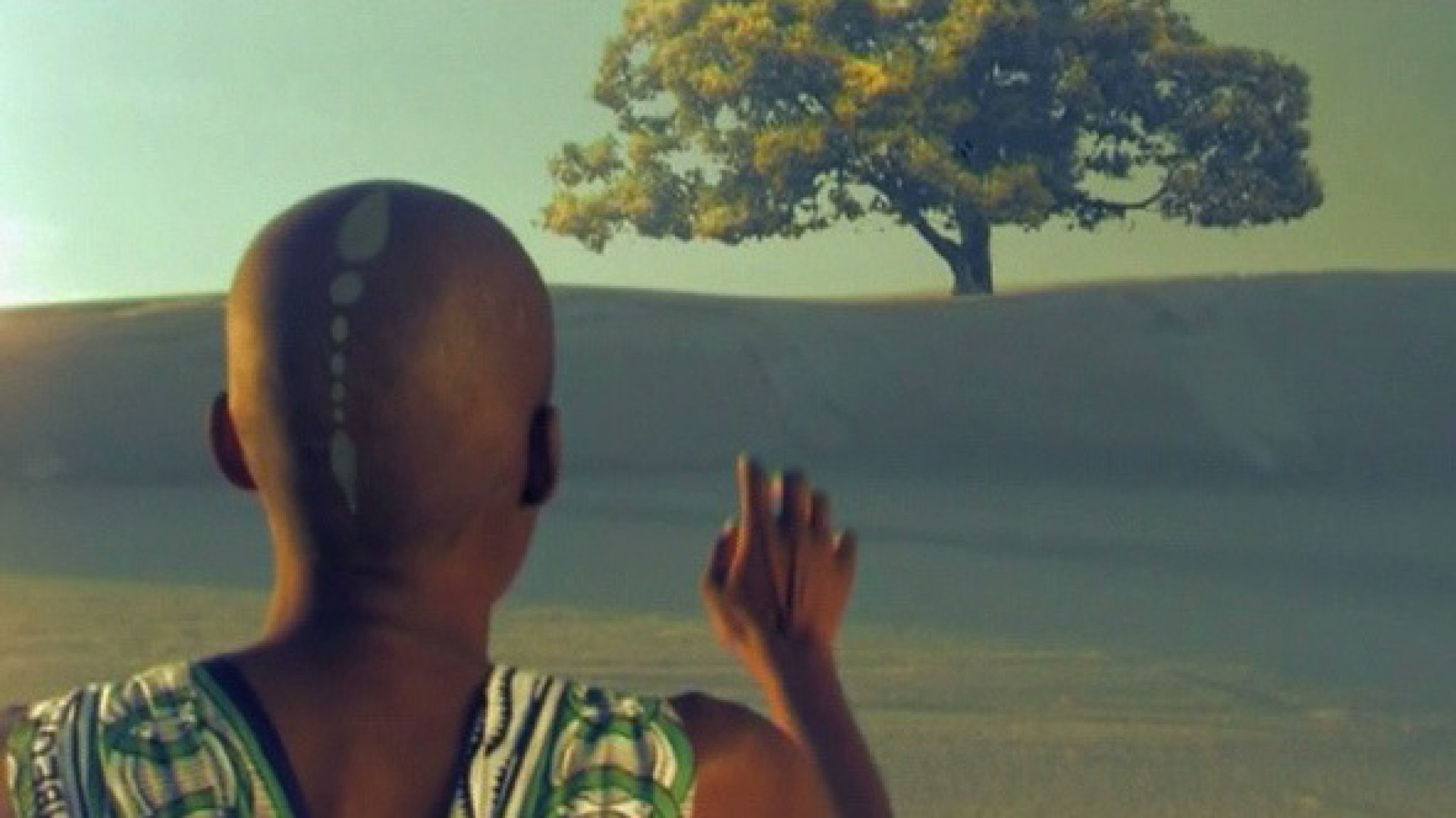
The AFMAC collective brings together a distinguished group of artists and thinkers, including Jim Chuchu (Kenya), Robin Coste Lewis (USA), Mati Diop (France/Senegal), Coco Fusco (USA), Wanuri Kahiu (Kenya), Zeresenay Berhane Mehari (Ethiopia), and The Otolith Group (United Kingdom). In November last year, MANJU Journal−represented by its founder Richmond Orlando Mensah−had the honour of joining AFMAC and BMW on an internationally curated media trip during the 22nd edition of the Marrakech International Film Festival. As the festival’s long-term mobility partner, Smeia−the exclusive importer of BMW in Morocco−together with BMW AG, offered an immersive introduction to works by AFMAC lead artists Zeresenay Berhane Mehari, Wanuri Kahiu, Jim Chuchu, and The Otolith Group. These presentations were complemented by insights from AFMAC workshops, staged alongside Julie Mehretu’s BMW Art Car on the festival grounds during the opening weekend. Further extending the programme, the Atlas Workshops−an industry-facing talent development platform−hosted conversations led by Mehret Mandefro and Zeresenay Berhane Mehari, who shared perspectives on their creative practices with Atlas Station participants. The panel ''Beyond the Gaze: Authentic African Stories and the Creative Journey'' interrogated both the promise and the tensions of authentic storytelling within global creative economies. Mehari reflected on his process and addressed the challenge of safeguarding artistic voice and vision within a marketplace that often demands compromise.
''The magic of bringing people together starts with us. AFMAC creates forums for conversations in small, critical masses and surfaces resources to take the next steps. We build on the work of our local cultural partners: They already created a grounded cultural infrastructure, showing that art is not just a nice-to-have but a must-have. The talent and cultural energy emerging from these cities is electric – culture cannot be gated, it will always find a way to be heard,'' says Mehret Mandefro, co-founder of AFMAC.
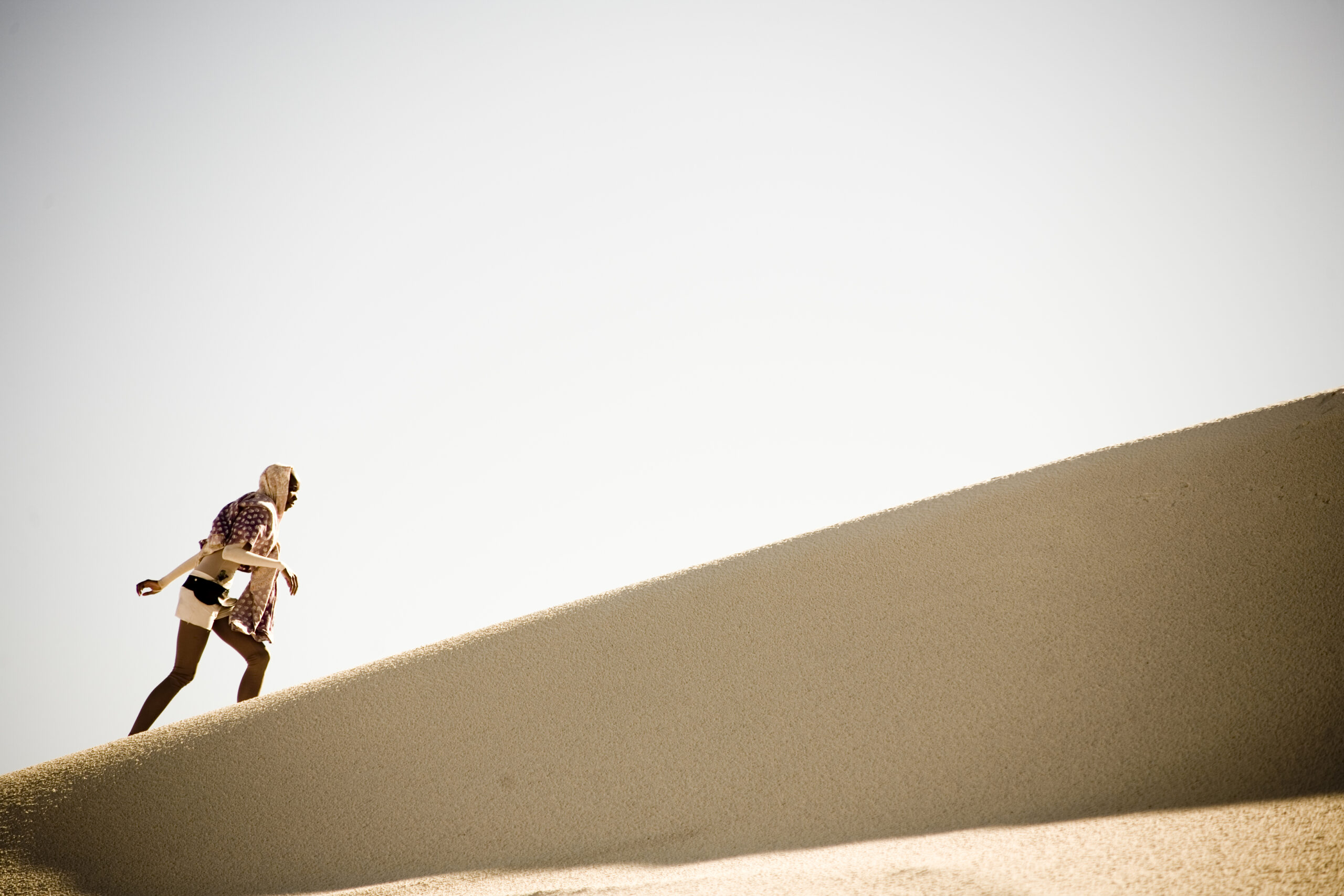
Each workshop across these cities will culminate in the production of a new film. Together, the completed works will form an anthology of contemporary African filmmaking, conceived to sit in dialogue with exhibitions of Julie Mehretu’s 20th BMW Art Car. In December 2026, the anthology is set to premiere as part of a major exhibition dedicated to AFMAC at Zeitz Museum of Contemporary Art Africa (Zeitz MOCAA) in Cape Town, presented alongside the 20th Art Car. BMW’s long-standing partnership with the museum, and its extensive network of cultural practitioners and non-profit institutions across Africa, continues to support the sustainable development and long-term ambitions of AFMAC.
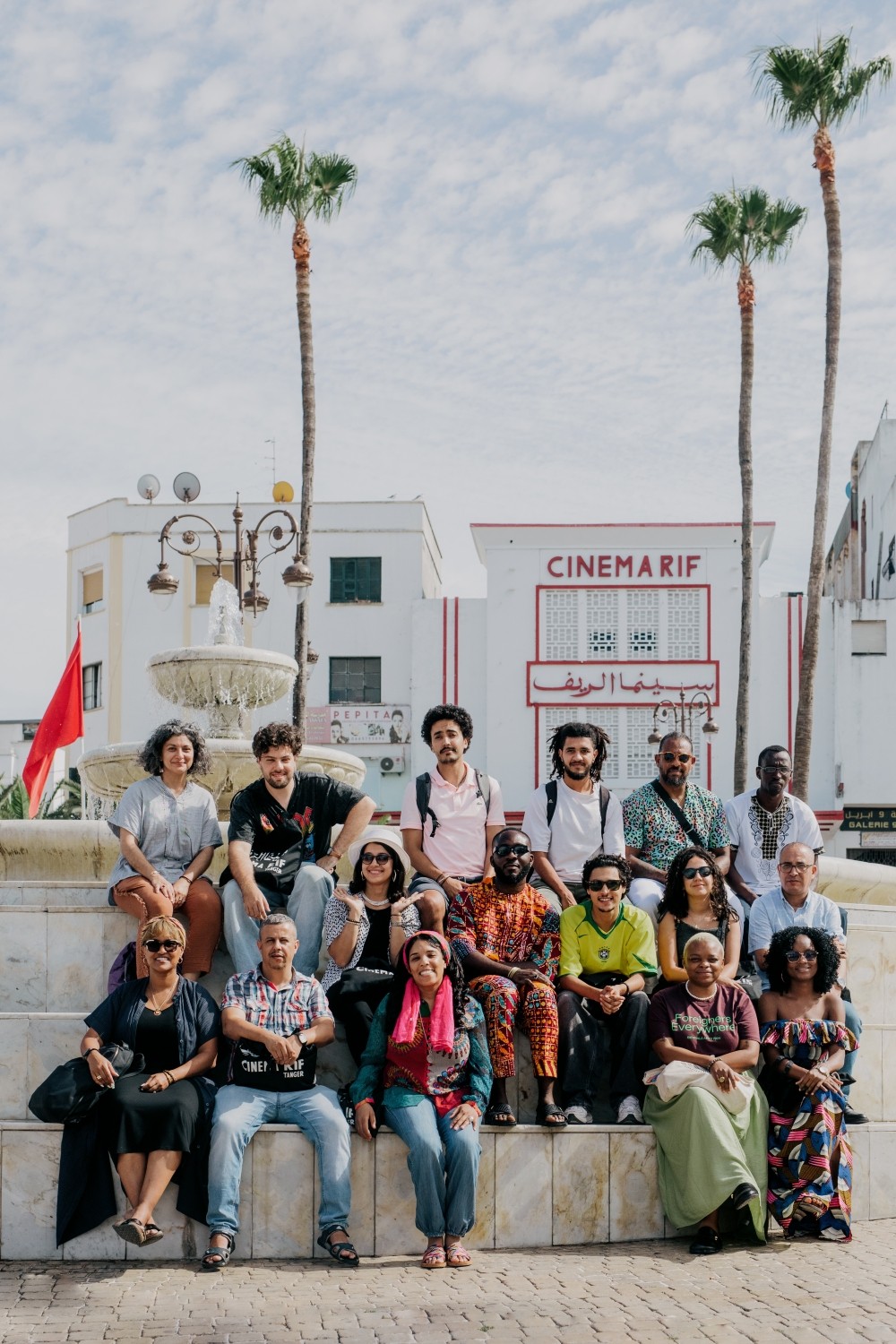
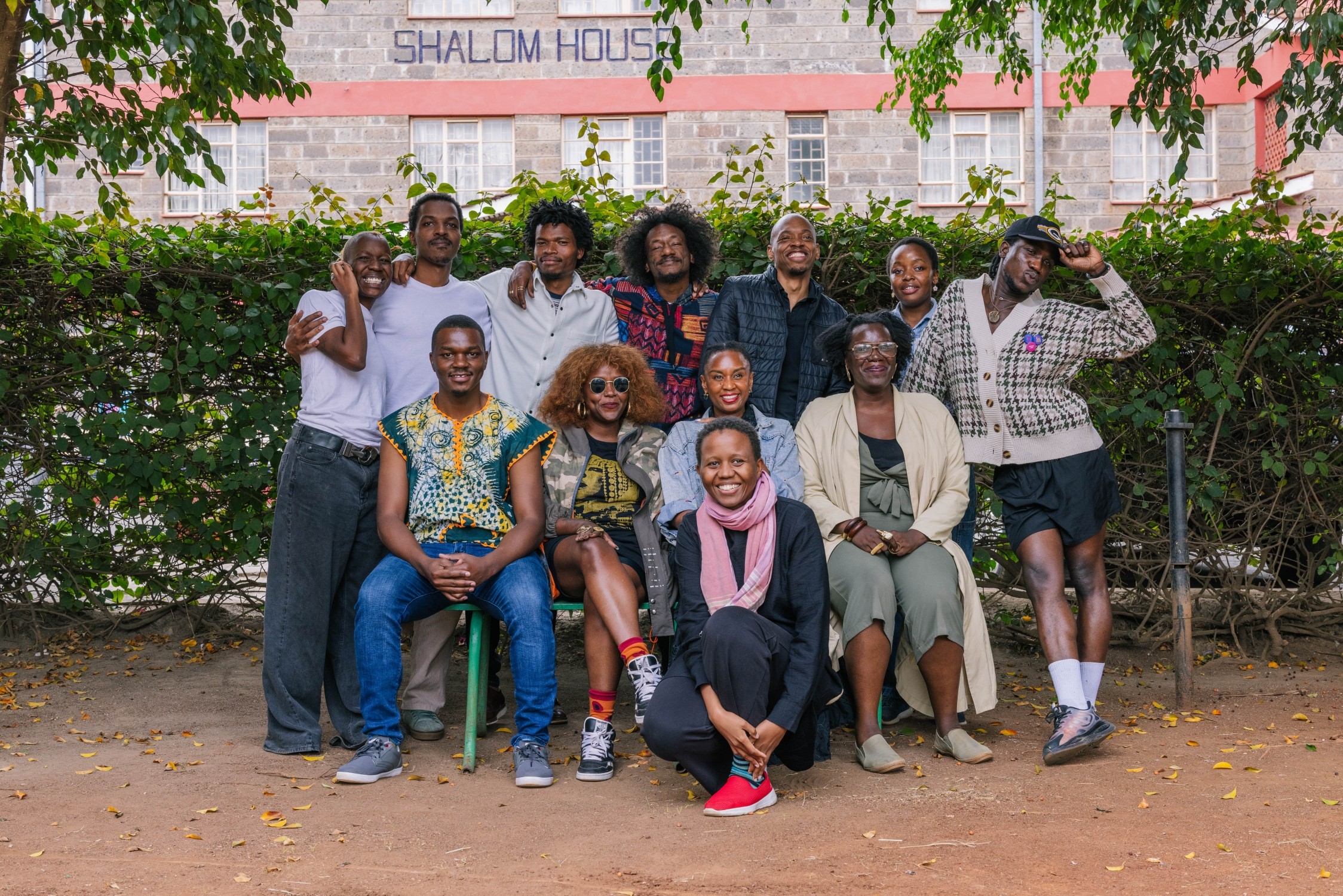
All images courtesy of AFMAC & BMW Group.
The African Film and Media Arts Collective is a continent-spanning cohort of artists and makers imagining new conditions of creation
Rooted in a Pan-African vision, the African Film and Media Arts Collective (AFMAC) was launched in April 2025 by internationally acclaimed artist Julie Mehretu, in collaboration with Emmy-nominated film producer and writer Mehret Mandefro and the BMW Group. The initiative builds on Mehretu’s ongoing partnership with BMW, which began with the unveiling of her artist-designed BMW M Hybrid V8 at the Centre Pompidou in Paris in May 2024, followed by its race debut at Le Mans. In 2025, the project evolved beyond the vehicle itself, marking a historic first in the 50-year legacy of the BMW Art Car Collection−where artistic collaboration extends beyond the car as object to a living, collective platform for creative exchange. Developed by Mehretu alongside her longtime collaborator Mehret Mandefro−co-founder of the Realness Institute, dedicated to the training and development of African filmmakers, AFMAC establishes a pan-African network of artists working across film and media arts. Guided by a cohort of African and international practitioners, the initiative has hosted workshops in partnership with cultural institutions in Lagos, Dakar, Tangier, Nairobi, and Cape Town, engaging approximately 50 artists. Through open calls facilitated by local partners, AFMAC continues to foster collaboration, skill-sharing, and new modes of storytelling, positioning the continent’s creative communities at the center of a global artistic dialogue.
Drawing on archival African film and media works, participants are encouraged to develop their own creative methodologies and experiment with new forms of media art. A central element of the workshops is the screening of rarely accessible African films, broadening historical awareness and deepening cultural context. Beyond skills development, the initiative is driven by a long-term vision: to build sustainable infrastructures that endure beyond the workshops themselves and meaningfully strengthen artistic communities across the continent. At the core of this approach is the creation of an online film archive−conceived as a living resource that African artists can continue to engage with, reinterpret, and build upon over time.
The AFMAC collective brings together a distinguished group of artists and thinkers, including Jim Chuchu (Kenya), Robin Coste Lewis (USA), Mati Diop (France/Senegal), Coco Fusco (USA), Wanuri Kahiu (Kenya), Zeresenay Berhane Mehari (Ethiopia), and The Otolith Group (United Kingdom). In November last year, MANJU Journal−represented by its founder Richmond Orlando Mensah−had the honour of joining AFMAC and BMW on an internationally curated media trip during the 22nd edition of the Marrakech International Film Festival. As the festival’s long-term mobility partner, Smeia−the exclusive importer of BMW in Morocco−together with BMW AG, offered an immersive introduction to works by AFMAC lead artists Zeresenay Berhane Mehari, Wanuri Kahiu, Jim Chuchu, and The Otolith Group. These presentations were complemented by insights from AFMAC workshops, staged alongside Julie Mehretu’s BMW Art Car on the festival grounds during the opening weekend. Further extending the programme, the Atlas Workshops−an industry-facing talent development platform−hosted conversations led by Mehret Mandefro and Zeresenay Berhane Mehari, who shared perspectives on their creative practices with Atlas Station participants. The panel ''Beyond the Gaze: Authentic African Stories and the Creative Journey'' interrogated both the promise and the tensions of authentic storytelling within global creative economies. Mehari reflected on his process and addressed the challenge of safeguarding artistic voice and vision within a marketplace that often demands compromise.
''The magic of bringing people together starts with us. AFMAC creates forums for conversations in small, critical masses and surfaces resources to take the next steps. We build on the work of our local cultural partners: They already created a grounded cultural infrastructure, showing that art is not just a nice-to-have but a must-have. The talent and cultural energy emerging from these cities is electric – culture cannot be gated, it will always find a way to be heard,'' says Mehret Mandefro, co-founder of AFMAC.
Each workshop across these cities will culminate in the production of a new film. Together, the completed works will form an anthology of contemporary African filmmaking, conceived to sit in dialogue with exhibitions of Julie Mehretu’s 20th BMW Art Car. In December 2026, the anthology is set to premiere as part of a major exhibition dedicated to AFMAC at Zeitz Museum of Contemporary Art Africa (Zeitz MOCAA) in Cape Town, presented alongside the 20th Art Car. BMW’s long-standing partnership with the museum, and its extensive network of cultural practitioners and non-profit institutions across Africa, continues to support the sustainable development and long-term ambitions of AFMAC.
All images courtesy of AFMAC & BMW Group.