EBORO
In his singular poetic language and hypnotic photographs, Nuits Balnéaires’ latest project traces intergenerational trajectories, foregrounding imagination as a restorative site for transgenerational repair
The Ivorian photographer and visual artist Nuits Balnéaires, based in Grand-Bassam, began his career in the fashion industry before developing a multidisciplinary practice that brings together photography, visual narration, and poetic writing. His work engages questions of memory, lineage, spirituality, and transmission, unfolding in close dialogue with the coastal territories of the Gulf of Guinea. Rooted in the multicultural landscape of Côte d’Ivoire’s southeastern shores, his images explore the profound entanglement between people, environment, and ancestral consciousness. Inspired by the Nzima and Agni-Bona belief in a return to a single human origin at life’s end, his series Eboro (2025) takes viewers on a metaphorical journey toward his ancestors, and toward himself. Rendered through a rich, cinematic palette, the photographs evoke nostalgia and a quiet, lingering longing, unfolding within an imaginative terrain where past and present converge and drift across borders into neighboring territories and temporalities. The conceptual point of departure for the work is the artist’s uncle, Noel X Ebony; a journalist, poet, and playwright who died under unresolved circumstances in Senegal. Ebony’s engagement with the cultural and political stakes of African independence permeates the project, drawing viewers into layered histories while inviting speculation about the future: what shape it might take, or whether it already exists in fragments waiting to be assembled. Against the geographical backdrop of the Gulf of Guinea, Balnéaires stages images that mirror the experience of his ancestors in exile alongside his own reflections on travel and migration. Short, color-coded photographic chapters, at times intimate, at others sumptuously cinematic are accompanied by a split-screen video, together evoking an Ivorian imagination in flux.
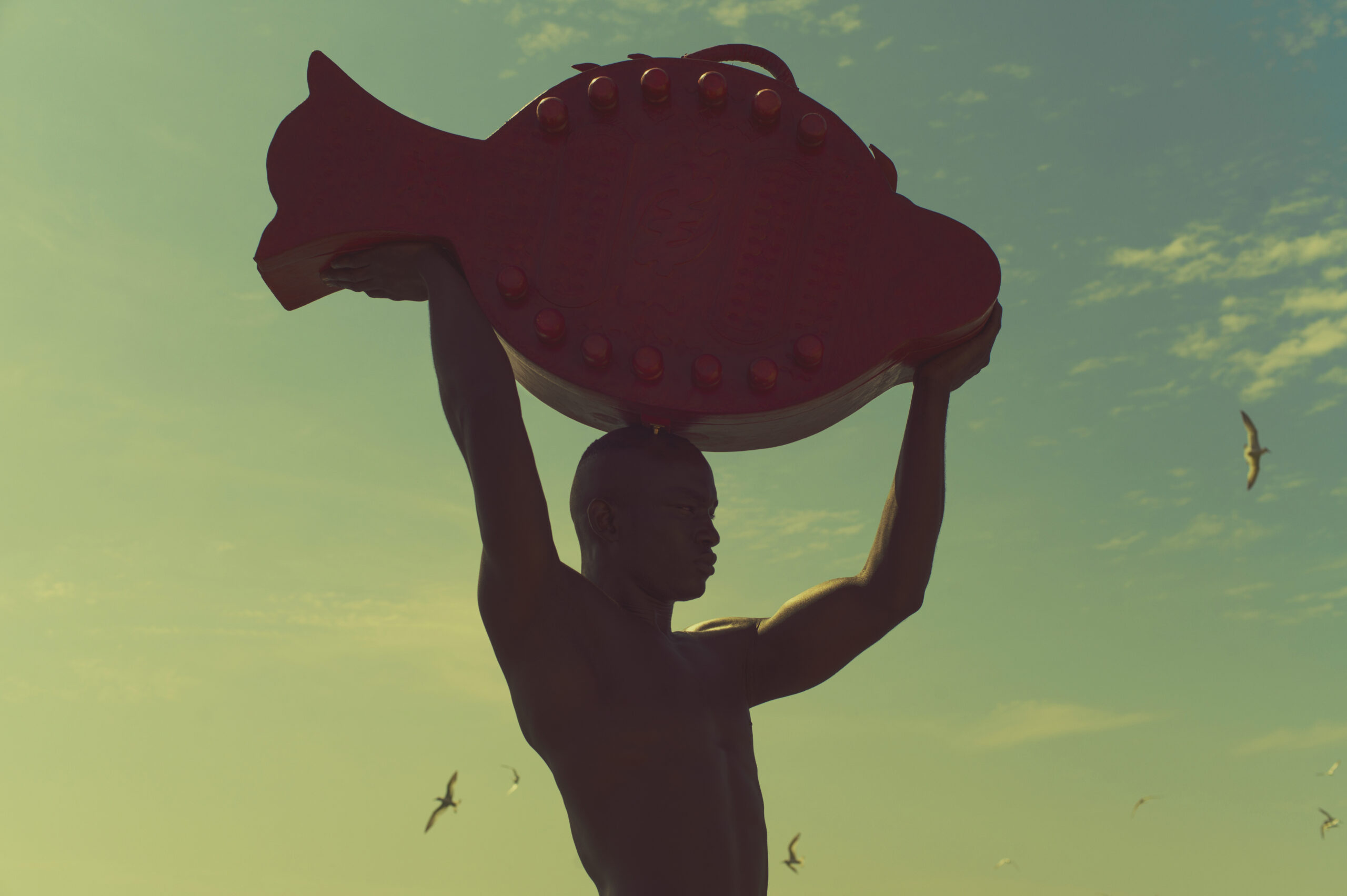
Nuits Balnéaires, Le Messager 14, from the series Eboro, 2025 © Nuits Balnéaires
The title Eboro, an Akan term referring to the passage to the afterlife and also suggesting a boundary or threshold, reflects the project’s layered symbolism. References span cinema, literature, poetry, contemporary style, and fashion, proposing a life shaped as much by digital communities as by inherited forms of national identity. Through this body of work, Dadi (Nuits Balnéaires's real name) examines intergenerational trajectories and positions imagination as a vital space for healing transgenerational wounds. The series was developed within Latitudes, a program by the Fondation d’entreprise Hermès in partnership with the Fondation Henri Cartier-Bresson and the International Center of Photography (ICP). Launched in 2024 as an expansion of the earlier French-American Immersion residency, Latitudes takes its name from a geographical concept, signaling its ambition to foreground artistic scenes that remain underrepresented internationally. Côte d’Ivoire is the inaugural country in the program’s two-year cycle, and each selected project is accompanied by a bilingual photobook co-published by Atelier EXB and the Fondation d’entreprise Hermès. Balnéaires is also a recipient of the Inspiration Benin program, implemented by the Institut français du Bénin, further affirming the growing institutional recognition of his work across Africa and beyond. At ICP, the exhibition Latitudes: Nuits Balnéaires and François-Xavier Gbré, curated by David Campany, presents new projects created within the program. Bringing together Gbré’s Radio Ballast and Balnéaires’ Eboro, the exhibition highlights two distinct approaches to image-making and historical inquiry, each reflecting on the layered realities of contemporary Côte d’Ivoire. MANJU Journal spoke with the artist to delve deeper into this evolving body of work, its conceptual foundations, and the worlds it continues to unfold.
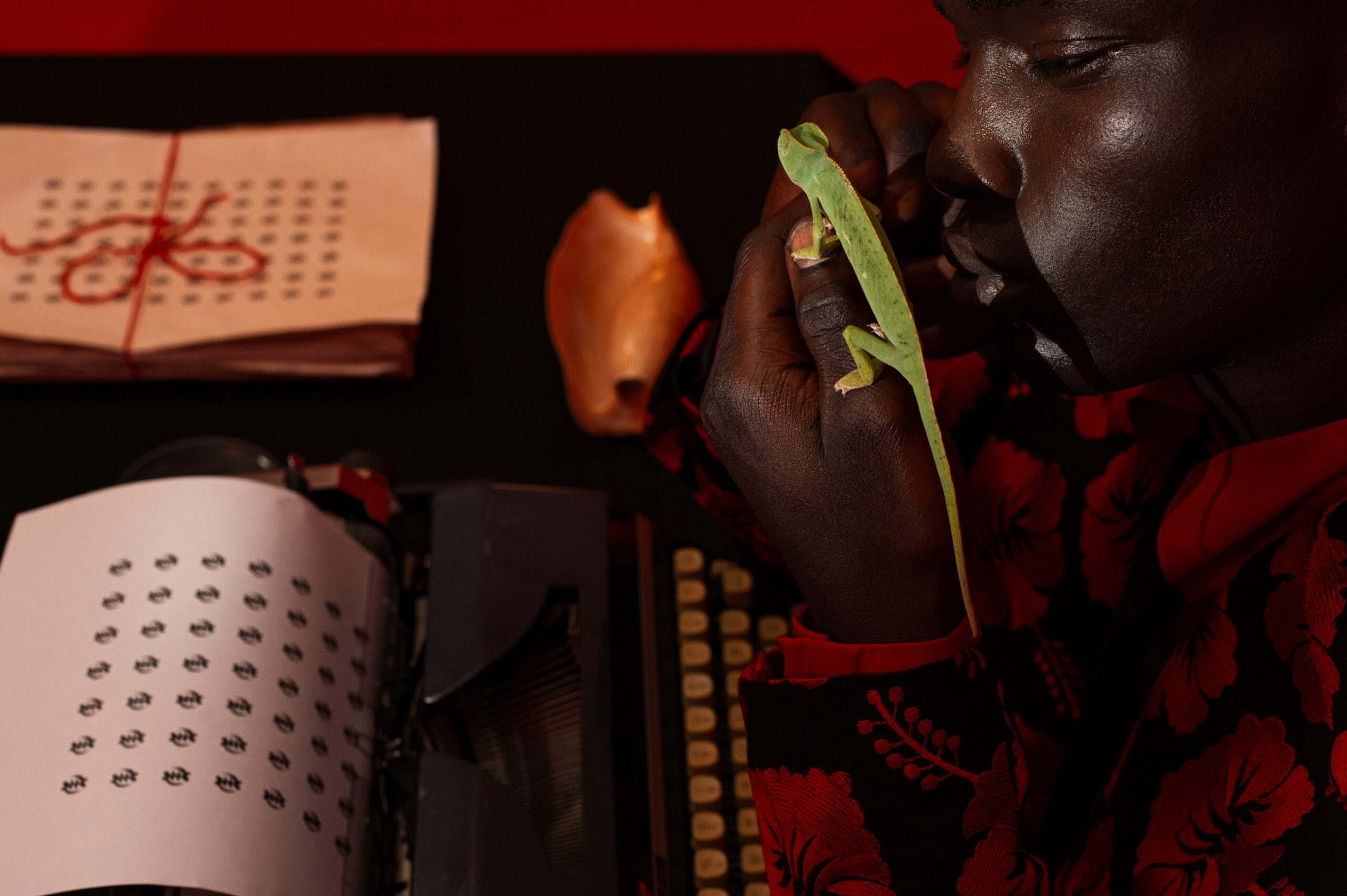
Nuits Balnéaires, Le Mat 4, from the series Eboro, 2025 © Nuits Balnéaires
1) Now that Eboro exists publicly as both a book and an exhibition at ICP, how has your relationship to the work changed since its release?
Since its publication and presentation at the ICP, my relationship with Eboro has evolved. It is still a step from vision to physical materialisation, here through the book as an object, but also through the form that the work takes in space to be experienced collectively. For this project, which is highly introspective and largely constructed within the space of my personal reflection, the fact that it now exists in a shared space invites visitors to engage in an introspective experience while revealing new perspectives for me through their reactions. It is fascinating to see how these perspectives bring out aspects of the work that take on increasing meaning and corroborate this dimension of destinies, thus enriching the psychogenealogical foundation of the project.
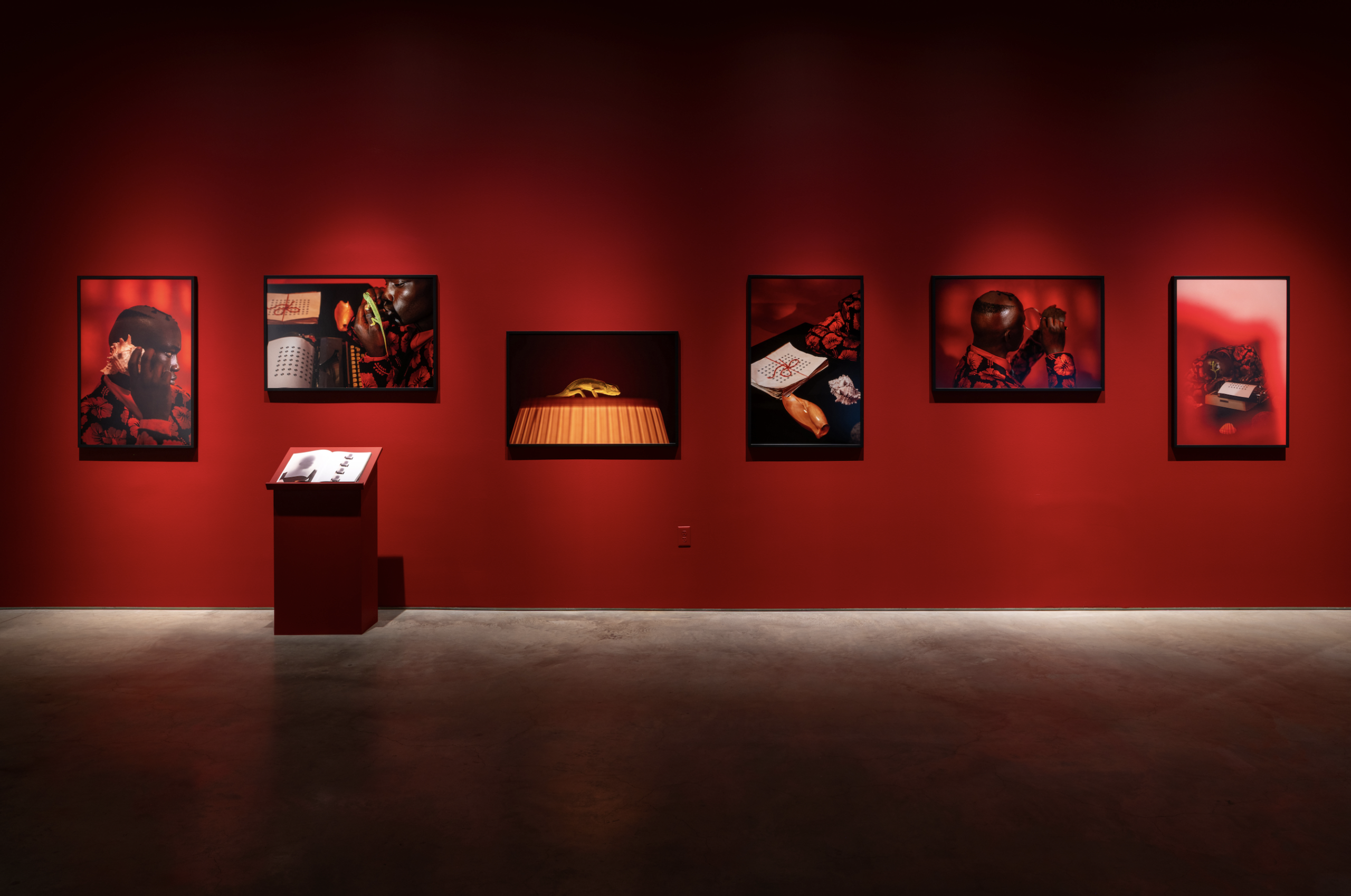
Exhibition Installation at the International Center of Photography, New York. © Jenna Bascom
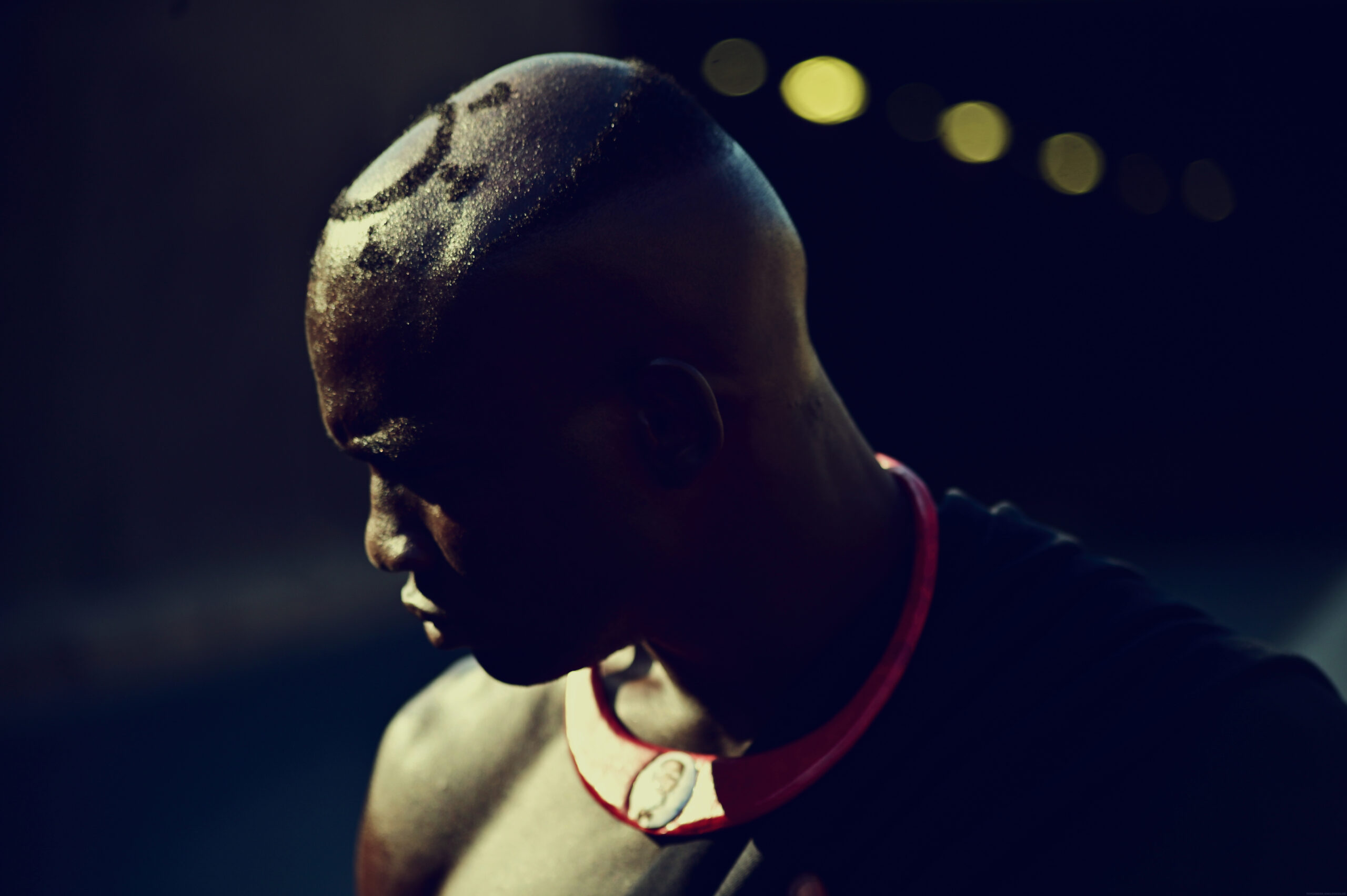
Nuits Balnéaires, Le chemin qui monte et le chemin qui descend sont le même chemin 2, from the series Eboro, 2025 © Nuits Balnéaires
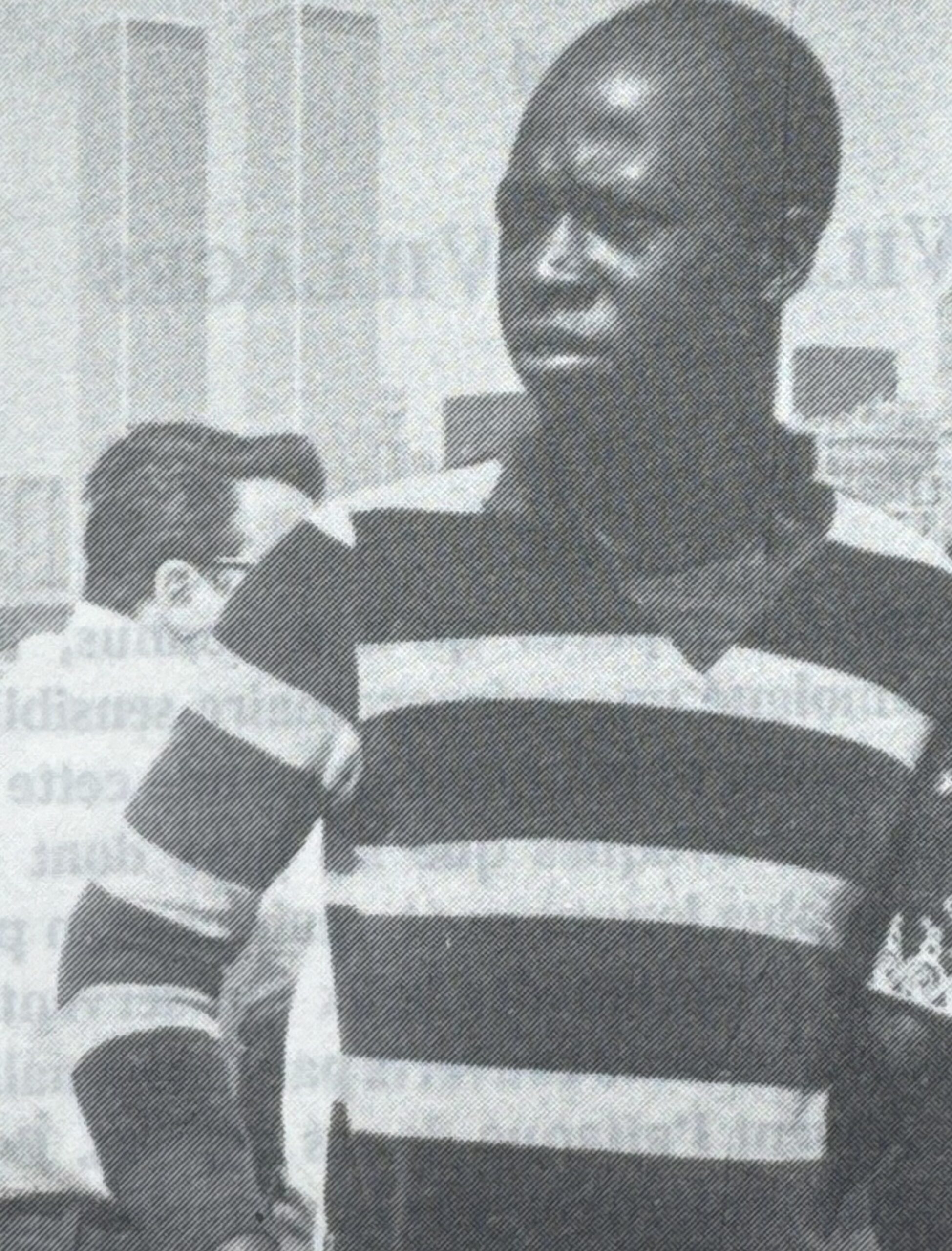
Noël X. Ebony in New York, likely in his late twenties. Photographer and year unknown
2) As Eboro circulates through different institutions and cities (Paris) before reaching Abidjan, how do you see its meaning shifting, or holding - across contexts? Eboro draws deeply on the ideas of migration, exile, and uprooting. One of the foundations of its construction has been the psychogenealogy of places of life, which explains much of its materialization in Dakar, where Noël X. Ebony was exiled. It feels as though destiny is carrying me toward these places, for reasons that are still revealing themselves. Presenting the work in ICP New York as a first step follows, above all, the exhibition schedule initiated by the Latitudes program of the Fondation d’entreprise Hermès, but it also resonates perfectly with the questions and identity crises that have long crossed America and continue to this day, as well as with the sense of uprooting that can accompany the Black experience, but also that of many other backgrounds. Eboro celebrates multiculturalism. The chameleon embodies a strong symbol of adaptation, capable of displaying multiple colors. Traversing this path is also, for me, a way to walk again through the spaces where Noël X. Ebony lived, which profoundly influenced his life. It is like retracing his journey through a different era, with socio-political contexts that differ in form but remain very similar in essence and in the challenges related to the relationship between space and identity. The second exhibition at Fondation Henri Cartier-Bresson in Paris, a city where Noël X. Ebony lived for a long time and with which we share strong connections through language but also through our political history, marks another important stage. The exhibition will take slightly different forms in each location in New York, Paris, and Abidjan, adapting to each space while enriching itself with new works and installations. This is what makes the project with Latitudes particularly exciting: its ability to unfold and transform over an extended period. The exhibition in Abidjan, by bringing us back to the city of origin that shaped us both, resonates with the project’s political, familial, and transgenerational dimensions and a cultural proximity that gives it a new reading. Yet across the spaces the project traverses, layers such as reflections on time, memory, and the human condition remain constant.
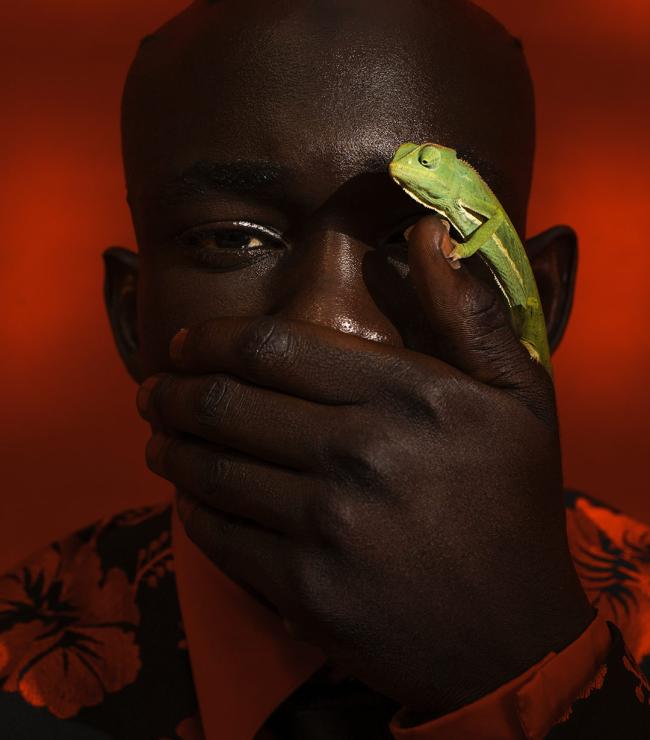
Nuits Balnéaires, Le Messager 7, from the series Eboro, 2025 © Nuits Balnéaires
3) When working with spiritual knowledge that resists full visibility, how do you decide what remains opaque as the work enters institutional spaces?
In the context of Eboro, it may be less of a mystical exploration and more of a psychic one, rooted in our humanity, with its spiritual dimension found in being in harmony with our environment and aligned with ourselves. I work with colorimetric and iconographic codes borrowed from Akan and West African traditions, which I bring into dialogue with more universal codes. I believe this work exists truly at this boundary, inviting introspection to uncover, deep within each of us, those invisible threads that are already present. The work was created in a very intuitive way, and even though some apparent references can be translated, the focus is above all on feeling the work. It is a portal that invites us to look through those dimensions of ourselves that we sometimes struggle to confront with courage, in order to transcend them and, at times, heal certain transgenerational wounds. I use the institutional space to create a dialogue between the visible and the invisible, and it is this tension that allows the viewer to feel, rather than simply understand. I seek to create a space where our humanity reconnects with its very essence.
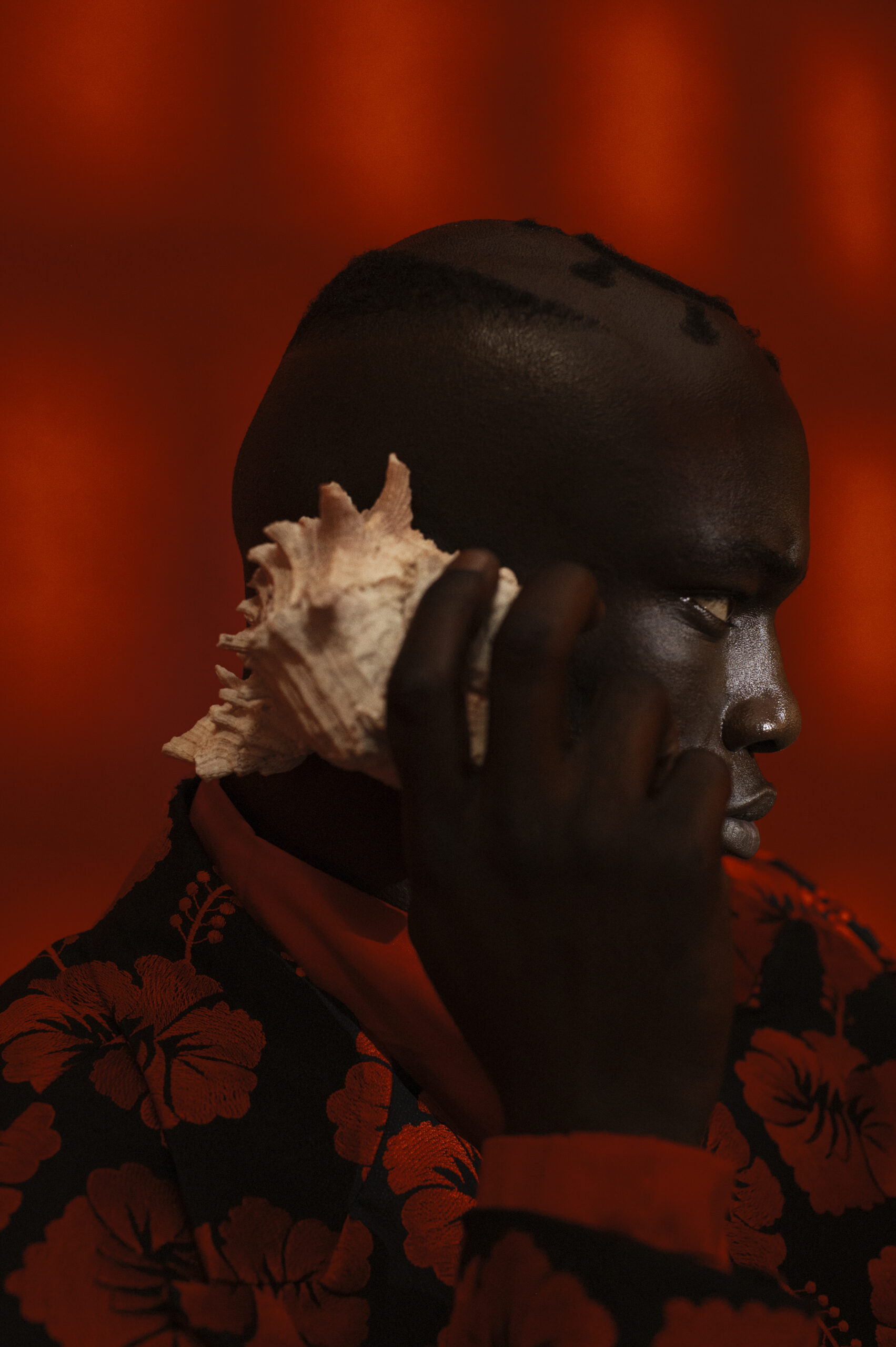
Nuits Balnéaires, Le Messager 8, from the series Eboro, 2025 © Nuits Balnéaires

Nuits Balnéaires, Le Mat 5, from the series Eboro, 2025 © Nuits Balnéaires
4) Do you consider Eboro a closed chapter, or a narrative that continues to evolve beyond the book and exhibition?
The book and the exhibition are visible stages of a story that continues to unfold within us. Eboro merely invites us collectively to this threshold, to question our ancestry, our predestined paths, and to bring into dialogue the beyond and our earthly experience, which are in reality just two
sides of the same coin. I believe it is a flame that will continue to live within us, nourish our imagination, and, I hope, offer the world a new perspective on how memory can be approached in our region.
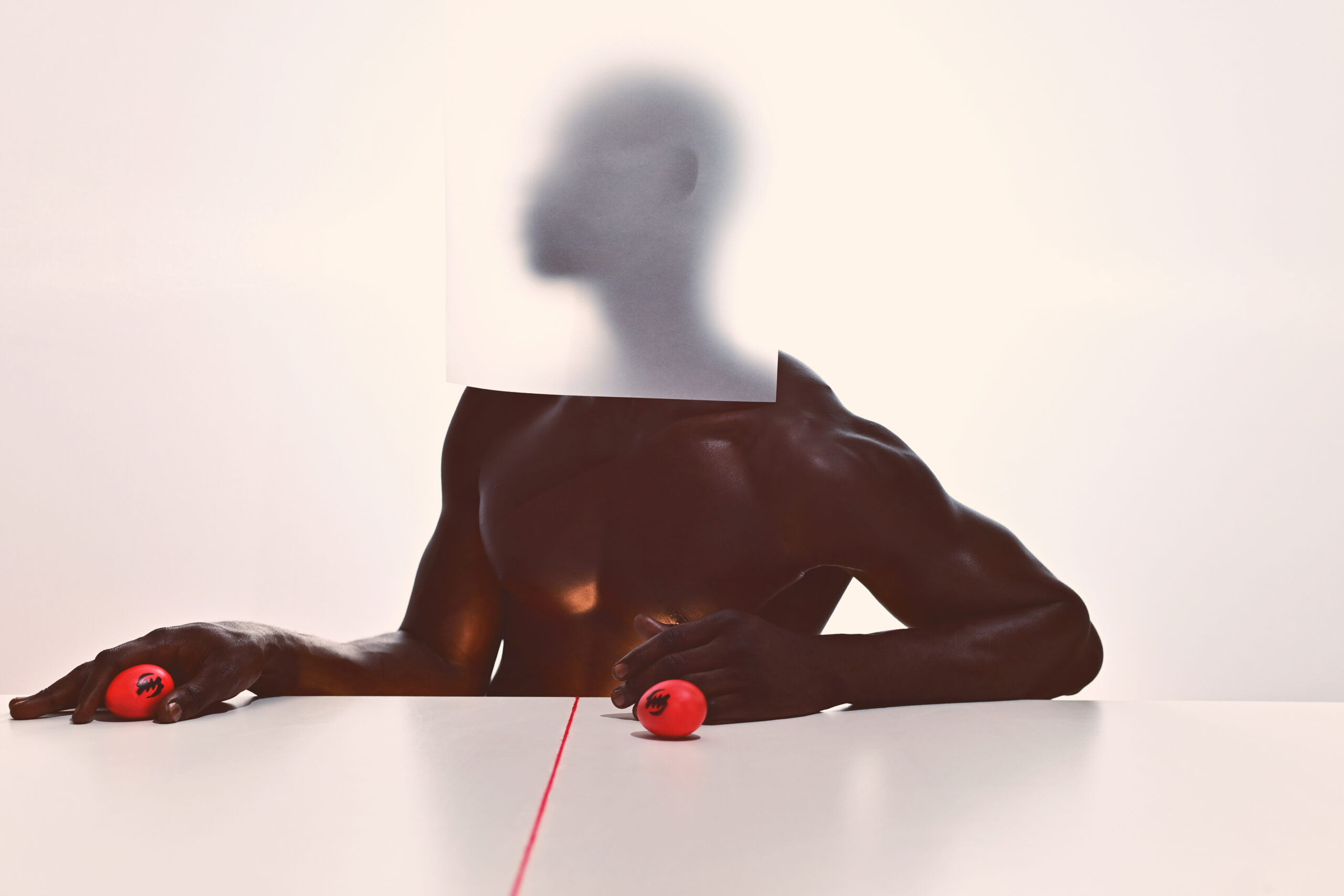
Nuits Balnéaires, Adama et Awa 3, from the series Eboro, 2025 © Nuits Balnéaires
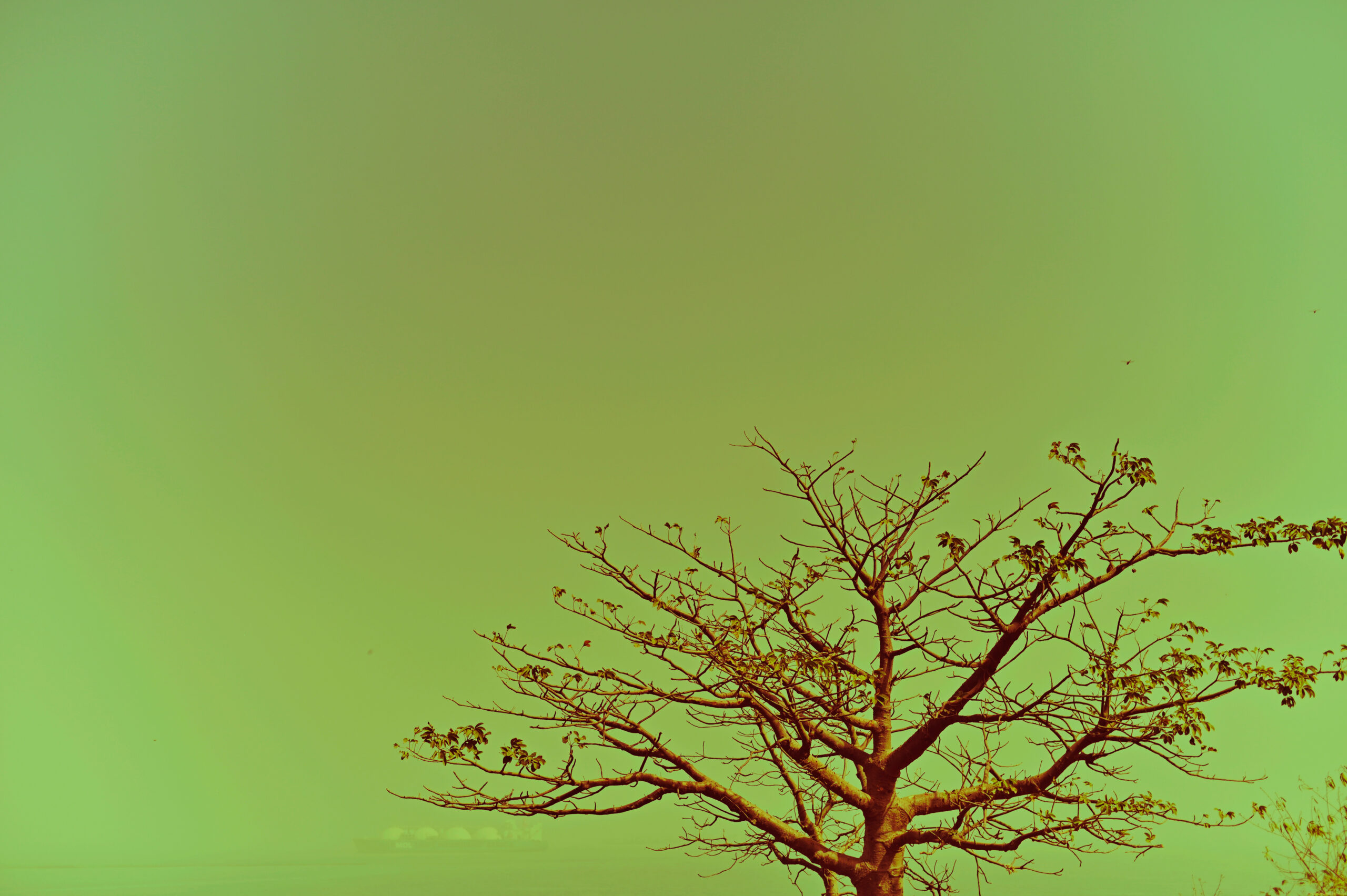
Nuits Balnéaires, Le chemin qui monte et le chemin qui descend sont le-même chemin 1, from the series Eboro, 2025 © Nuits Balnéaires
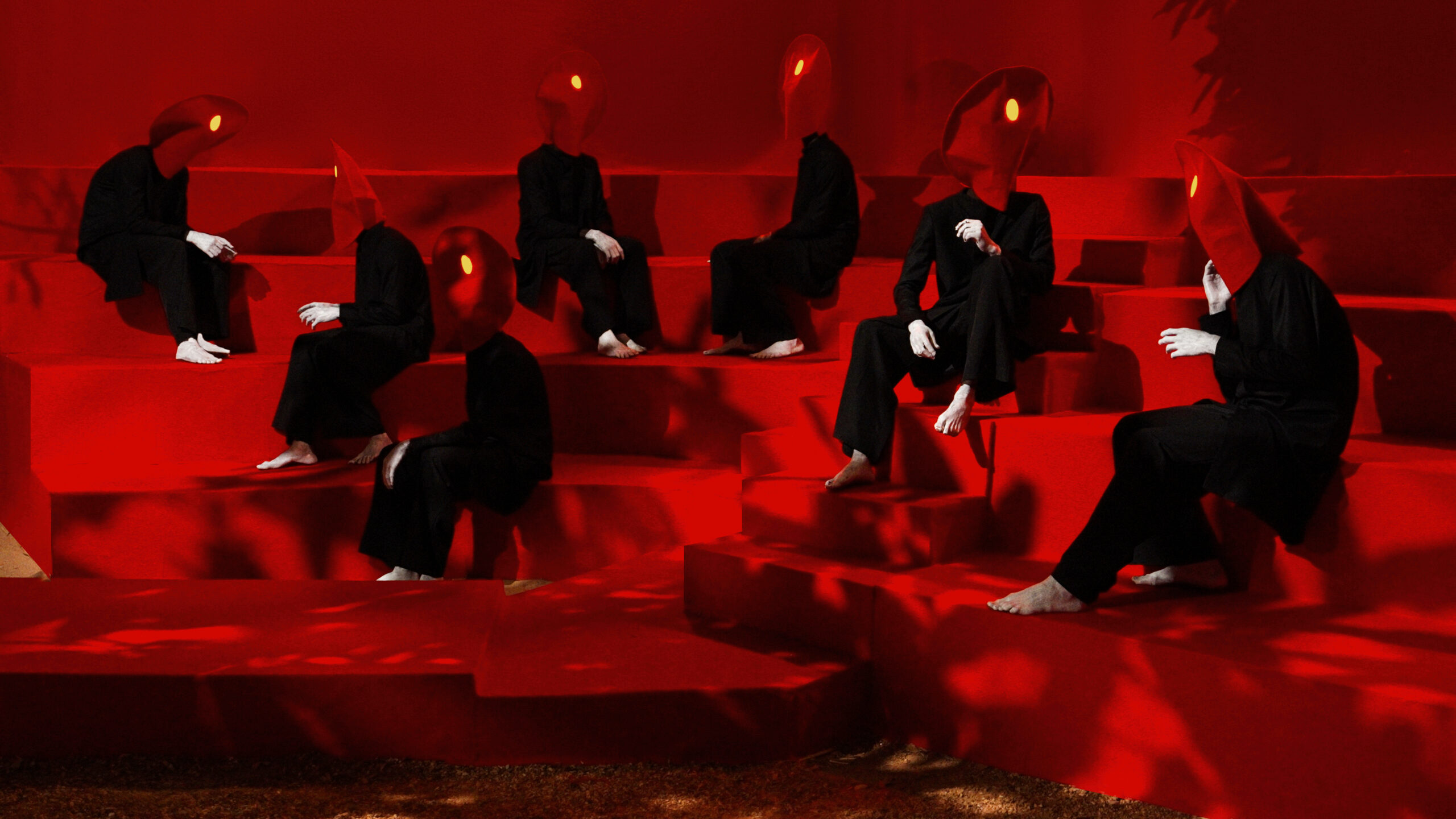
Nuits Balnéaires, Passages 12, from the series Eboro, 2025 © Nuits Balnéaires
Latitudes: Nuits Balnéaires and François-Xavier Gbré is on view at the International Center of Photography from January 29 to May 4, 2026. The exhibition then travels to the Fondation Henri Cartier-Bresson, Paris, from May 20 to October 4, 2026, before continuing to Abidjan in 2027.
The publication of the book Eboro, edited by EXB Editions is avaialble to purchase here.
In his singular poetic language and hypnotic photographs, Nuits Balnéaires’ latest project traces intergenerational trajectories, foregrounding imagination as a restorative site for transgenerational repair
The Ivorian photographer and visual artist Nuits Balnéaires, based in Grand-Bassam, began his career in the fashion industry before developing a multidisciplinary practice that brings together photography, visual narration, and poetic writing. His work engages questions of memory, lineage, spirituality, and transmission, unfolding in close dialogue with the coastal territories of the Gulf of Guinea. Rooted in the multicultural landscape of Côte d’Ivoire’s southeastern shores, his images explore the profound entanglement between people, environment, and ancestral consciousness. Inspired by the Nzima and Agni-Bona belief in a return to a single human origin at life’s end, his series Eboro (2025) takes viewers on a metaphorical journey toward his ancestors, and toward himself. Rendered through a rich, cinematic palette, the photographs evoke nostalgia and a quiet, lingering longing, unfolding within an imaginative terrain where past and present converge and drift across borders into neighboring territories and temporalities. The conceptual point of departure for the work is the artist’s uncle, Noel X Ebony; a journalist, poet, and playwright who died under unresolved circumstances in Senegal. Ebony’s engagement with the cultural and political stakes of African independence permeates the project, drawing viewers into layered histories while inviting speculation about the future: what shape it might take, or whether it already exists in fragments waiting to be assembled. Against the geographical backdrop of the Gulf of Guinea, Balnéaires stages images that mirror the experience of his ancestors in exile alongside his own reflections on travel and migration. Short, color-coded photographic chapters, at times intimate, at others sumptuously cinematic are accompanied by a split-screen video, together evoking an Ivorian imagination in flux.
Nuits Balnéaires, Le Messager 14, from the series Eboro, 2025 © Nuits Balnéaires
The title Eboro, an Akan term referring to the passage to the afterlife and also suggesting a boundary or threshold, reflects the project’s layered symbolism. References span cinema, literature, poetry, contemporary style, and fashion, proposing a life shaped as much by digital communities as by inherited forms of national identity. Through this body of work, Dadi (Nuits Balnéaires's real name) examines intergenerational trajectories and positions imagination as a vital space for healing transgenerational wounds. The series was developed within Latitudes, a program by the Fondation d’entreprise Hermès in partnership with the Fondation Henri Cartier-Bresson and the International Center of Photography (ICP). Launched in 2024 as an expansion of the earlier French-American Immersion residency, Latitudes takes its name from a geographical concept, signaling its ambition to foreground artistic scenes that remain underrepresented internationally. Côte d’Ivoire is the inaugural country in the program’s two-year cycle, and each selected project is accompanied by a bilingual photobook co-published by Atelier EXB and the Fondation d’entreprise Hermès. Balnéaires is also a recipient of the Inspiration Benin program, implemented by the Institut français du Bénin, further affirming the growing institutional recognition of his work across Africa and beyond. At ICP, the exhibition Latitudes: Nuits Balnéaires and François-Xavier Gbré, curated by David Campany, presents new projects created within the program. Bringing together Gbré’s Radio Ballast and Balnéaires’ Eboro, the exhibition highlights two distinct approaches to image-making and historical inquiry, each reflecting on the layered realities of contemporary Côte d’Ivoire. MANJU Journal spoke with the artist to delve deeper into this evolving body of work, its conceptual foundations, and the worlds it continues to unfold.
Nuits Balnéaires, Le Mat 4, from the series Eboro, 2025 © Nuits Balnéaires
1) Now that Eboro exists publicly as both a book and an exhibition at ICP, how has your relationship to the work changed since its release?
Since its publication and presentation at the ICP, my relationship with Eboro has evolved. It is still a step from vision to physical materialisation, here through the book as an object, but also through the form that the work takes in space to be experienced collectively. For this project, which is highly introspective and largely constructed within the space of my personal reflection, the fact that it now exists in a shared space invites visitors to engage in an introspective experience while revealing new perspectives for me through their reactions. It is fascinating to see how these perspectives bring out aspects of the work that take on increasing meaning and corroborate this dimension of destinies, thus enriching the psychogenealogical foundation of the project.
Exhibition Installation at the International Center of Photography, New York. © Jenna Bascom
Nuits Balnéaires, Le chemin qui monte et le chemin qui descend sont le même chemin 2, from the series Eboro, 2025 © Nuits Balnéaires
Noël X. Ebony in New York, likely in his late twenties. Photographer and year unknown
2) As Eboro circulates through different institutions and cities (Paris) before reaching Abidjan, how do you see its meaning shifting, or holding - across contexts? Eboro draws deeply on the ideas of migration, exile, and uprooting. One of the foundations of its construction has been the psychogenealogy of places of life, which explains much of its materialization in Dakar, where Noël X. Ebony was exiled. It feels as though destiny is carrying me toward these places, for reasons that are still revealing themselves. Presenting the work in ICP New York as a first step follows, above all, the exhibition schedule initiated by the Latitudes program of the Fondation d’entreprise Hermès, but it also resonates perfectly with the questions and identity crises that have long crossed America and continue to this day, as well as with the sense of uprooting that can accompany the Black experience, but also that of many other backgrounds. Eboro celebrates multiculturalism. The chameleon embodies a strong symbol of adaptation, capable of displaying multiple colors. Traversing this path is also, for me, a way to walk again through the spaces where Noël X. Ebony lived, which profoundly influenced his life. It is like retracing his journey through a different era, with socio-political contexts that differ in form but remain very similar in essence and in the challenges related to the relationship between space and identity. The second exhibition at Fondation Henri Cartier-Bresson in Paris, a city where Noël X. Ebony lived for a long time and with which we share strong connections through language but also through our political history, marks another important stage. The exhibition will take slightly different forms in each location in New York, Paris, and Abidjan, adapting to each space while enriching itself with new works and installations. This is what makes the project with Latitudes particularly exciting: its ability to unfold and transform over an extended period. The exhibition in Abidjan, by bringing us back to the city of origin that shaped us both, resonates with the project’s political, familial, and transgenerational dimensions and a cultural proximity that gives it a new reading. Yet across the spaces the project traverses, layers such as reflections on time, memory, and the human condition remain constant.
Nuits Balnéaires, Le Messager 7, from the series Eboro, 2025 © Nuits Balnéaires
3) When working with spiritual knowledge that resists full visibility, how do you decide what remains opaque as the work enters institutional spaces?
In the context of Eboro, it may be less of a mystical exploration and more of a psychic one, rooted in our humanity, with its spiritual dimension found in being in harmony with our environment and aligned with ourselves. I work with colorimetric and iconographic codes borrowed from Akan and West African traditions, which I bring into dialogue with more universal codes. I believe this work exists truly at this boundary, inviting introspection to uncover, deep within each of us, those invisible threads that are already present. The work was created in a very intuitive way, and even though some apparent references can be translated, the focus is above all on feeling the work. It is a portal that invites us to look through those dimensions of ourselves that we sometimes struggle to confront with courage, in order to transcend them and, at times, heal certain transgenerational wounds. I use the institutional space to create a dialogue between the visible and the invisible, and it is this tension that allows the viewer to feel, rather than simply understand. I seek to create a space where our humanity reconnects with its very essence.
Nuits Balnéaires, Le Messager 8, from the series Eboro, 2025 © Nuits Balnéaires
Nuits Balnéaires, Le Mat 5, from the series Eboro, 2025 © Nuits Balnéaires
4) Do you consider Eboro a closed chapter, or a narrative that continues to evolve beyond the book and exhibition?
The book and the exhibition are visible stages of a story that continues to unfold within us. Eboro merely invites us collectively to this threshold, to question our ancestry, our predestined paths, and to bring into dialogue the beyond and our earthly experience, which are in reality just two
sides of the same coin. I believe it is a flame that will continue to live within us, nourish our imagination, and, I hope, offer the world a new perspective on how memory can be approached in our region.
Nuits Balnéaires, Adama et Awa 3, from the series Eboro, 2025 © Nuits Balnéaires
Nuits Balnéaires, Le chemin qui monte et le chemin qui descend sont le-même chemin 1, from the series Eboro, 2025 © Nuits Balnéaires
Nuits Balnéaires, Passages 12, from the series Eboro, 2025 © Nuits Balnéaires
Latitudes: Nuits Balnéaires and François-Xavier Gbré is on view at the International Center of Photography from January 29 to May 4, 2026. The exhibition then travels to the Fondation Henri Cartier-Bresson, Paris, from May 20 to October 4, 2026, before continuing to Abidjan in 2027.
The publication of the book Eboro, edited by EXB Editions is avaialble to purchase here.