HERO, FATHER, FRIEND
Carlos Idun-Tawiah’s fictional portrayal of Black fatherhood is a deeply personal meditation in his new body of work
Based in Accra, Carlos Idun-Tawiah works at the intersection of archival photography and staged image-making, constructing narratives that reframe the everyday as a site of quiet significance. His practice draws on family histories, found images, and collective memory to examine how Black life is remembered, imagined, and re-presented. Moving between past and present, his photographs resist sentimentality, instead offering measured reflections on intimacy, belief, and generational inheritance. Idun-Tawiah has received sustained international attention, appearing among the 95 contributors in MANJU Journal’s debut anthology, ''VOICES – Ghana’s Artists in Their Own Words'' published in 2023, with his work featured in The New York Times, Le Figaro, Dazed, Harper’s Bazaar, AD, and El País. His latest series extends this inquiry, refining a visual language that is deliberate, restrained, and rooted in historical consciousness. In Hero, Father, Friend, Idun-Tawiah constructs an imagined biopic of his father, drawing on moments he wished he had lived to preserve his memory. The series foregrounds photography’s capacity to stand in for absence, functioning as a form of remembrance in which images become talismans−holding, protecting, and returning us to moments shaped as much by longing as by experience.
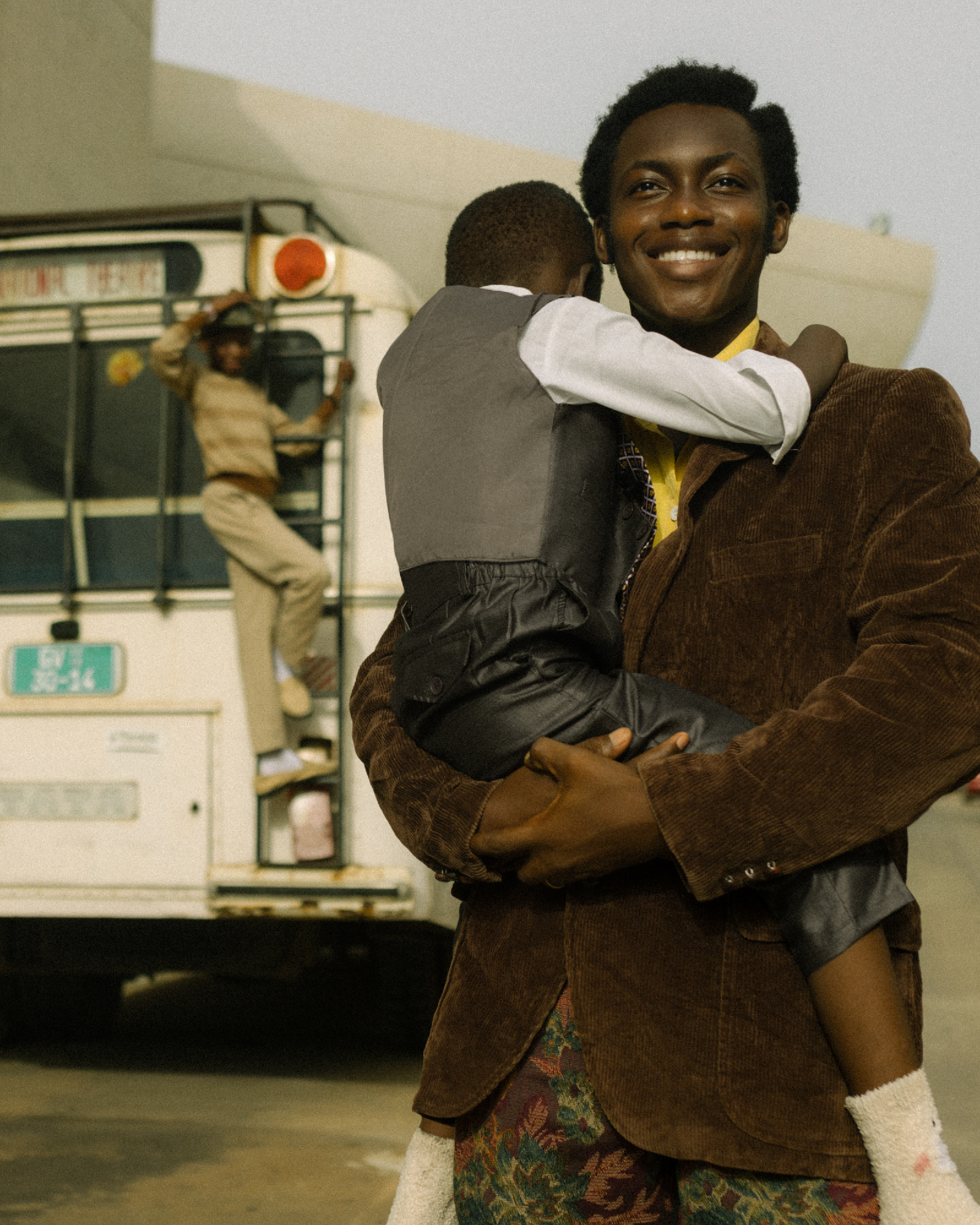
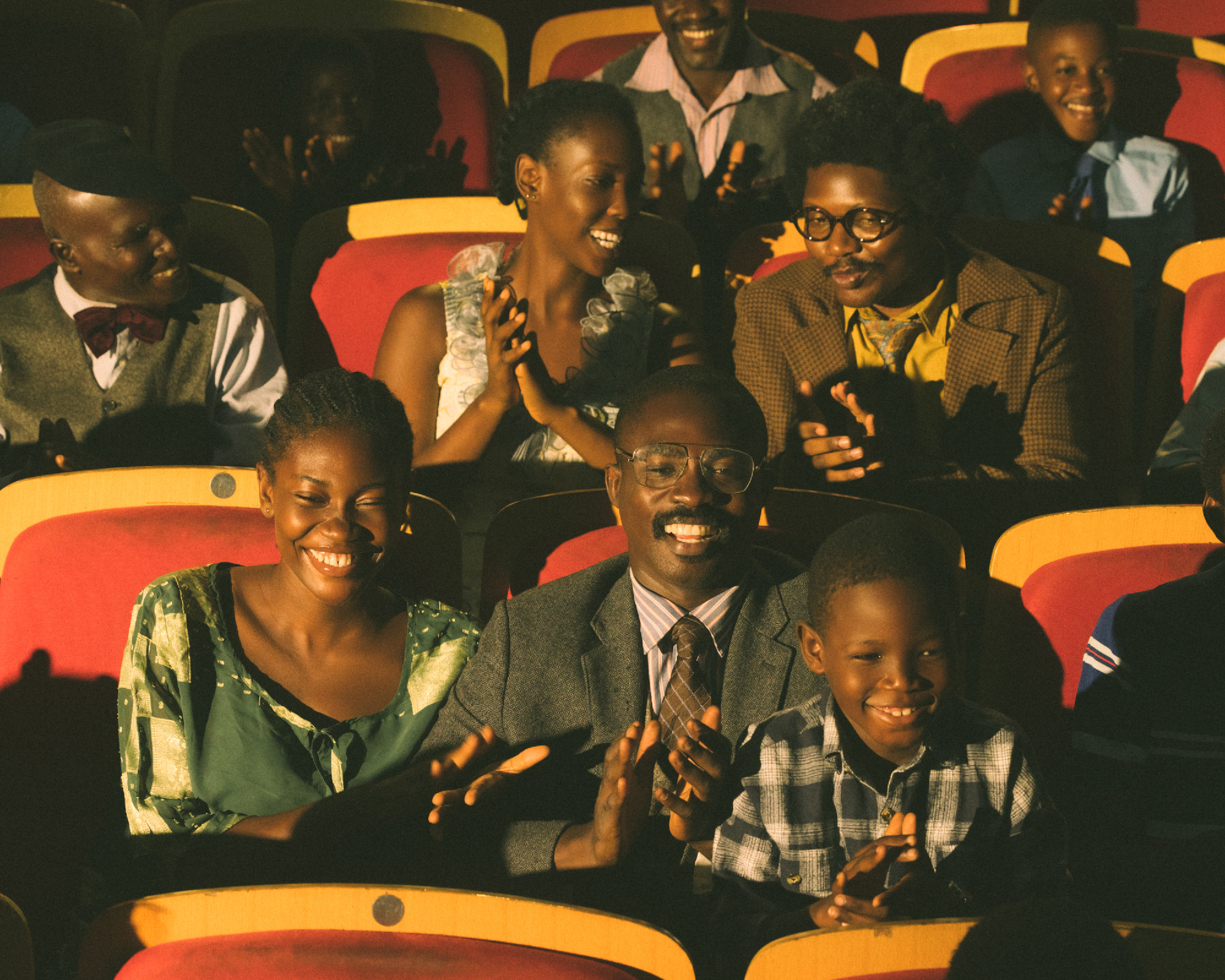
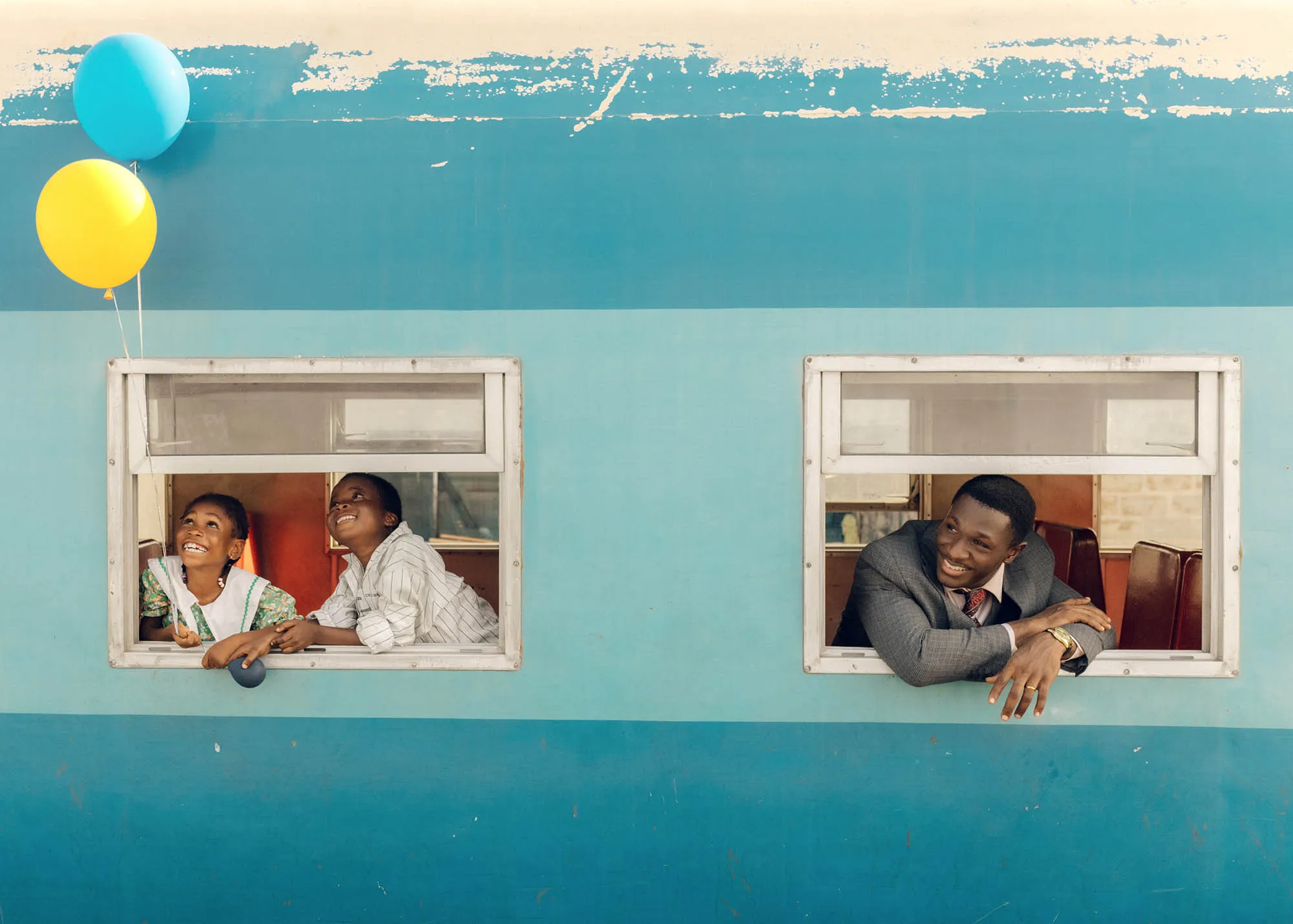
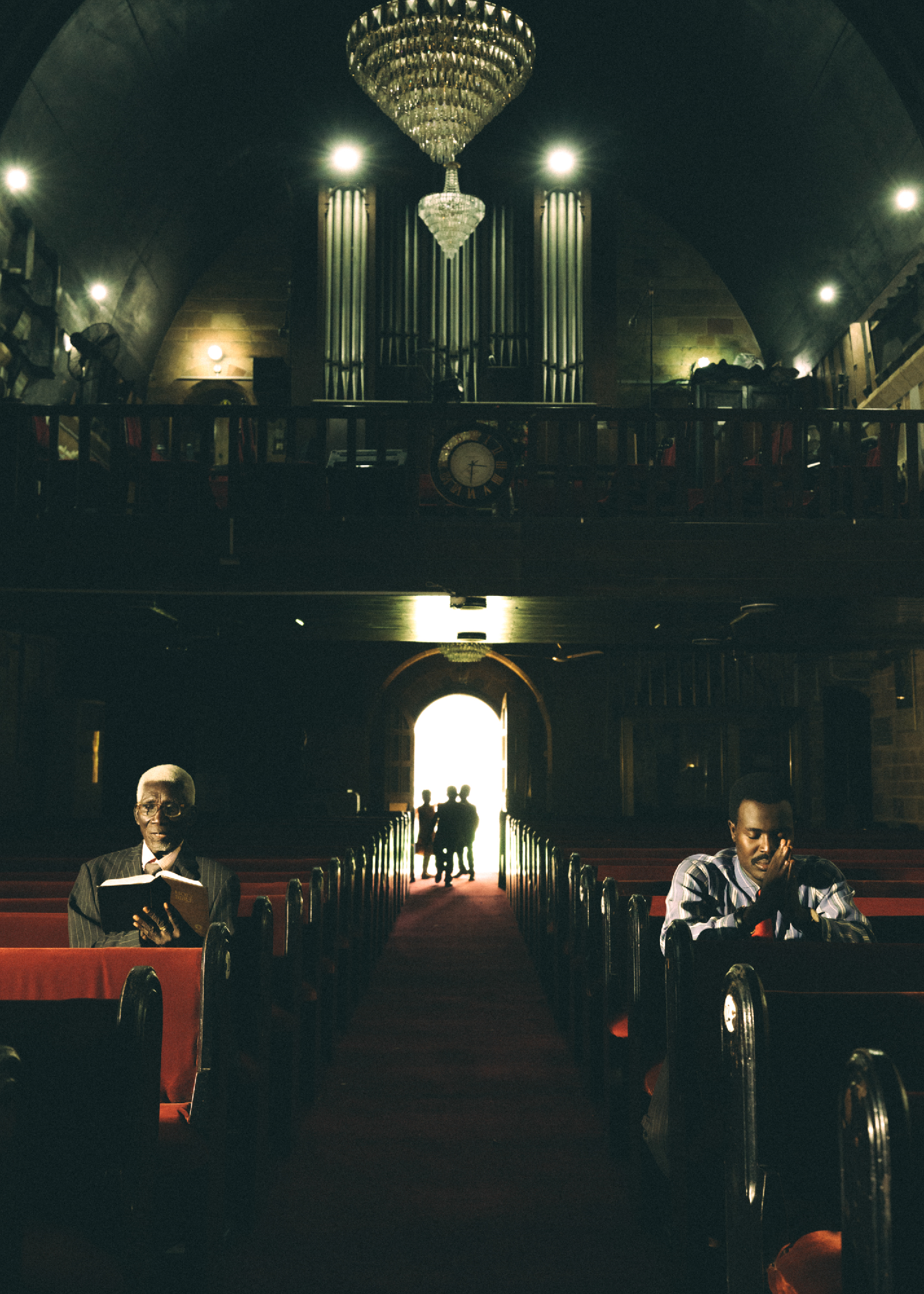
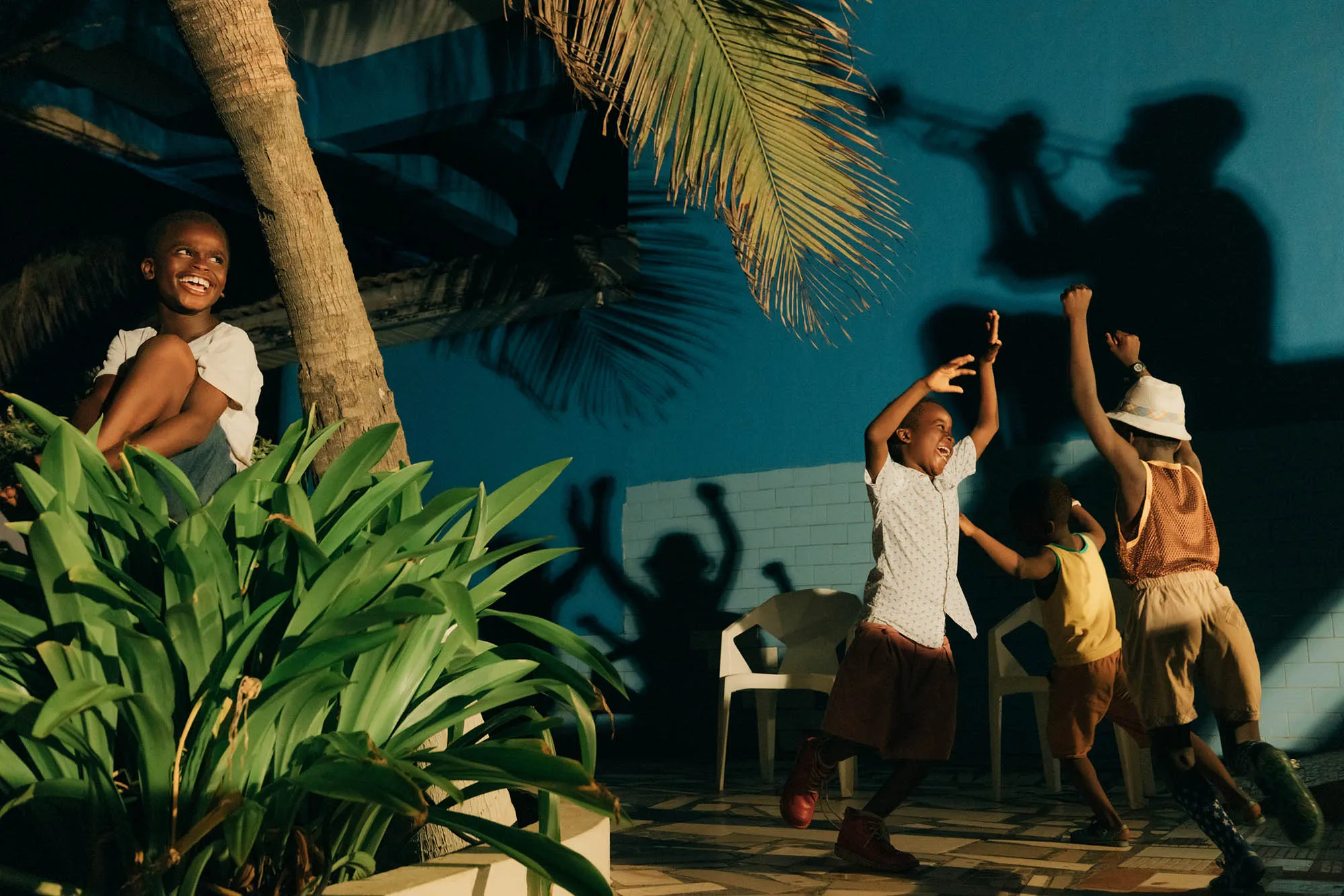
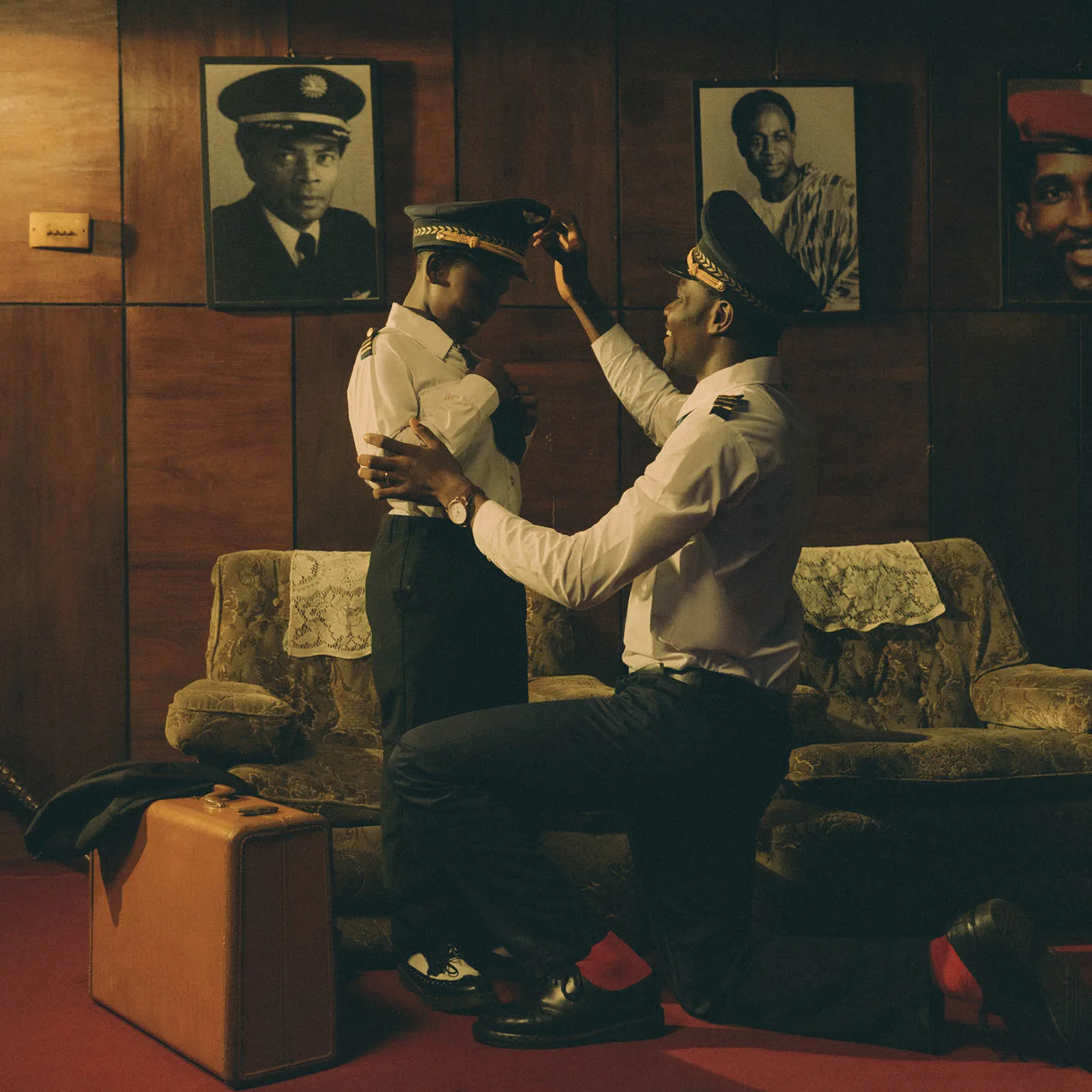
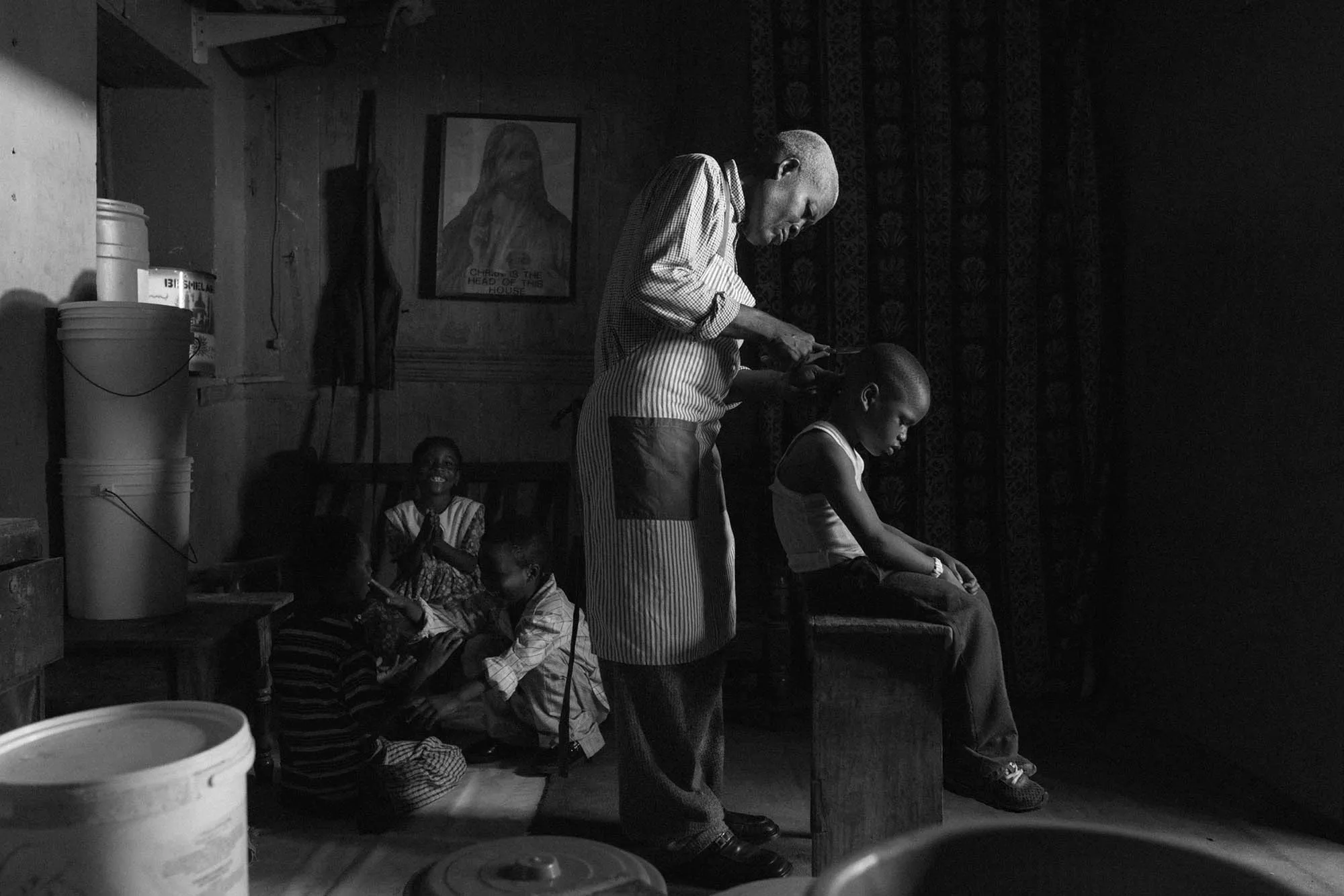
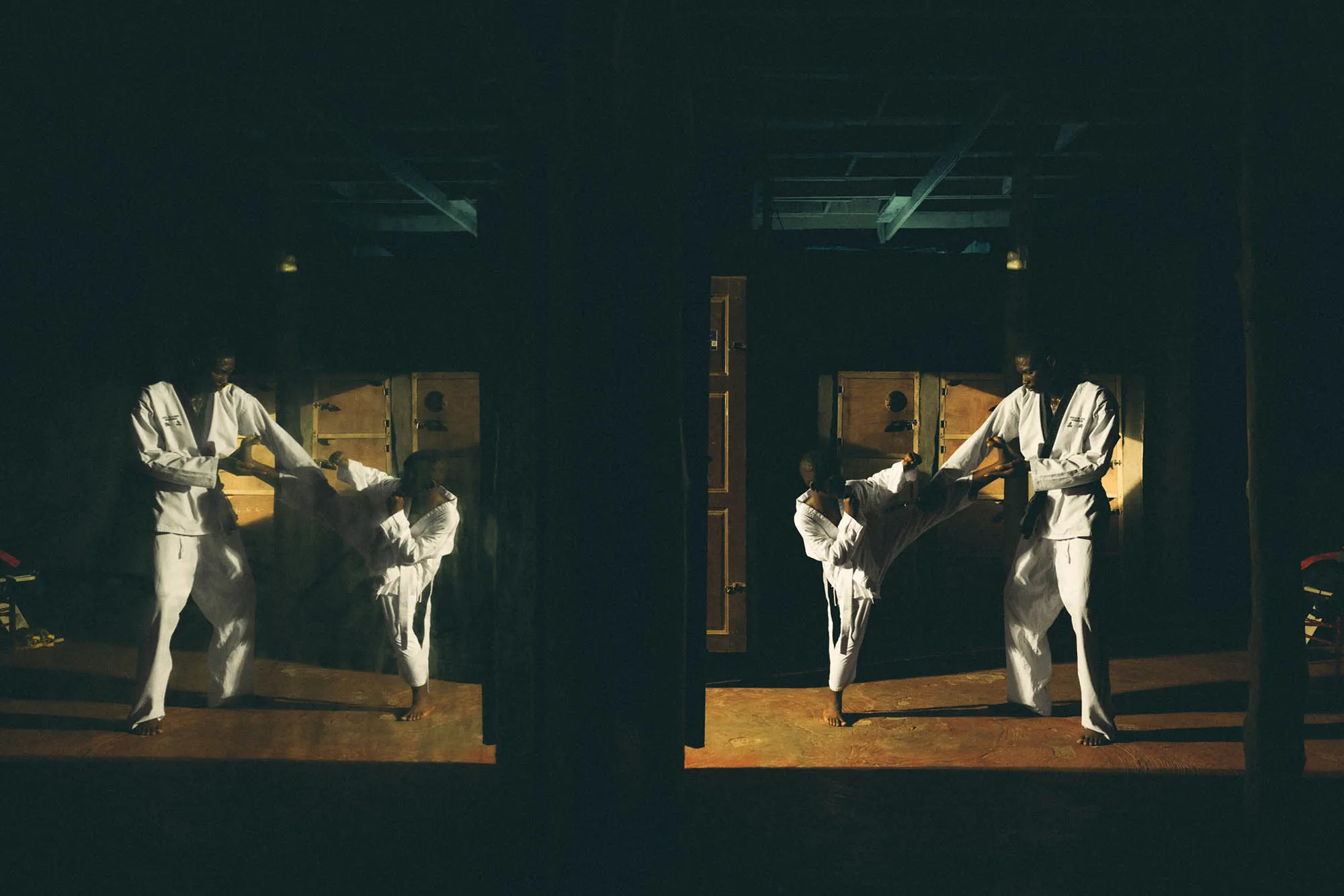
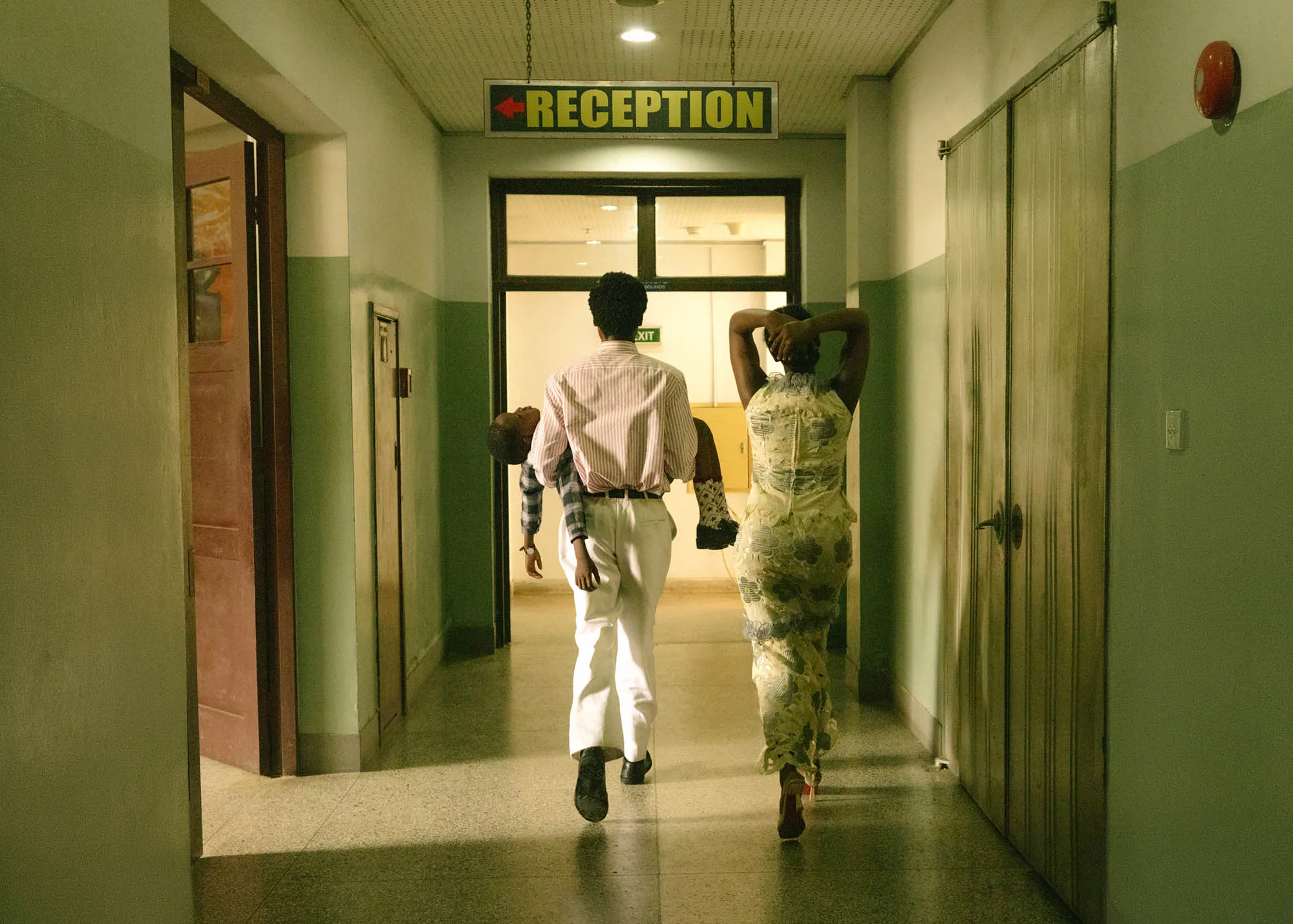
After eighteen years with my father, there are surprisingly few photographs of us together. Now that he is gone, those absences feel more pronounced. Photography, then, was not as widely accessible as it is today; family albums often recorded formal moments within studio walls, leaving little trace of the quiet intimacies of everyday life. Hero, Father, Friend emerges from this gap. Conceived as an imagined biopic, the series reflects on Black fatherhood, memory, and the limits of the archive. Through photography, I attempt to materialize moments that were never documented−and in some cases, never lived−while giving form to the plans and futures my father and I did not reach together. The work expands beyond a single paternal figure to acknowledge the broader constellation of Black fatherhood and sonship that often goes unrecorded. Uncles, pastors, grandparents, and older cousins−figures who stepped into spaces of guidance, care, and presence−shape this narrative. Moments at the beach, piano lessons, and afternoons spent playing football become acts of inheritance, filling emotional voids left by absence. At its core, the series asserts Black fatherhood as central to the Black family portrait. Rather than framing it through loss or burden, the work reimagines fatherhood as an evolving practice−one rooted in love, legacy, and continuity across generations, extending beyond time, bloodlines, and the visible frame.
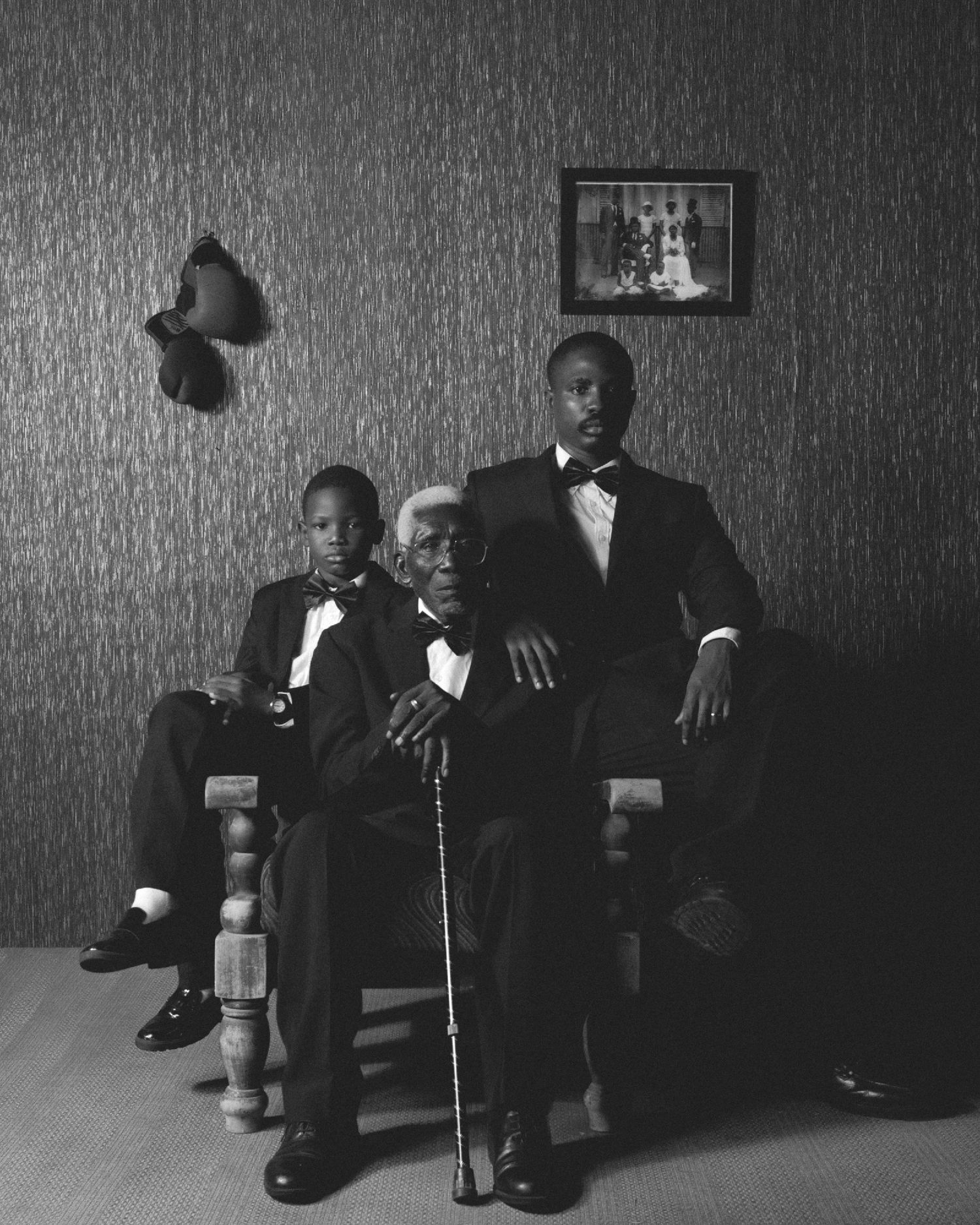
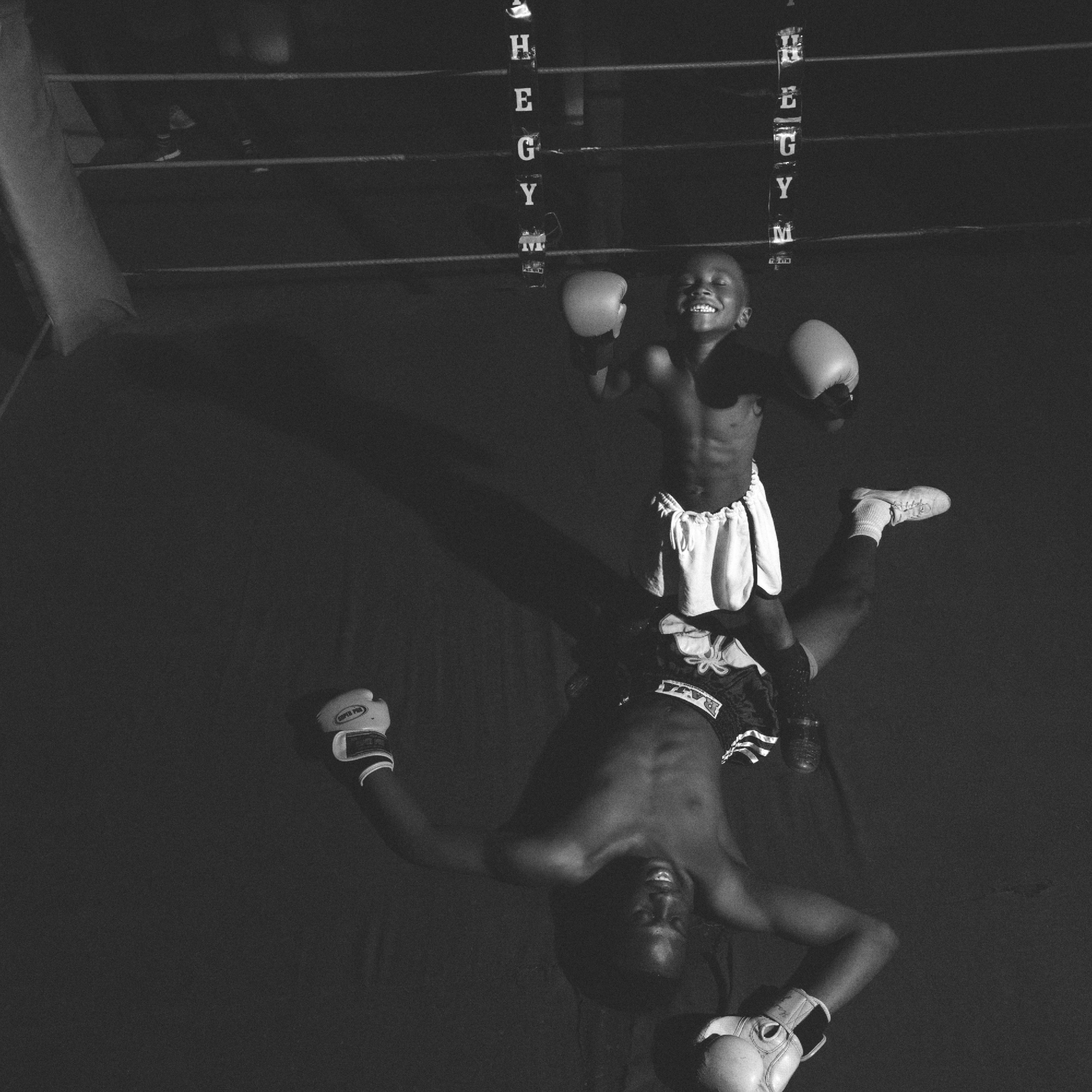
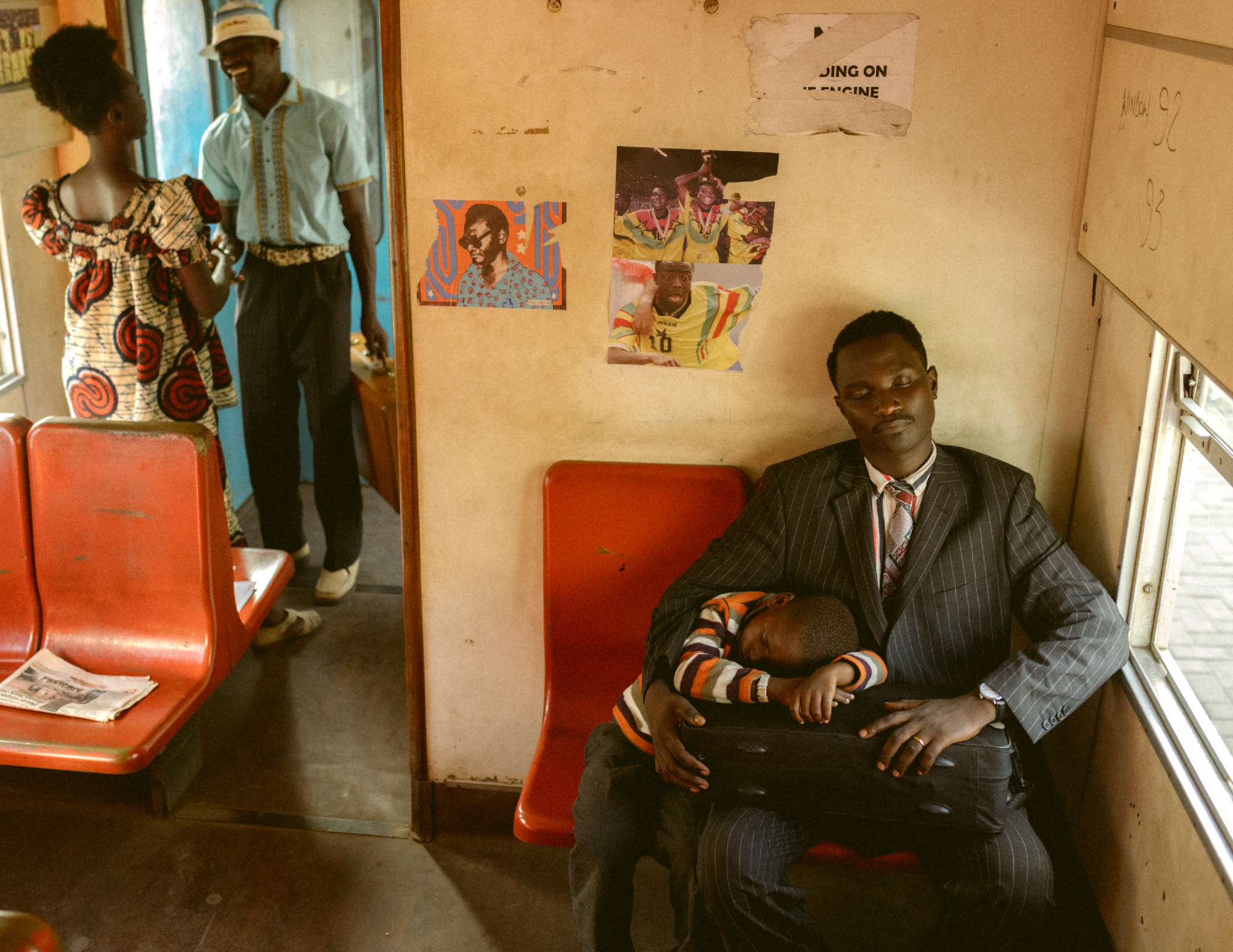
"Hero, Father, Friend reimagines my late father’s absence, blending memories and wishes into a photographic commentary on Black fatherhood. Exploring love, legacy, & the mundane, it reshapes fatherhood as a gift, celebrating the care that shaped my life.''
Idun-Tawiah’s work has been recognized with the Getxophoto Festival Award, the Fotofestiwal Award, and Deloitte’s 2025 Photo Grant. It has since been exhibited internationally, including at the Lianzhou Foto Festival in China and the Milan Triennale, where it was on view from November 27, 2025, to January 25, 2026.
All images courtesy of the photographer Carlos Idun-Tawiah.
Carlos Idun-Tawiah’s fictional portrayal of Black fatherhood is a deeply personal meditation in his new body of work
Based in Accra, Carlos Idun-Tawiah works at the intersection of archival photography and staged image-making, constructing narratives that reframe the everyday as a site of quiet significance. His practice draws on family histories, found images, and collective memory to examine how Black life is remembered, imagined, and re-presented. Moving between past and present, his photographs resist sentimentality, instead offering measured reflections on intimacy, belief, and generational inheritance. Idun-Tawiah has received sustained international attention, appearing among the 95 contributors in MANJU Journal’s debut anthology, ''VOICES – Ghana’s Artists in Their Own Words'' published in 2023, with his work featured in The New York Times, Le Figaro, Dazed, Harper’s Bazaar, AD, and El País. His latest series extends this inquiry, refining a visual language that is deliberate, restrained, and rooted in historical consciousness. In Hero, Father, Friend, Idun-Tawiah constructs an imagined biopic of his father, drawing on moments he wished he had lived to preserve his memory. The series foregrounds photography’s capacity to stand in for absence, functioning as a form of remembrance in which images become talismans−holding, protecting, and returning us to moments shaped as much by longing as by experience.
After eighteen years with my father, there are surprisingly few photographs of us together. Now that he is gone, those absences feel more pronounced. Photography, then, was not as widely accessible as it is today; family albums often recorded formal moments within studio walls, leaving little trace of the quiet intimacies of everyday life. Hero, Father, Friend emerges from this gap. Conceived as an imagined biopic, the series reflects on Black fatherhood, memory, and the limits of the archive. Through photography, I attempt to materialize moments that were never documented−and in some cases, never lived−while giving form to the plans and futures my father and I did not reach together. The work expands beyond a single paternal figure to acknowledge the broader constellation of Black fatherhood and sonship that often goes unrecorded. Uncles, pastors, grandparents, and older cousins−figures who stepped into spaces of guidance, care, and presence−shape this narrative. Moments at the beach, piano lessons, and afternoons spent playing football become acts of inheritance, filling emotional voids left by absence. At its core, the series asserts Black fatherhood as central to the Black family portrait. Rather than framing it through loss or burden, the work reimagines fatherhood as an evolving practice−one rooted in love, legacy, and continuity across generations, extending beyond time, bloodlines, and the visible frame.
"Hero, Father, Friend reimagines my late father’s absence, blending memories and wishes into a photographic commentary on Black fatherhood. Exploring love, legacy, & the mundane, it reshapes fatherhood as a gift, celebrating the care that shaped my life.''
Idun-Tawiah’s work has been recognized with the Getxophoto Festival Award, the Fotofestiwal Award, and Deloitte’s 2025 Photo Grant. It has since been exhibited internationally, including at the Lianzhou Foto Festival in China and the Milan Triennale, where it was on view from November 27, 2025, to January 25, 2026.
All images courtesy of the photographer Carlos Idun-Tawiah.