LE SOLEIL
This new photobook is an ode to the 'Teranga' spirit of Senegal
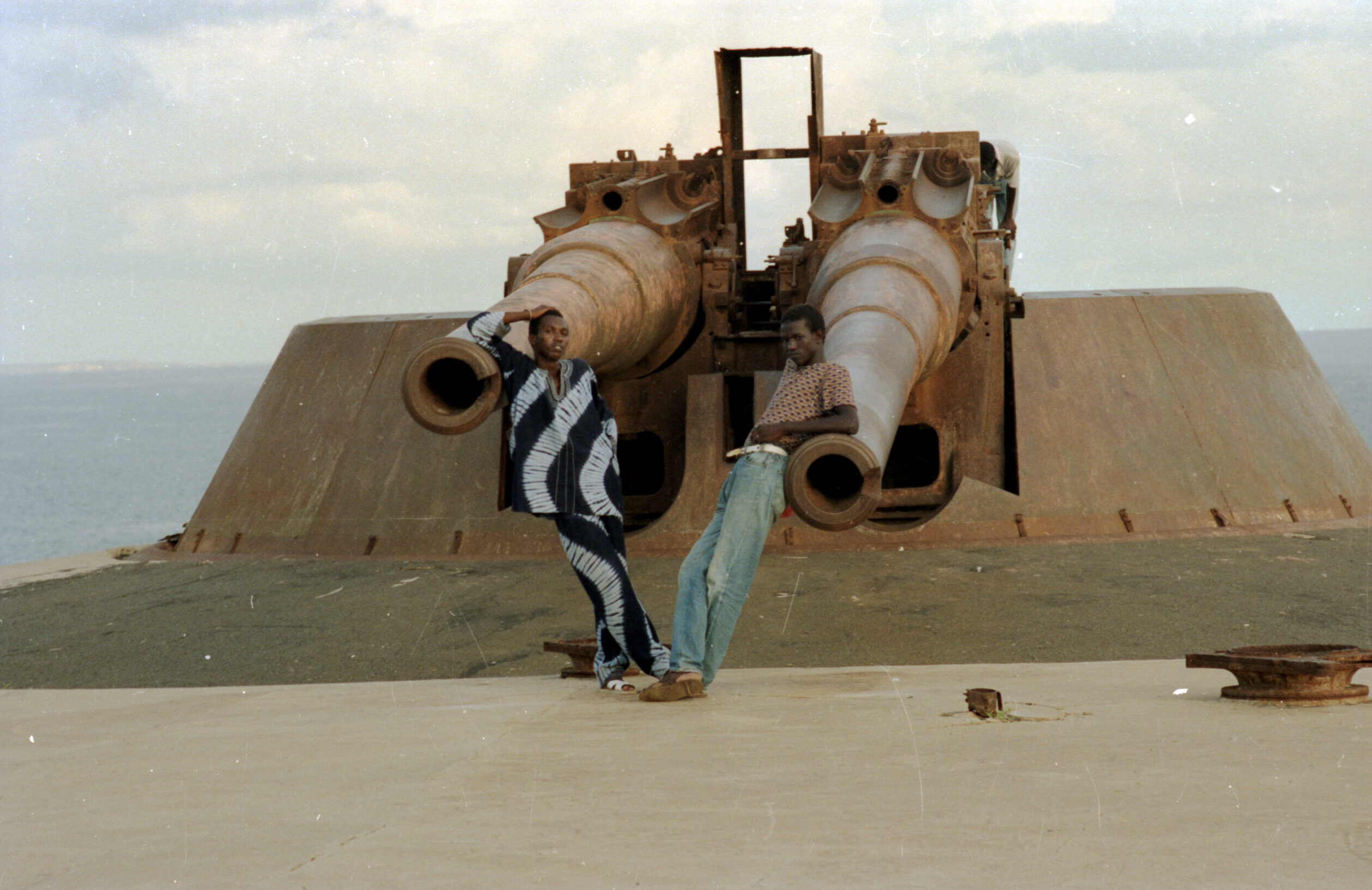
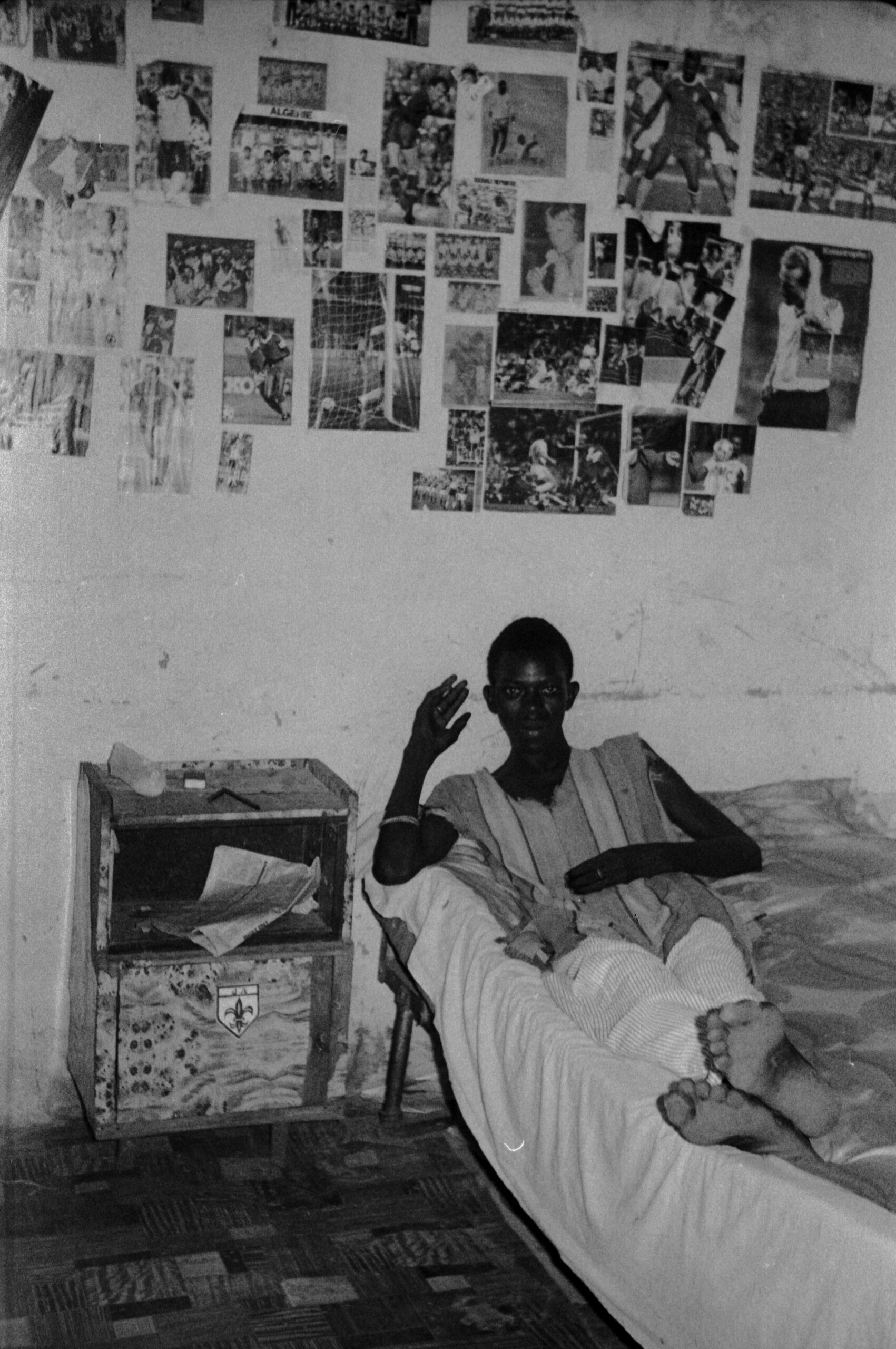
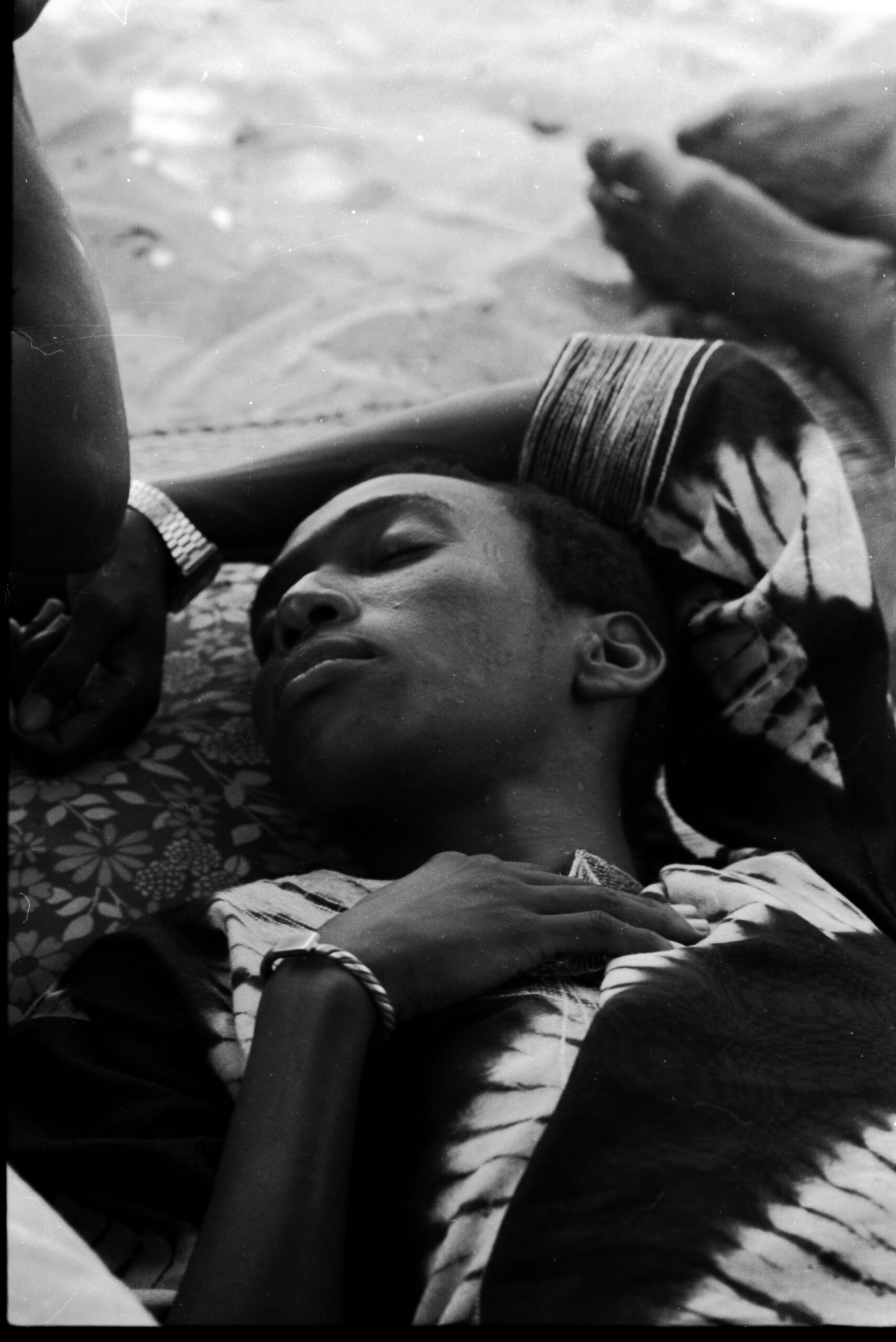
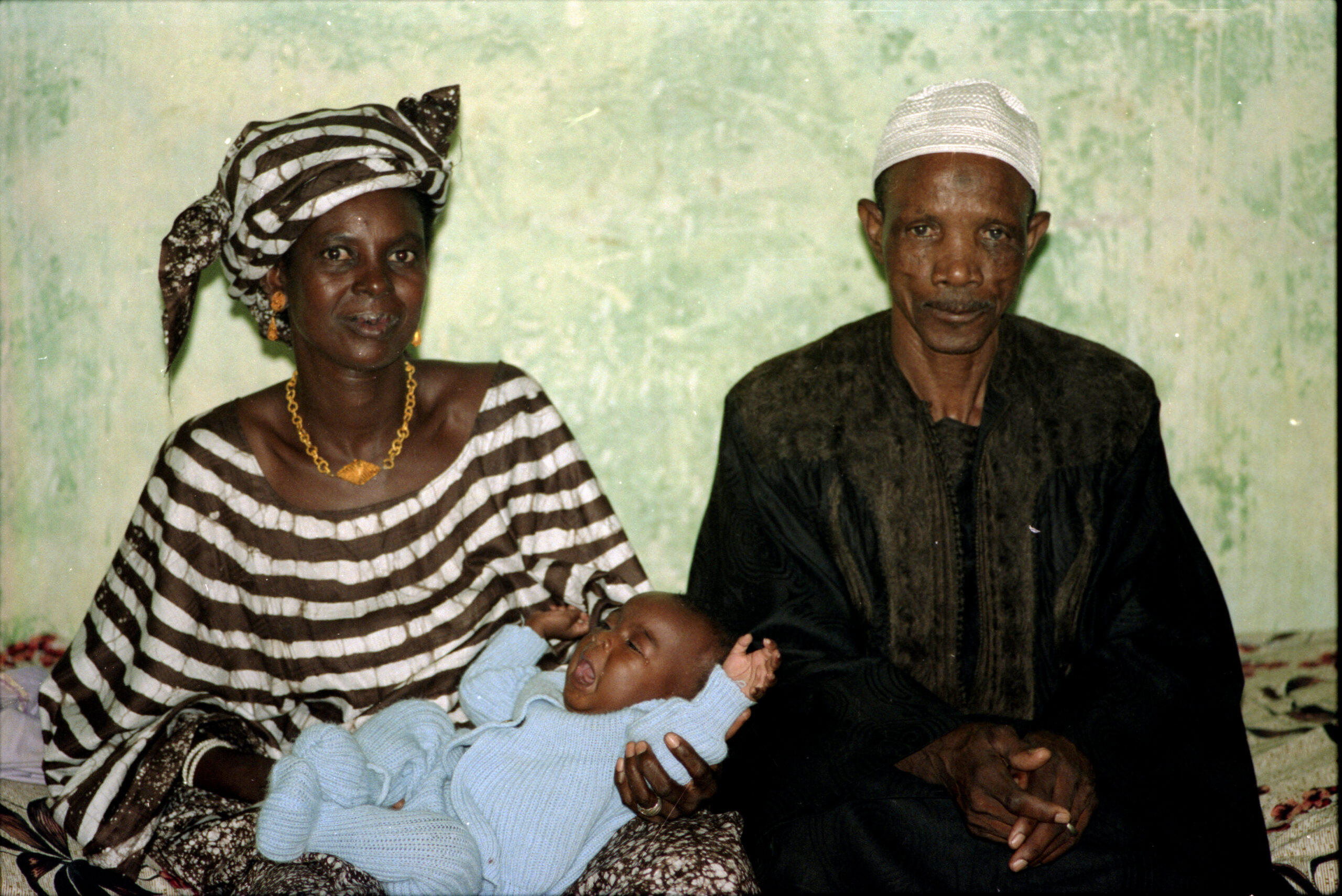
Ilse Cardoen first met her pen pal, Elhadji Sall, in the summer of 1986 during her first trip to Senegal. Their correspondence began after Sall placed a call for pen pals in Jeune Afrique magazine, and over time they exchanged letters describing two very different worlds−his life as a student on the outskirts of Dakar, and hers as a farmer’s daughter growing up in a Belgian village. When Cardoen finally arrived in Senegal, she was welcomed into Sall’s family home in Quartier Kebe Der, Guédiawaye. The generosity of the community left a lasting impression: neighbours collectively looked after her, folding her into daily life with a warmth that extended far beyond her host family. During her month-long stay, Cardoen visited Lac Rose, Gorée Island, and Kaolack, but it was the everyday gestures of care within the household and neighbourhood that shaped her most enduring memories. The idea for Le Soleil as a photobook emerged decades later, when Cardoen revisited her photographs of Senegal with her son, Kwabena Sekyi Appiah-Nti. He shared the images with designer Mirelle, who had previously collaborated on his own photobook about Ghana. Drawn to the emotional weight of the archive, Mirelle proposed working with semi-analog riso printing, a technique chosen to preserve the images’ colour, texture, and sense of immediacy−echoing the vividness of the memories they carry.

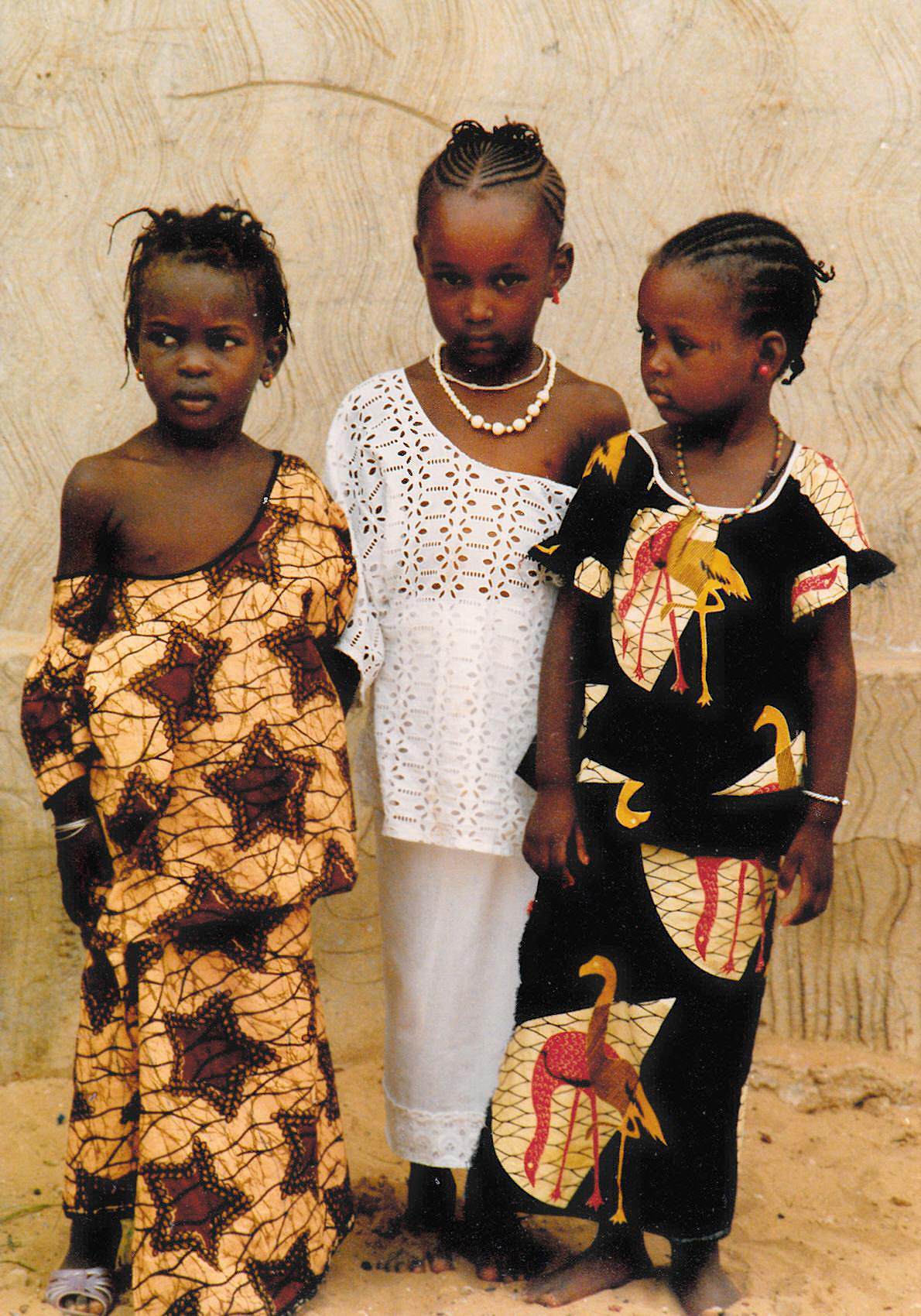
Le Soleil developed as a collaborative project between Cardoen and Elhadji Sall, with Sall granting permission for photographs of himself and his family to be included. The two remained in contact throughout the book’s development until June 2022, after which communication ceased. Cardoen later learned that Sall had passed away in July 2022. His death lent the project a deeper sense of purpose, transforming it into a tribute to Sall, his family, his close friends Djiby, Gora, Mamadou, Alioune, and the wider community of Quartier Kebe Der in Guédiawaye. In Senegal, teranga−often translated as hospitality−is a deeply held cultural value. Le Soleil stands as an expression of that spirit. More than a personal archive, the book reflects a shared history shaped by generosity, care, and human connection. The photographs do not simply document a visit; they honour a community that opened its doors, its lives, and its hearts−and whose presence continues to resonate decades later.
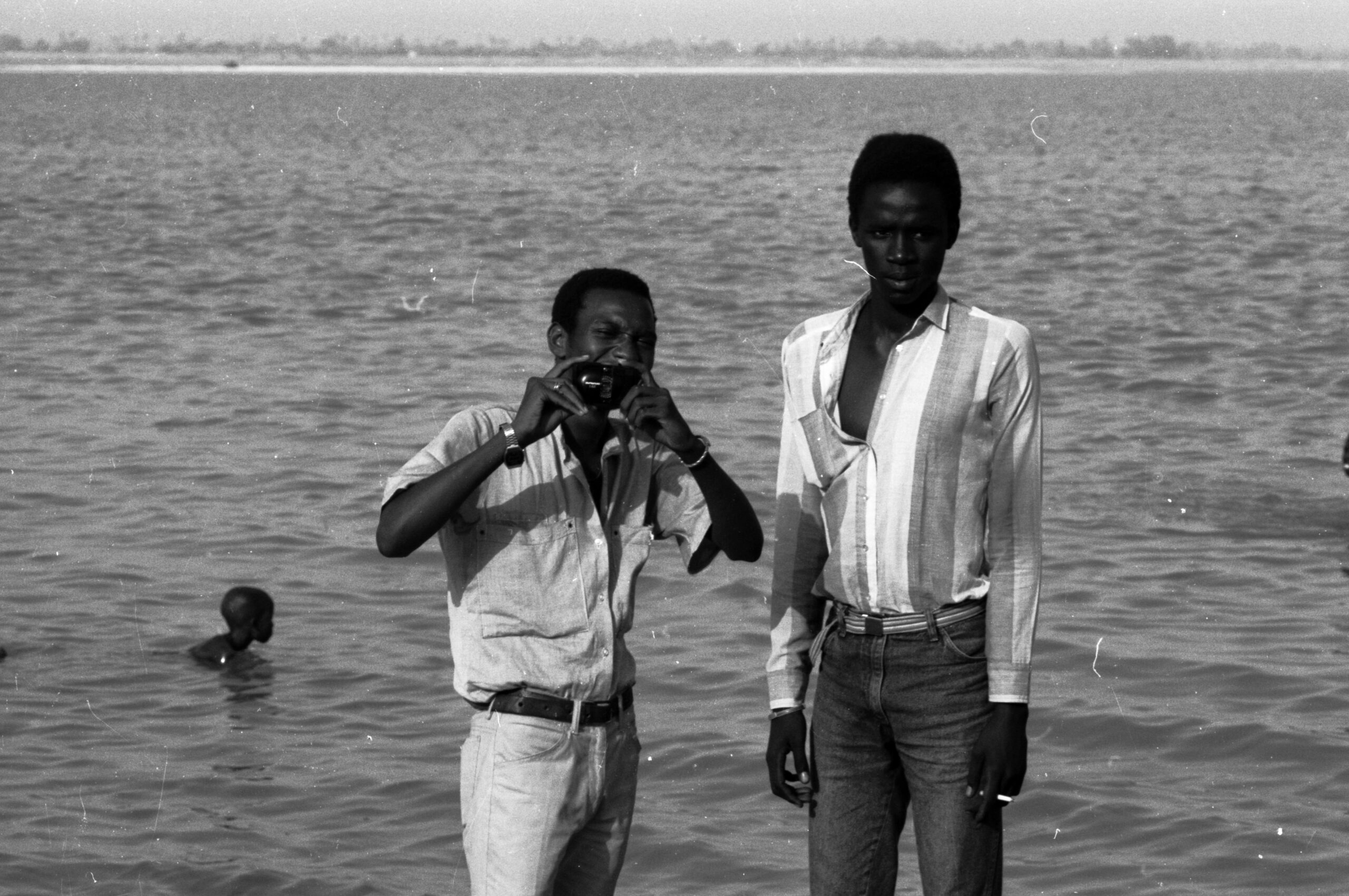
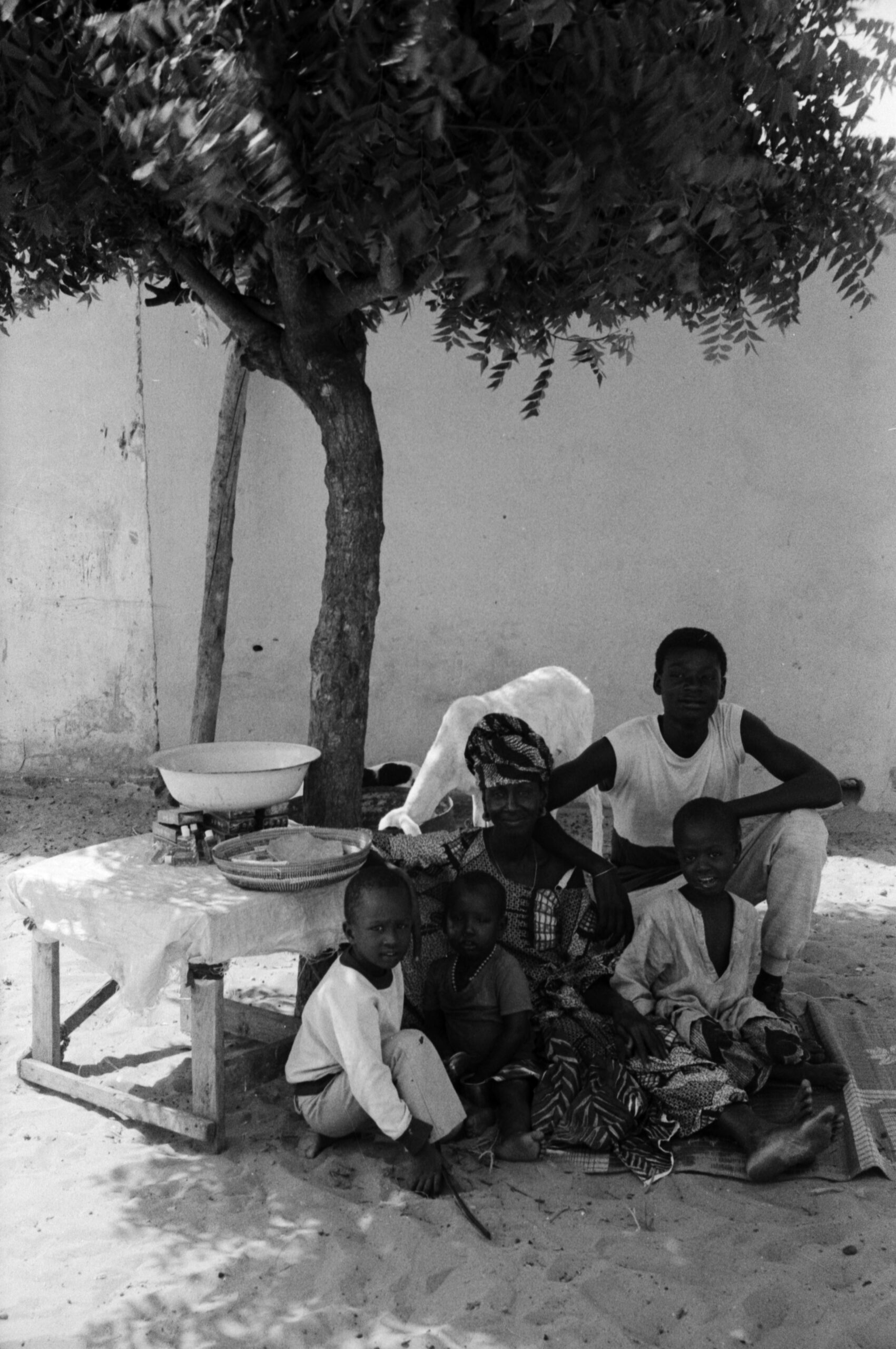
''Ilse and her son Kwabena asked me to create a book from her personal archive. Delighted to work with this beautiful archive, I chose to use the semi-analog Riso printing technique to recapture the vivid memories present in the photographs. We sadly found out that Elhadji Sall passed away in July 2022. This book is a tribute to him and everyone who gave Ilse Cardoen the 'Teranga' of Senegal.'' − Mirella van Tuder, commissioned to lead the project’s editorial, design, and art direction.


This new photobook is an ode to the 'Teranga' spirit of Senegal
Ilse Cardoen first met her pen pal, Elhadji Sall, in the summer of 1986 during her first trip to Senegal. Their correspondence began after Sall placed a call for pen pals in Jeune Afrique magazine, and over time they exchanged letters describing two very different worlds−his life as a student on the outskirts of Dakar, and hers as a farmer’s daughter growing up in a Belgian village. When Cardoen finally arrived in Senegal, she was welcomed into Sall’s family home in Quartier Kebe Der, Guédiawaye. The generosity of the community left a lasting impression: neighbours collectively looked after her, folding her into daily life with a warmth that extended far beyond her host family. During her month-long stay, Cardoen visited Lac Rose, Gorée Island, and Kaolack, but it was the everyday gestures of care within the household and neighbourhood that shaped her most enduring memories. The idea for Le Soleil as a photobook emerged decades later, when Cardoen revisited her photographs of Senegal with her son, Kwabena Sekyi Appiah-Nti. He shared the images with designer Mirelle, who had previously collaborated on his own photobook about Ghana. Drawn to the emotional weight of the archive, Mirelle proposed working with semi-analog riso printing, a technique chosen to preserve the images’ colour, texture, and sense of immediacy−echoing the vividness of the memories they carry.
Le Soleil developed as a collaborative project between Cardoen and Elhadji Sall, with Sall granting permission for photographs of himself and his family to be included. The two remained in contact throughout the book’s development until June 2022, after which communication ceased. Cardoen later learned that Sall had passed away in July 2022. His death lent the project a deeper sense of purpose, transforming it into a tribute to Sall, his family, his close friends Djiby, Gora, Mamadou, Alioune, and the wider community of Quartier Kebe Der in Guédiawaye. In Senegal, teranga−often translated as hospitality−is a deeply held cultural value. Le Soleil stands as an expression of that spirit. More than a personal archive, the book reflects a shared history shaped by generosity, care, and human connection. The photographs do not simply document a visit; they honour a community that opened its doors, its lives, and its hearts−and whose presence continues to resonate decades later.
''Ilse and her son Kwabena asked me to create a book from her personal archive. Delighted to work with this beautiful archive, I chose to use the semi-analog Riso printing technique to recapture the vivid memories present in the photographs. We sadly found out that Elhadji Sall passed away in July 2022. This book is a tribute to him and everyone who gave Ilse Cardoen the 'Teranga' of Senegal.'' − Mirella van Tuder, commissioned to lead the project’s editorial, design, and art direction.