MORE TRUE THAN FACT
A retrospective of Djibril Drame at Mehari Sequar Gallery foregrounds compelling dialogues on African modernities and lived experience
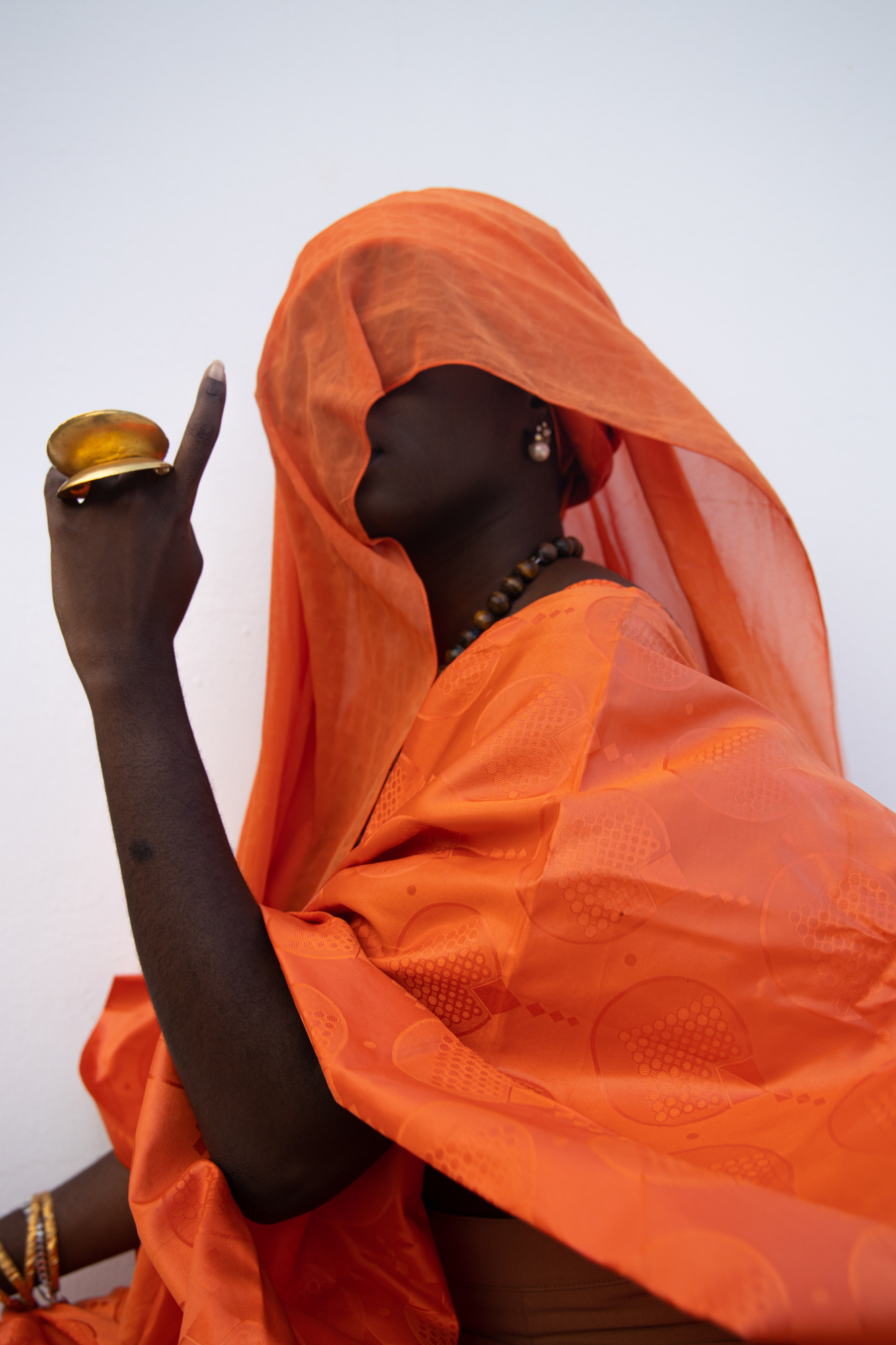
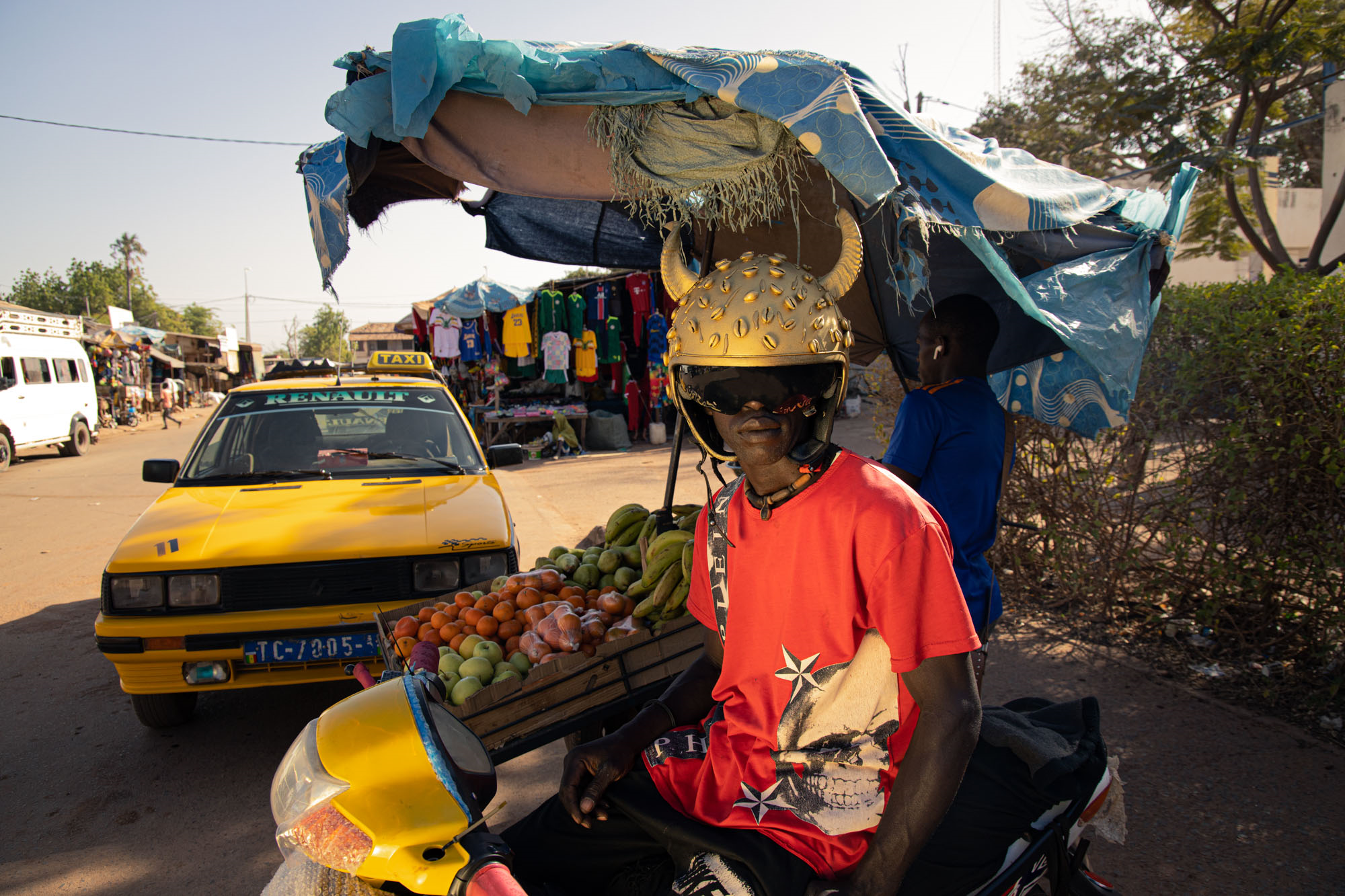
Having begun experimenting with graffiti at the age of nine and turning to photography at fifteen, Djibril Drame’s multidisciplinary practice is deeply rooted in the spiritual ethos of the Baye Fall Sufi brotherhood. His work seamlessly intertwines poetic reflection with politically engaged explorations of cultural memory, anchored in contemporary African aesthetics. In his early twenties, Drame became an active participant in Dakar’s graffiti collectives, where he developed the most extensive archive of Senegalese street art through photography and interviews. This formative engagement shaped a practice attuned to urban space, collective authorship, and visual history, principles that continue to guide his work across mediums. Drame’s practice has since expanded to include fine art photography, video, and high-profile commercial projects in fashion and corporate contexts. Across these domains, he has cultivated a distinct visual language foregrounding Black experience and excellence, migration and diaspora, spirituality, and gender identity, often realized through portraiture captured with a Hasselblad 907X & CFV 100C medium-format camera. Beyond the frame, Drame employs galleries, streets, and film as platforms to articulate messages with precision and resonance.
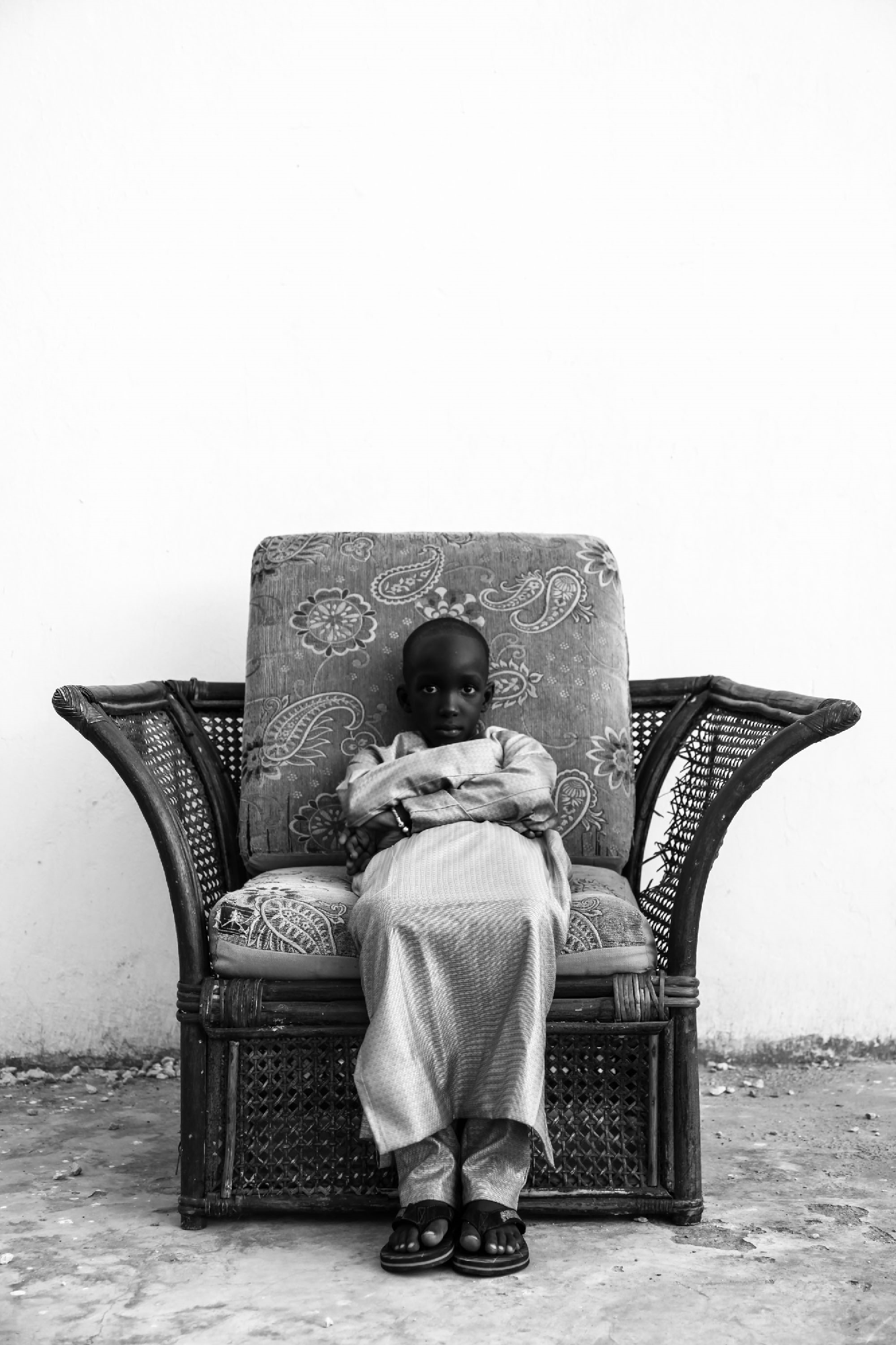
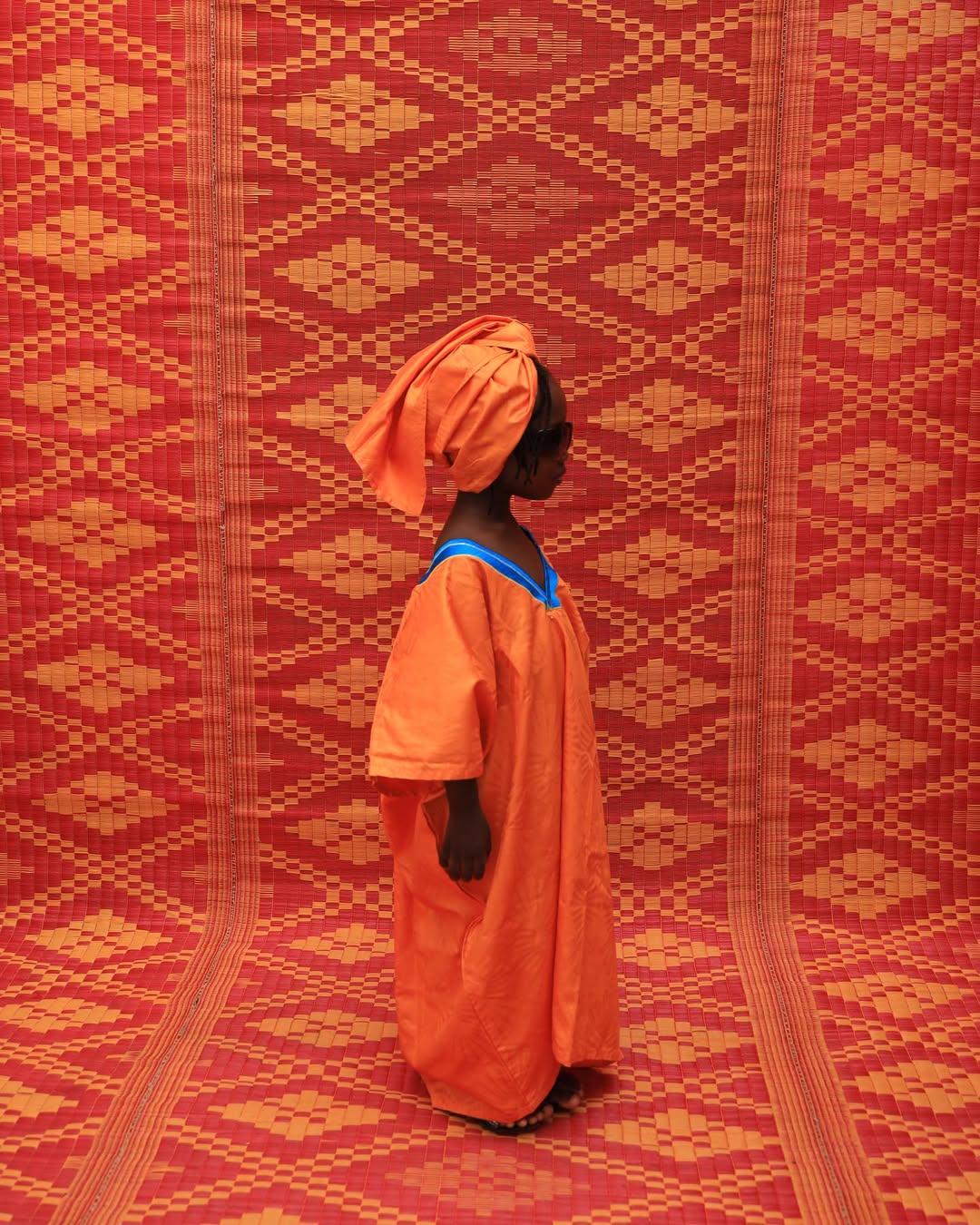
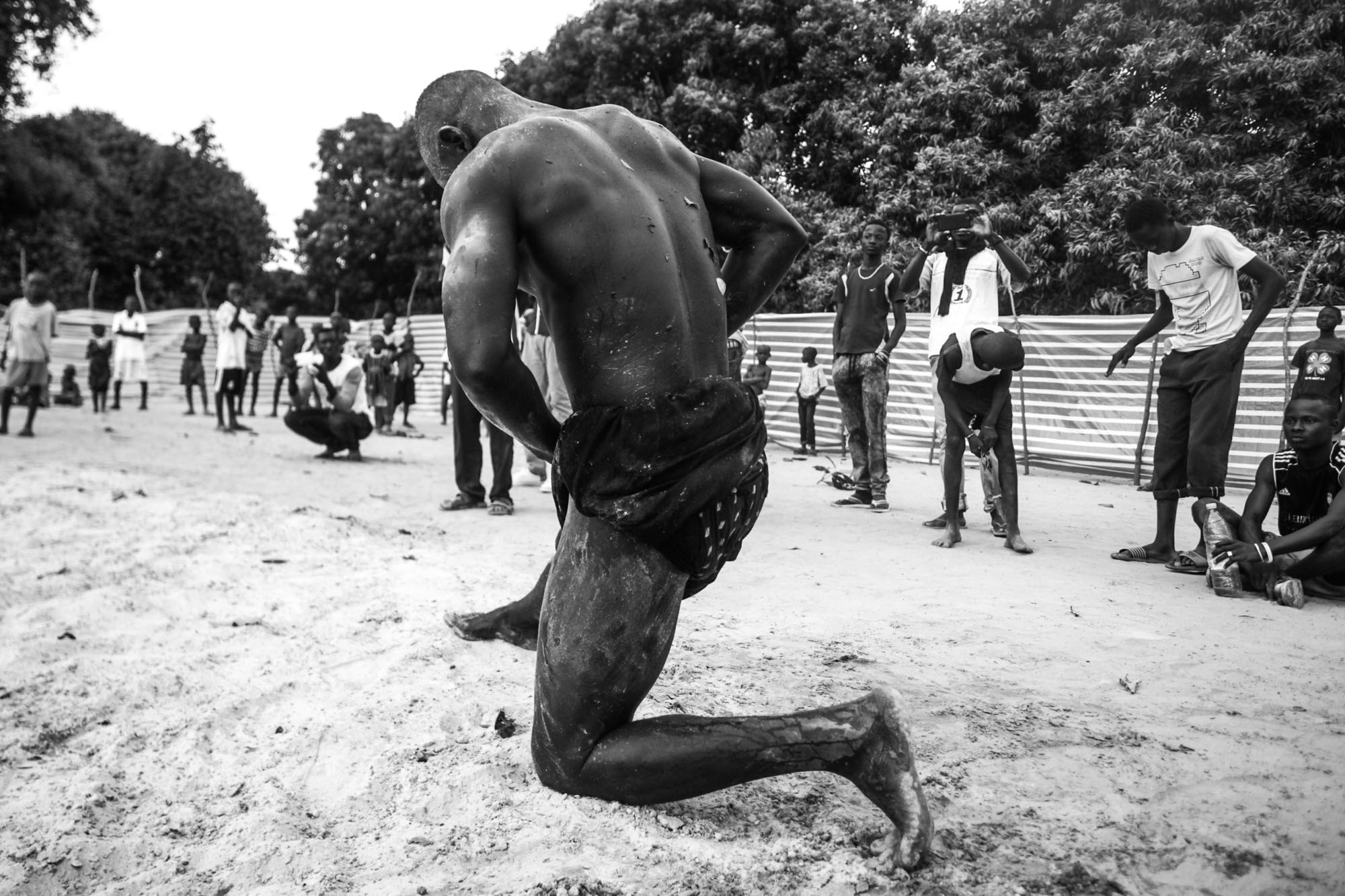
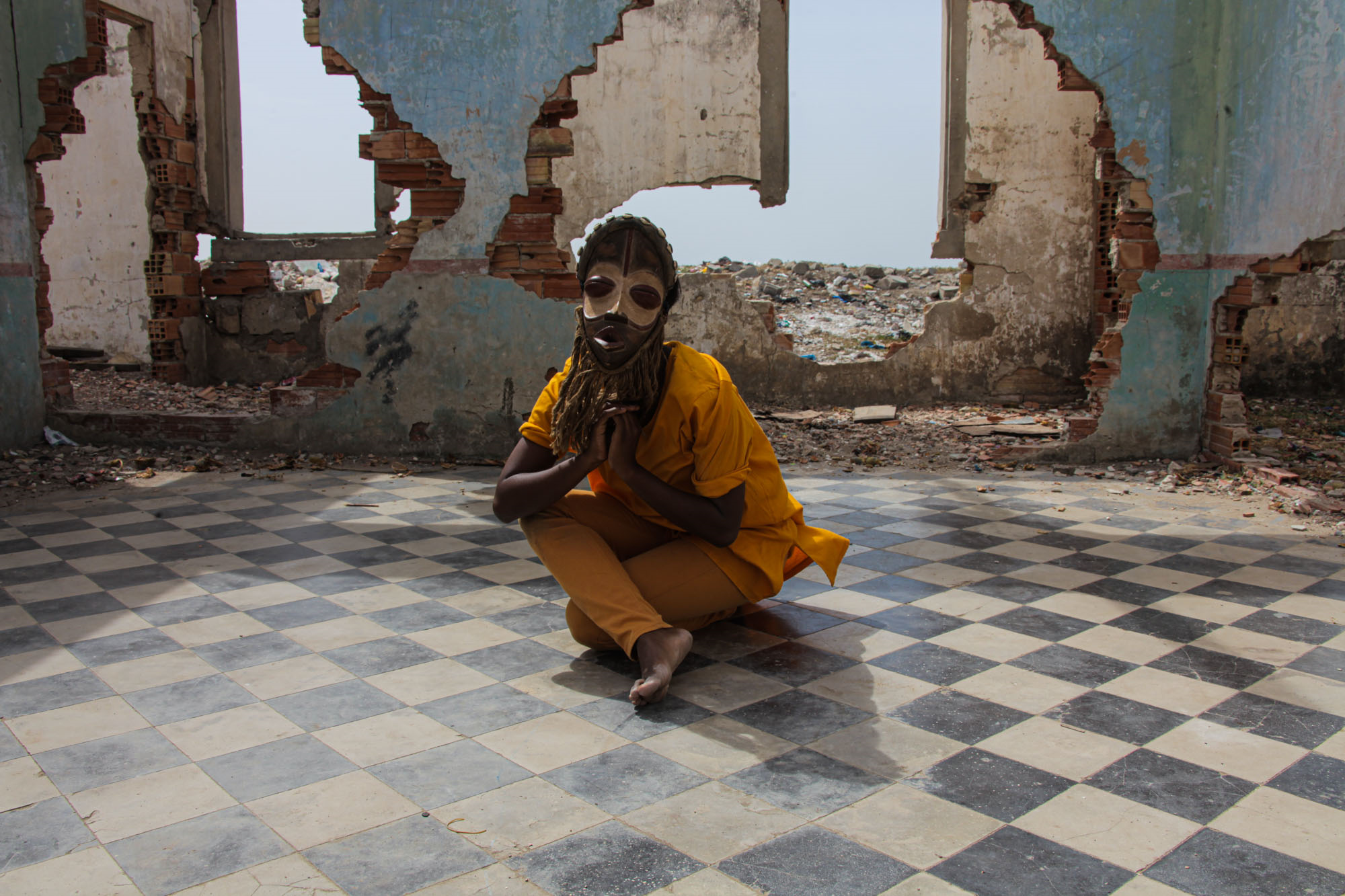
More True than Fact, his retrospective at Mehari Sequar Gallery in Washington, DC, traced over 15 years of creative exploration, offering a sweeping survey of Drame’s evolving practice. The exhibition presented intimate, imaginative portraiture that is at once meditative and socially engaged, grounded in humanity, spirituality, and the textures of Senegalese cultural life. Natural elements, everyday scenes, and local customs are meticulously positioned within each frame, functioning not merely as backdrop but as active participants in Drame’s narrative, shaping how viewers perceive memory, identity, and possibility. Exhibition curator Khaleelah I. L. Harris reflects on this approach: “Although the future we are attempting to build is merely a figment of our imaginations, not yet intelligible through our ways of knowing, the momentousness of our freedom makes every vision constructed more true than fact.” In this context, Drame’s work becomes a meditation on the tensions between imagination and reality, individual and collective histories, and the intimate and the universal. Through this retrospective, Drame positions himself not only as a chronicler of lived experience but as a visionary who uses portraiture, space, and narrative to explore broader cultural futures. Each image invites contemplation, encouraging audiences to consider how memory, tradition, and spiritual insight inform the shaping of personal and collective destinies. In doing so, the artist affirms a practice that is simultaneously personal and expansively collective, a visual testament to African modernities, the resilience of imagination, and the enduring capacity of art to articulate visions of freedom, possibility, and cultural continuity.
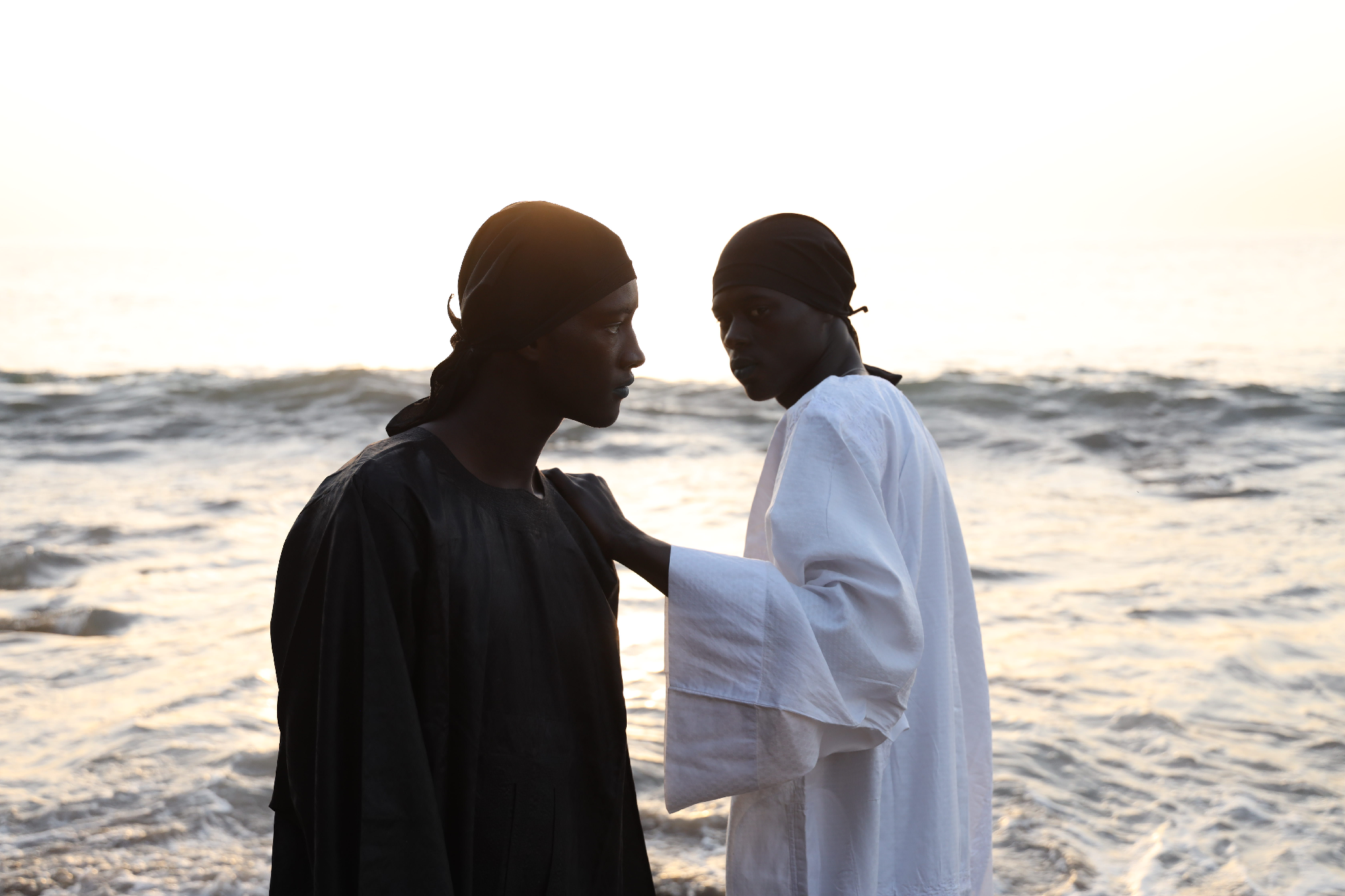
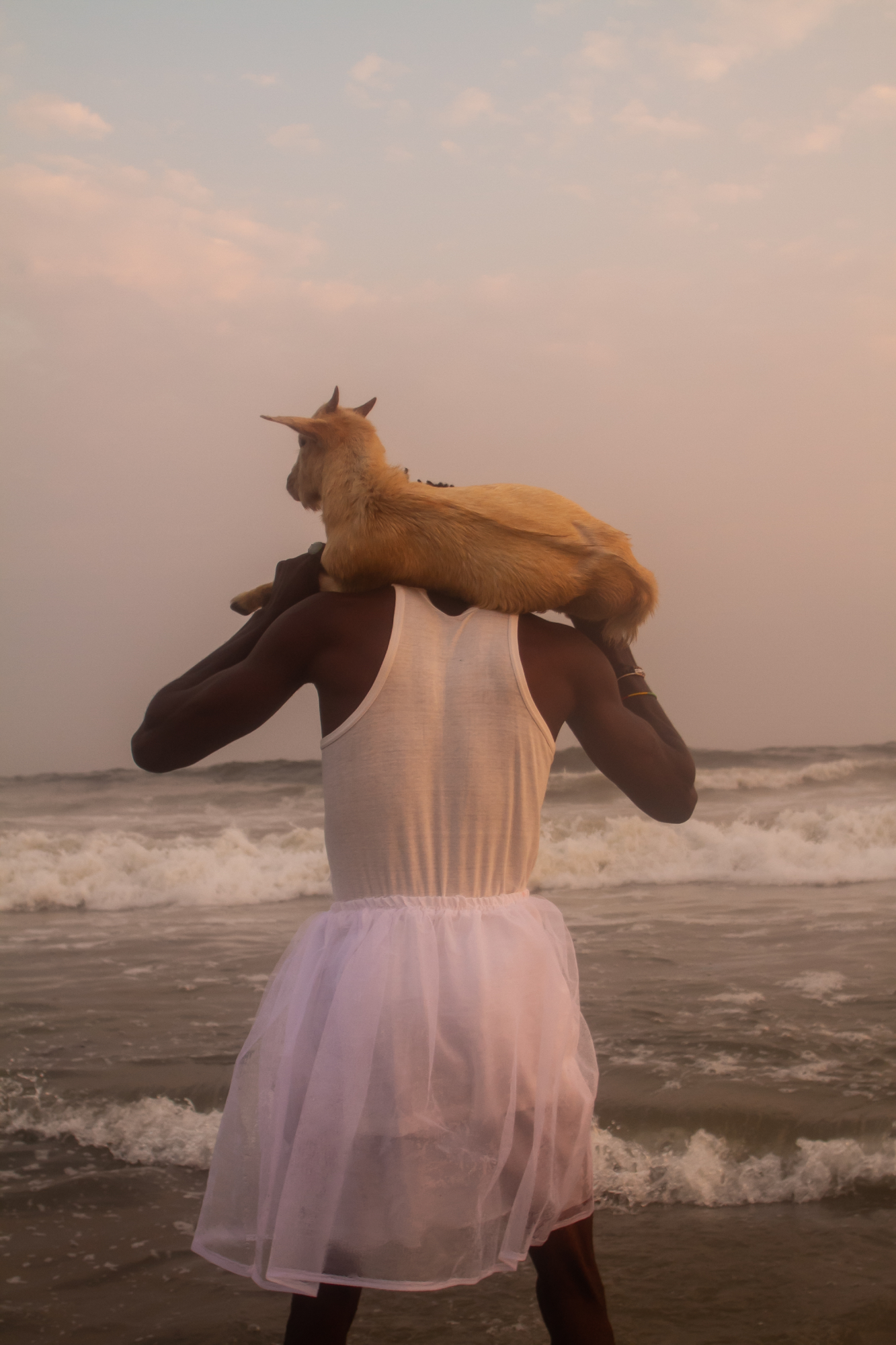
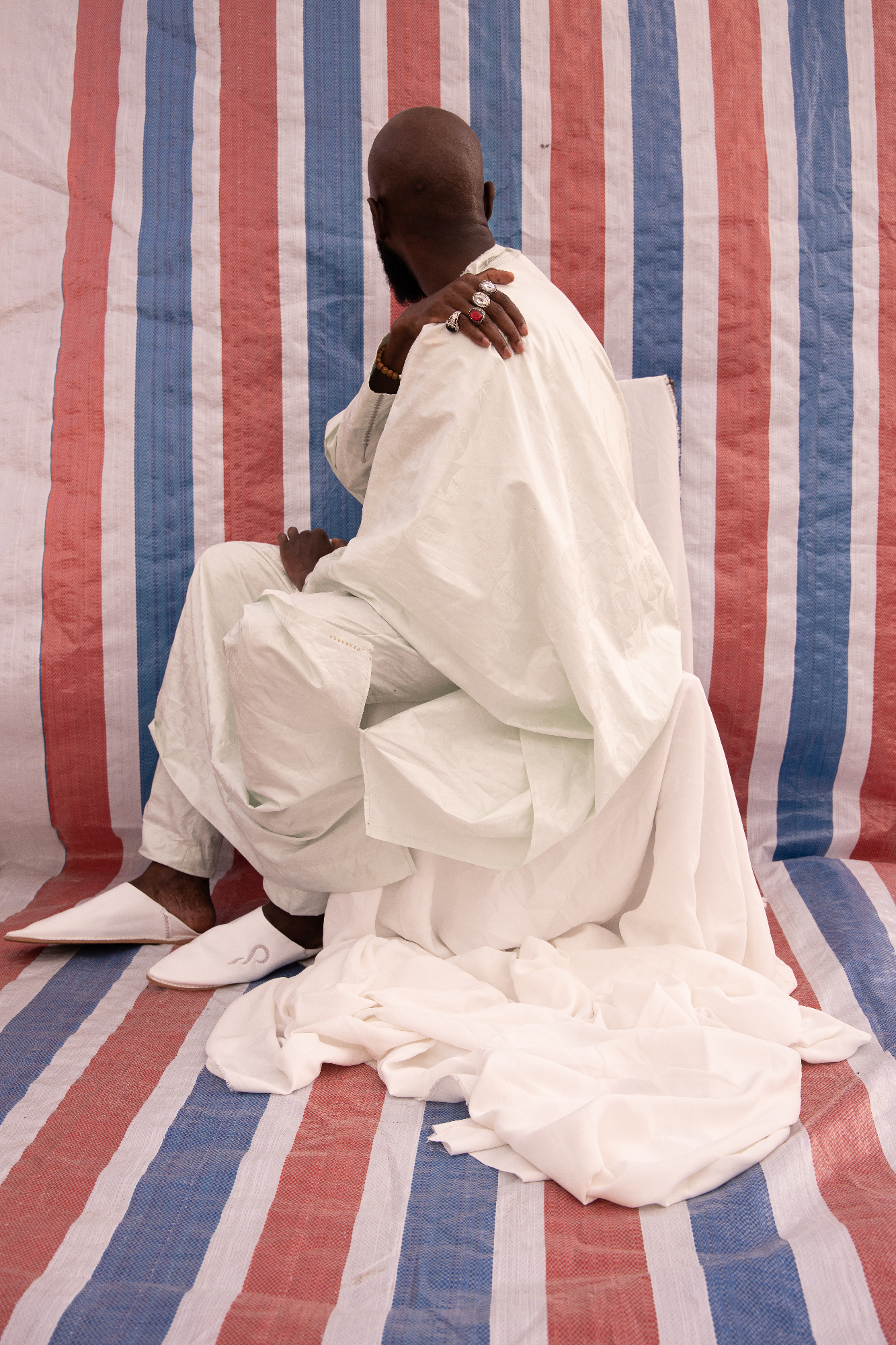
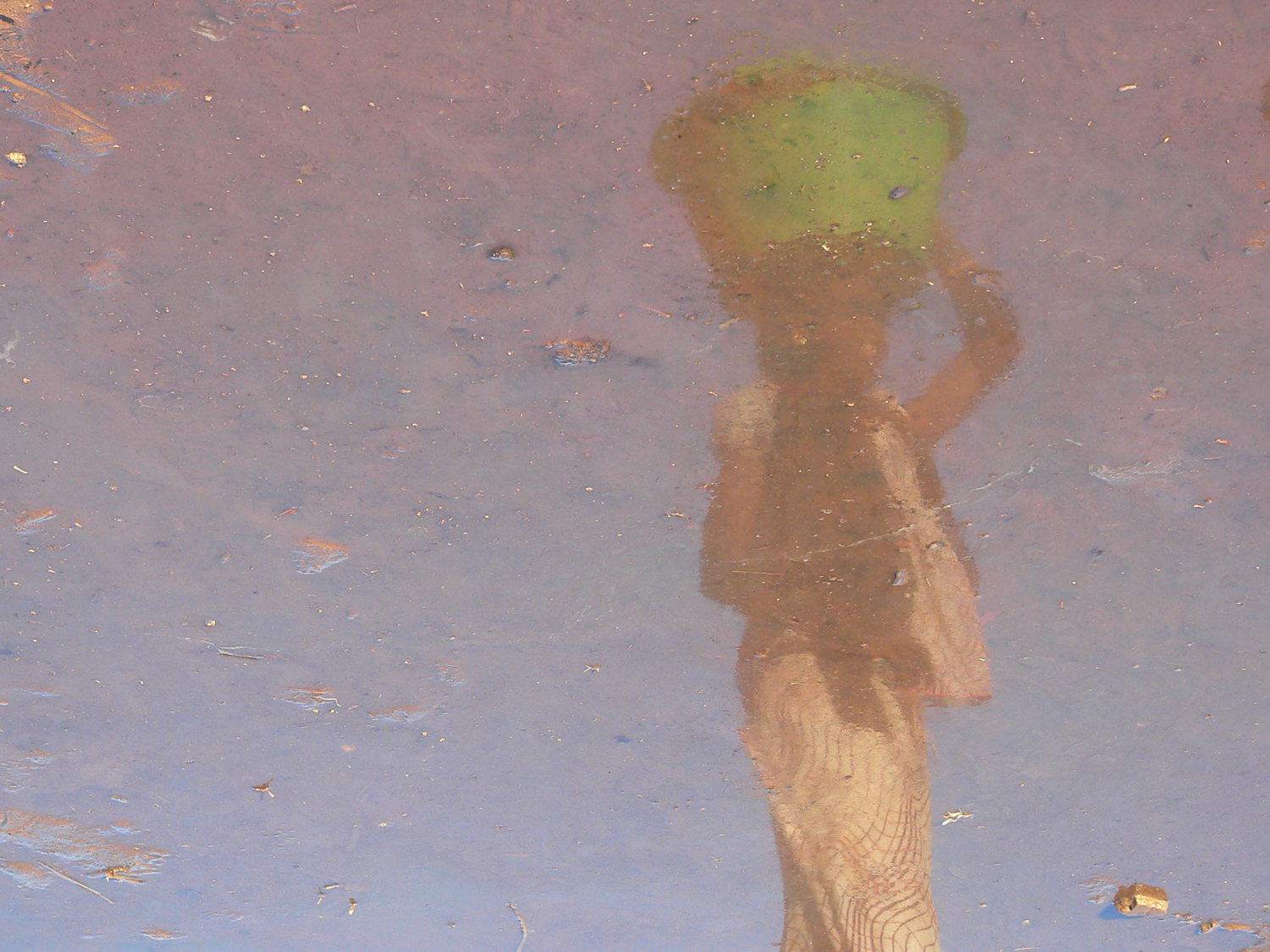
More True than Fact by Djibril Drame was on view at Mehari Sequar Gallery, Washington DC, until 31 August 2023
A retrospective of Djibril Drame at Mehari Sequar Gallery foregrounds compelling dialogues on African modernities and lived experience
Having begun experimenting with graffiti at the age of nine and turning to photography at fifteen, Djibril Drame’s multidisciplinary practice is deeply rooted in the spiritual ethos of the Baye Fall Sufi brotherhood. His work seamlessly intertwines poetic reflection with politically engaged explorations of cultural memory, anchored in contemporary African aesthetics. In his early twenties, Drame became an active participant in Dakar’s graffiti collectives, where he developed the most extensive archive of Senegalese street art through photography and interviews. This formative engagement shaped a practice attuned to urban space, collective authorship, and visual history, principles that continue to guide his work across mediums. Drame’s practice has since expanded to include fine art photography, video, and high-profile commercial projects in fashion and corporate contexts. Across these domains, he has cultivated a distinct visual language foregrounding Black experience and excellence, migration and diaspora, spirituality, and gender identity, often realized through portraiture captured with a Hasselblad 907X & CFV 100C medium-format camera. Beyond the frame, Drame employs galleries, streets, and film as platforms to articulate messages with precision and resonance.
More True than Fact, his retrospective at Mehari Sequar Gallery in Washington, DC, traced over 15 years of creative exploration, offering a sweeping survey of Drame’s evolving practice. The exhibition presented intimate, imaginative portraiture that is at once meditative and socially engaged, grounded in humanity, spirituality, and the textures of Senegalese cultural life. Natural elements, everyday scenes, and local customs are meticulously positioned within each frame, functioning not merely as backdrop but as active participants in Drame’s narrative, shaping how viewers perceive memory, identity, and possibility. Exhibition curator Khaleelah I. L. Harris reflects on this approach: “Although the future we are attempting to build is merely a figment of our imaginations, not yet intelligible through our ways of knowing, the momentousness of our freedom makes every vision constructed more true than fact.” In this context, Drame’s work becomes a meditation on the tensions between imagination and reality, individual and collective histories, and the intimate and the universal. Through this retrospective, Drame positions himself not only as a chronicler of lived experience but as a visionary who uses portraiture, space, and narrative to explore broader cultural futures. Each image invites contemplation, encouraging audiences to consider how memory, tradition, and spiritual insight inform the shaping of personal and collective destinies. In doing so, the artist affirms a practice that is simultaneously personal and expansively collective, a visual testament to African modernities, the resilience of imagination, and the enduring capacity of art to articulate visions of freedom, possibility, and cultural continuity.
More True than Fact by Djibril Drame was on view at Mehari Sequar Gallery, Washington DC, until 31 August 2023