MUYU
The new print publication and platform dedicated to celebrating Sierra Leone's creativity in all its guises
Sierra Leone’s creative landscape is finding new ways to document itself. Across Freetown and the diaspora, a generation of artists, photographers, writers, designers and cultural practitioners are reshaping how the country is seen, remembered and imagined. It is within this shifting landscape that Muyu Journal arrives. Named after the Temne word for “patience”, a language spoken widely across Sierra Leone - Muyu is founded by Abdul Hamid Kanu and published by Studio Muyu. The new print publication looks closely at contemporary Sierra Leonean life ; its images, stories, contradictions and cultural memory while considering what it means to document a country from within. Muyu’s first issue, 'The New Landlords', takes its title from a question of ownership. Not simply who owns land, but who has the agency to shape culture, inherit memory, claim belonging and influence the future of a place. The issue brings together photography, essays, interviews and visual narratives from contributors working across contemporary culture. Moving between Freetown and the diaspora, it considers the ways Sierra Leoneans negotiate identity, place and inheritance at a time when the country’s creative scene is becoming increasingly visible beyond its borders.
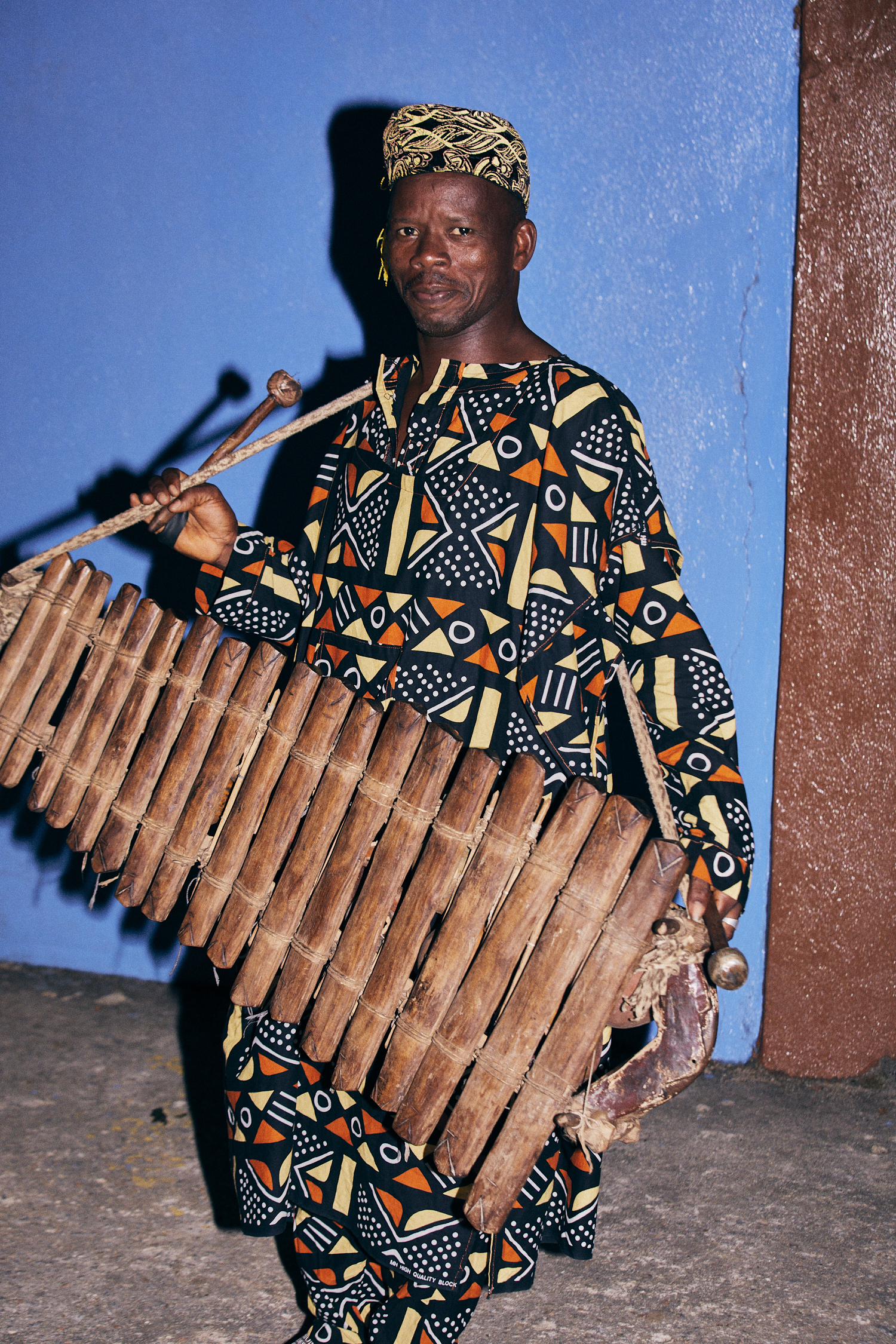
Yanda by Delwin Kamara. Image courtesy of MUYU Journal
At the heart of the publication is an interest in the things that formal archives often leave behind. Family photographs. Oral histories. Everyday encounters. Personal memories. The details of ordinary life that, accumulated over time, become a record of how a society understands itself. “For me, the archive begins with paying attention,” Kanu tells MANJU Journal. “A lot of what shapes Sierra Leonean identity exists outside institutions.” That philosophy gives Muyu its particular position. It is not attempting to produce a definitive account of Sierra Leone, but to build something more open-ended: an archive shaped by different voices, perspectives and lived experiences.The idea of Return and Belonging runs through the issue, particularly in its engagement with the diaspora. For many Sierra Leoneans living away from home, return can carry an expectation of reconnection, while also revealing how much both the individual and the place have changed.
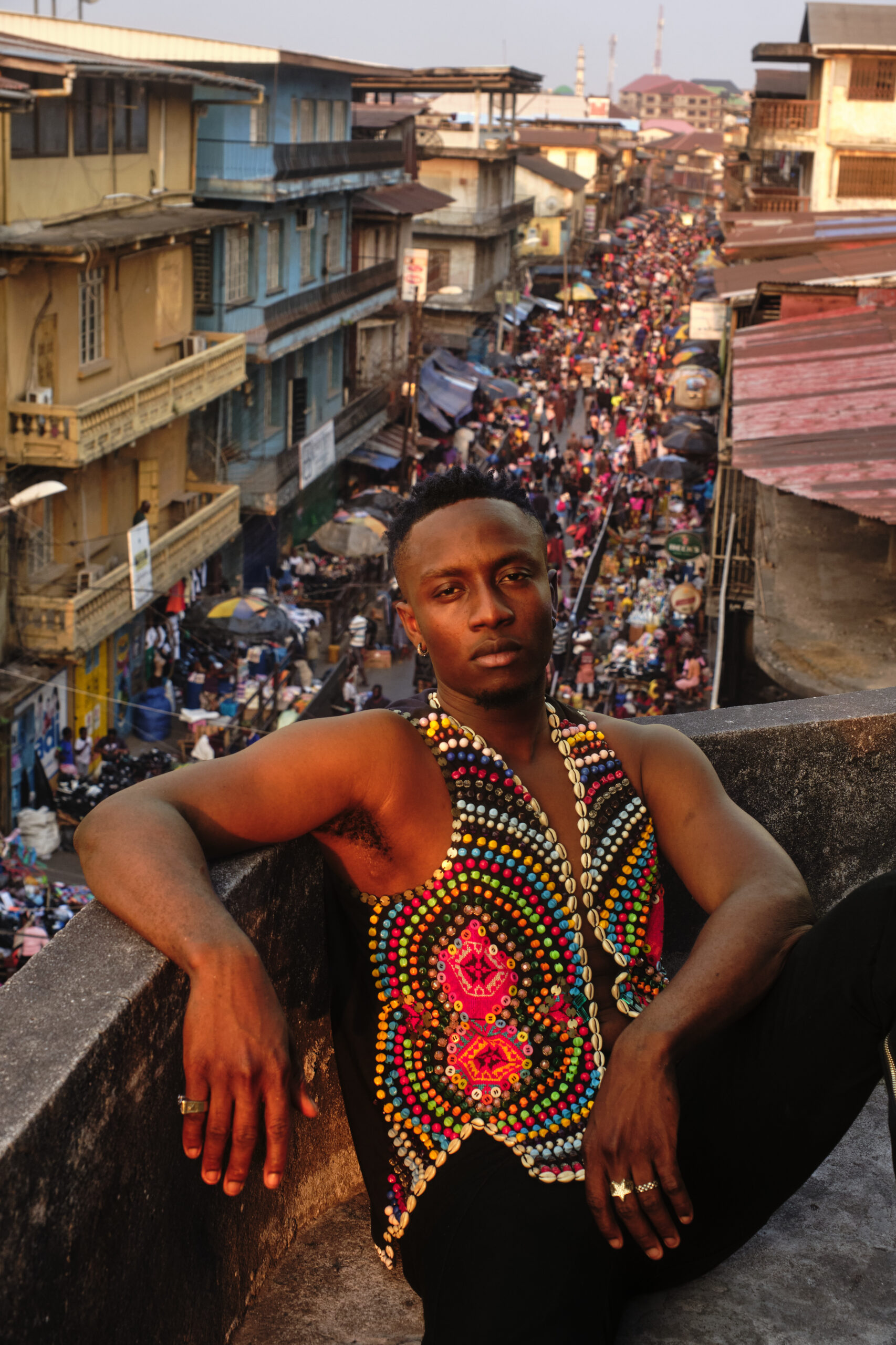
Feature story. Drizilik photo by Abdul Hamid Kanu. Image courtesy of MUYU Journal
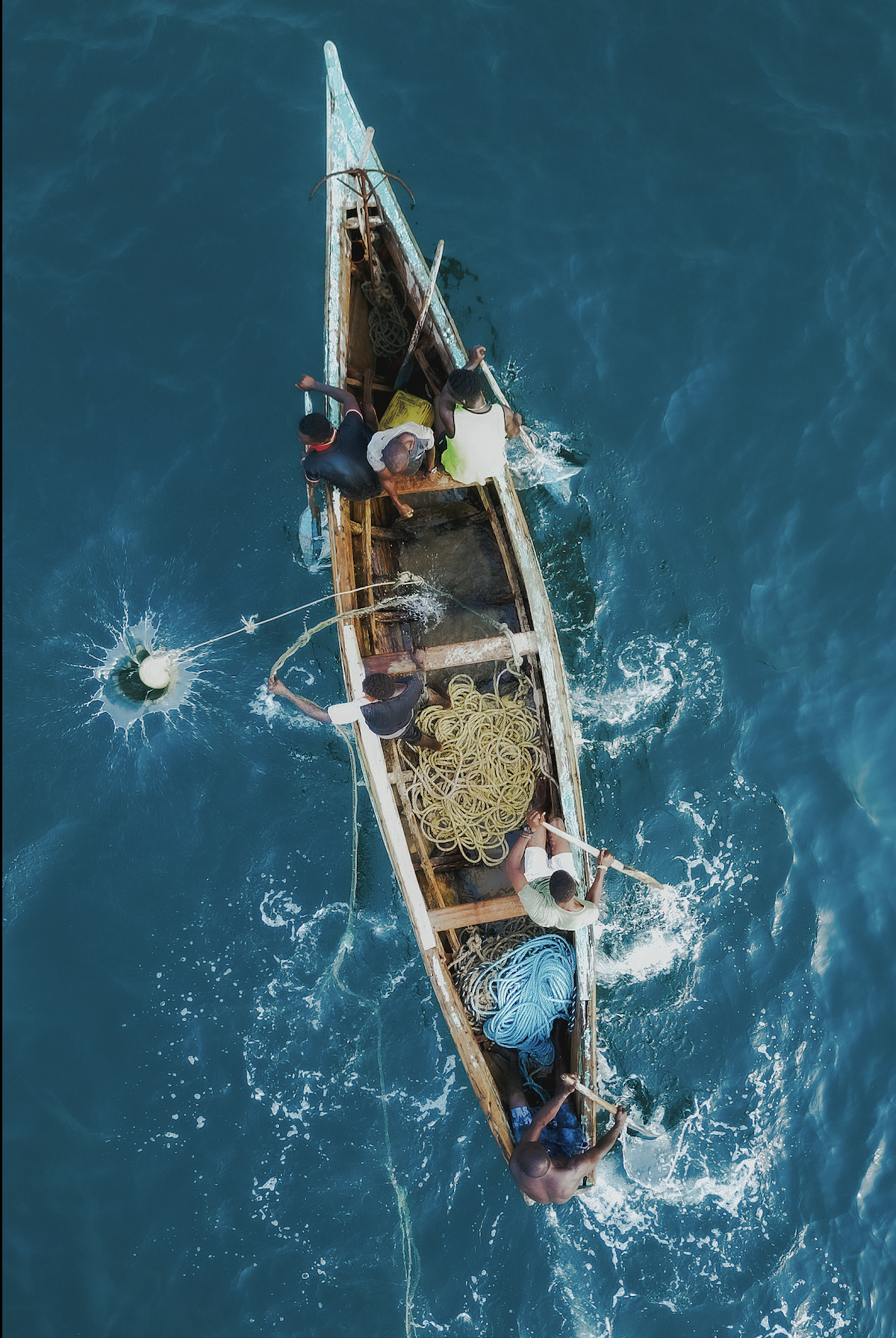
Tokeh beach. Photo by Sama Kai. Image Courtesy of MUYU Journal
For Muyu, this is also a question of cultural responsibility. Who gets to tell Sierra Leone’s stories? What deserves to be preserved? And how might a new generation document its own present before it becomes somebody else’s history? The answer lies, in part, in looking beyond the obvious. In the photographs kept in family homes, the stories carried across generations, the conversations that rarely make it into official records, and the creative practices that give form to a changing sense of place. These are not simply fragments of contemporary life; they are part of the record. Its ambition is to bring those fragments into conversation, to create an archive that is lived rather than fixed, shaped by the people who are making, remembering and reimagining Sierra Leone now. The next chapter will extend beyond the country’s borders, opening into a wider West African conversation while holding on to the specificity from which it began. As Kanu puts it, “Muyu does not need to speak for Africa. It only needs to speak honestly from where it stands.” For now, it stands in Sierra Leone - looking closely, paying attention, and making a record of the present as it unfolds.
The new print publication and platform dedicated to celebrating Sierra Leone's creativity in all its guises
Sierra Leone’s creative landscape is finding new ways to document itself. Across Freetown and the diaspora, a generation of artists, photographers, writers, designers and cultural practitioners are reshaping how the country is seen, remembered and imagined. It is within this shifting landscape that Muyu Journal arrives. Named after the Temne word for “patience”, a language spoken widely across Sierra Leone - Muyu is founded by Abdul Hamid Kanu and published by Studio Muyu. The new print publication looks closely at contemporary Sierra Leonean life ; its images, stories, contradictions and cultural memory while considering what it means to document a country from within. Muyu’s first issue, 'The New Landlords', takes its title from a question of ownership. Not simply who owns land, but who has the agency to shape culture, inherit memory, claim belonging and influence the future of a place. The issue brings together photography, essays, interviews and visual narratives from contributors working across contemporary culture. Moving between Freetown and the diaspora, it considers the ways Sierra Leoneans negotiate identity, place and inheritance at a time when the country’s creative scene is becoming increasingly visible beyond its borders.
Yanda by Delwin Kamara. Image courtesy of MUYU Journal
At the heart of the publication is an interest in the things that formal archives often leave behind. Family photographs. Oral histories. Everyday encounters. Personal memories. The details of ordinary life that, accumulated over time, become a record of how a society understands itself. “For me, the archive begins with paying attention,” Kanu tells MANJU Journal. “A lot of what shapes Sierra Leonean identity exists outside institutions.” That philosophy gives Muyu its particular position. It is not attempting to produce a definitive account of Sierra Leone, but to build something more open-ended: an archive shaped by different voices, perspectives and lived experiences.The idea of Return and Belonging runs through the issue, particularly in its engagement with the diaspora. For many Sierra Leoneans living away from home, return can carry an expectation of reconnection, while also revealing how much both the individual and the place have changed.
Feature story. Drizilik photo by Abdul Hamid Kanu. Image courtesy of MUYU Journal
Tokeh beach. Photo by Sama Kai. Image Courtesy of MUYU Journal
For Muyu, this is also a question of cultural responsibility. Who gets to tell Sierra Leone’s stories? What deserves to be preserved? And how might a new generation document its own present before it becomes somebody else’s history? The answer lies, in part, in looking beyond the obvious. In the photographs kept in family homes, the stories carried across generations, the conversations that rarely make it into official records, and the creative practices that give form to a changing sense of place. These are not simply fragments of contemporary life; they are part of the record. Its ambition is to bring those fragments into conversation, to create an archive that is lived rather than fixed, shaped by the people who are making, remembering and reimagining Sierra Leone now. The next chapter will extend beyond the country’s borders, opening into a wider West African conversation while holding on to the specificity from which it began. As Kanu puts it, “Muyu does not need to speak for Africa. It only needs to speak honestly from where it stands.” For now, it stands in Sierra Leone - looking closely, paying attention, and making a record of the present as it unfolds.