OKRA
Welcome to OKRA, the new platform investigating the cultural histories of design and architecture
All hail OKRA , a new media platform and digital magazine by Okra Agency, based in Amsterdam. Established as an independent communications agency working across art, design, architecture and cultural enterprise, the agency has collaborated with artists including Zanele Muholi, Julian Knxx, Nifemi Marcus-Bello and Kwabena Sekyi Appiah-Nti, as well as spaces such as Limbo Accra. Its work centres on expanding cultural narratives through concept-driven campaigns, partnerships and media strategy. Now, the studio additionally turns inward with its latest editorial venture: OKRA, a digital platform dedicated to uncovering the histories behind design and architecture. Through essays, research and participatory programming, it looks beyond the surface of objects to consider how design takes shape in everyday life. Launched in January, the inaugural issue, 'Afro-European', brings together a considered mix of voices working across disciplines. Essays, conversations and visual contributions approach objects and environments as sites of knowledge; where diaspora, memory and power take material form. Moving between intimate practices and wider architectural and social frameworks, the issue reflects on how design informs the ways we live, build and relate to one another with contributions from Kusheda Mensah, Bianca Saunders, Giles Tettey Nartey, Christian Cassiel, Angel Harvey-Ideozu and Andu Masebo, among others.
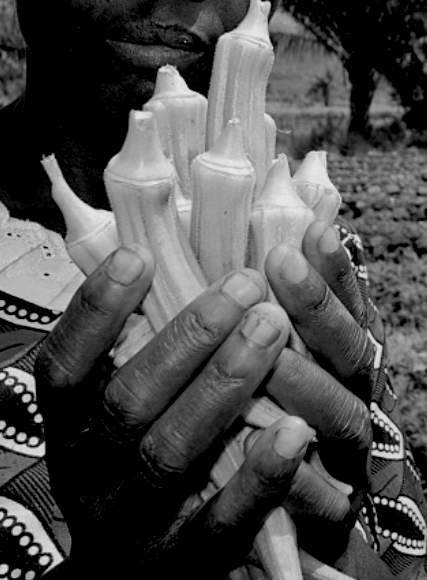
Okra. Courtesy of Okra Journal
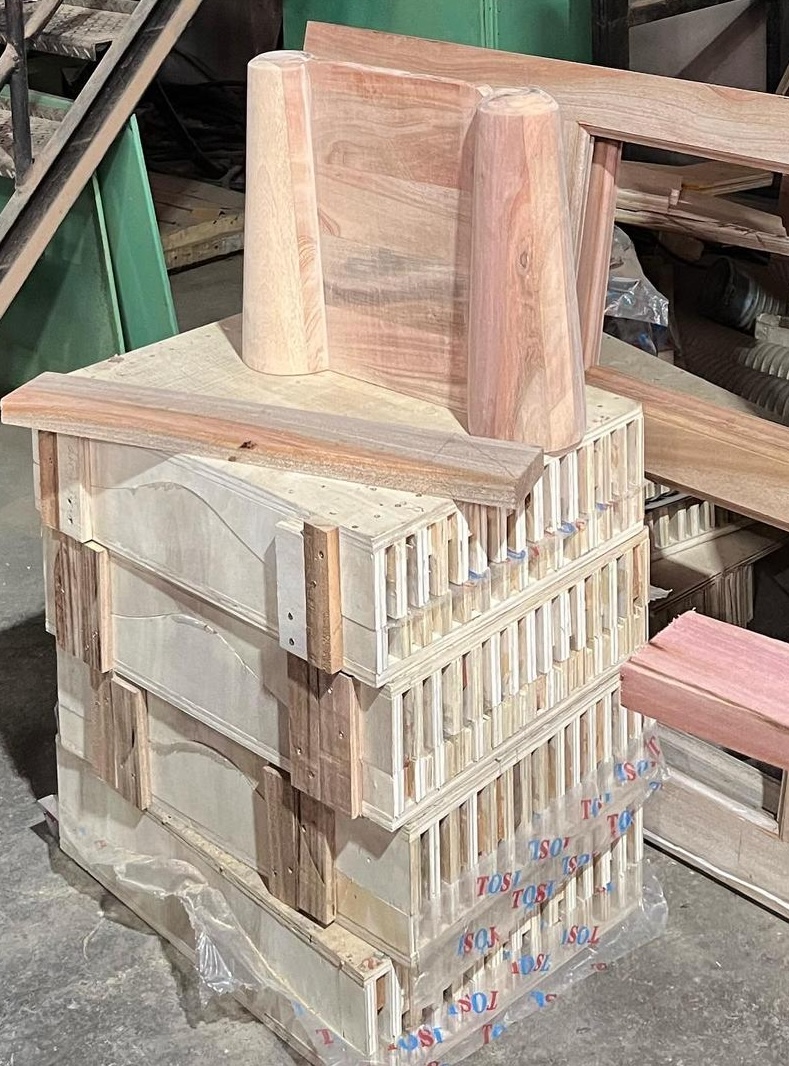
Image courtesy of Nmbello Studio
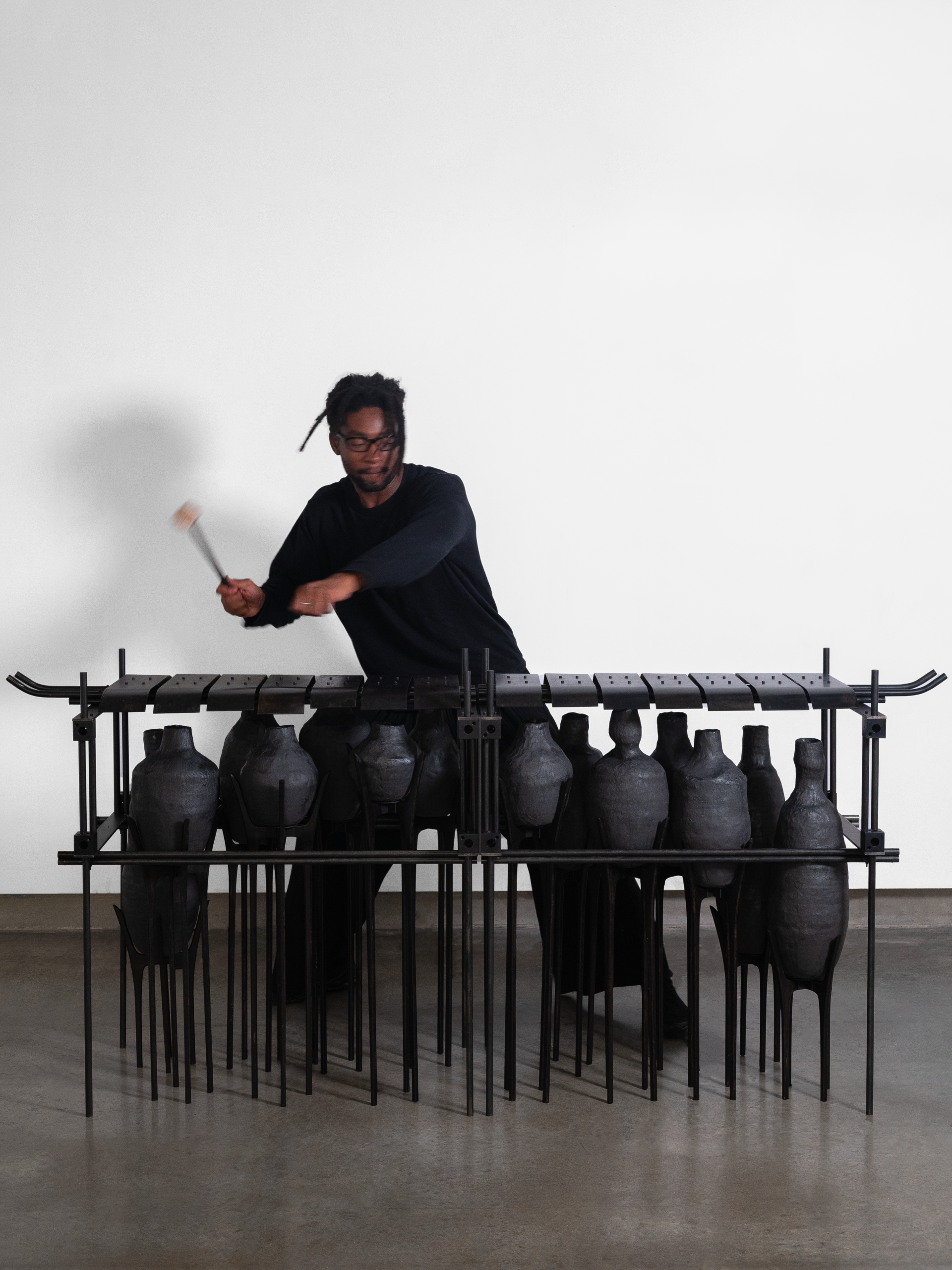
Stranger Notes. Courtesy Giles Tettey Nartey
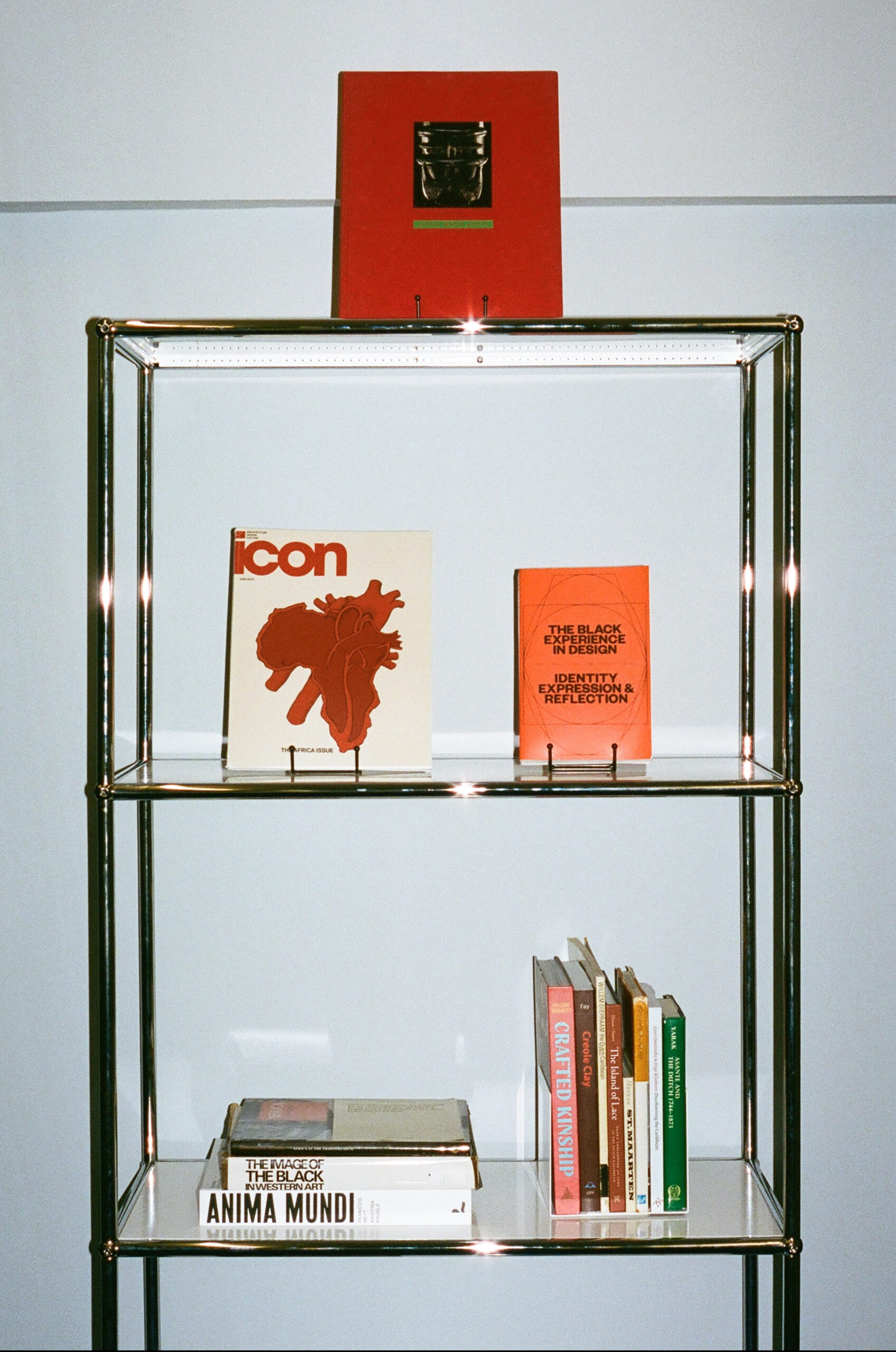
The launch unfolded in partnership with Amsterdam's Metro54, where a curated reading room was developed in collaboration with Seed Archives, a London-based research space and community library. The selection of texts responded directly to the themes of the issue, extending the editorial framework into a physical, research-led environment. Supported by USM Haller, the installation adopted a modular system that allows the space to shift between display, study and discussion. Looking ahead, OKRA will host a monthly public programme at Metro54, spanning talks, screenings and workshops. Conceived as an evolving offline counterpart to the platform, the space operates as a living archive, one that gathers and circulates knowledge in real time, while encouraging dialogue across disciplines and geographies. We sat down with the founders to discuss the thinking behind the project.
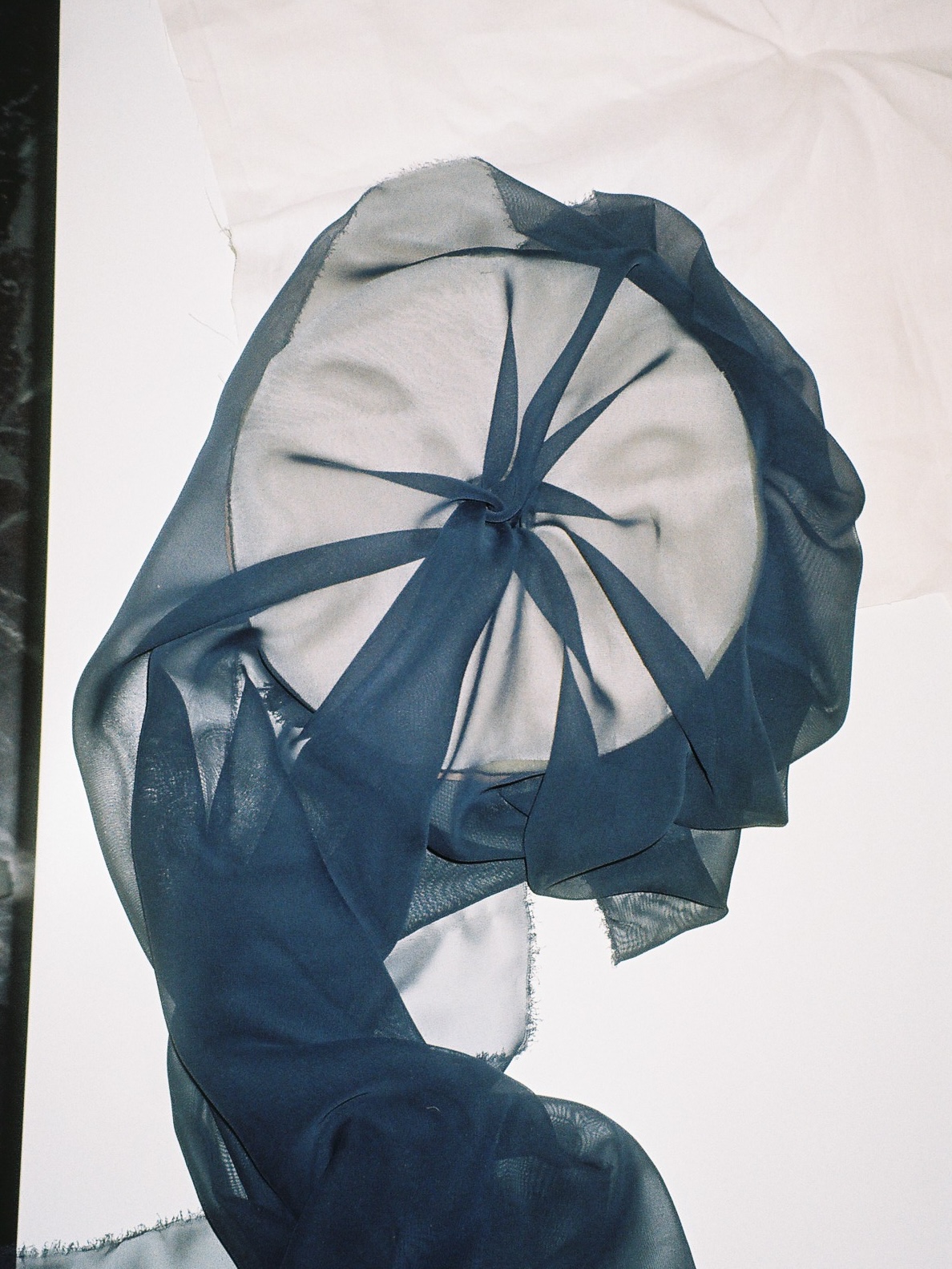
Image courtesy of Sade Linda Ekwedike
What was the original vision behind starting OKRA Journal after years of working as an agency?
After several years of working as a communications agency within art, design, and architecture, we started to notice a recurring gap between the work being produced and the stories that shape how design is understood. Many of the practices we worked with, especially designers and thinkers of colour, were producing important work and knowledge. Yet their perspectives rarely entered the narratives that shape how design history is written and discussed. Working as an agency often means advocating for projects and helping them gain visibility within existing structures. Over time, we became increasingly aware that many of the ideas, histories, and perspectives behind that work remained largely absent from design discourse. OKRA emerged from a desire to address that structural gap. Rather than simply promoting projects, we wanted to create a platform where research, stories, and practices could exist in their own right. The journal allows us to explore design beyond objects or aesthetics, and to look more closely at the histories, contexts, and lived experiences that shape how design takes form.
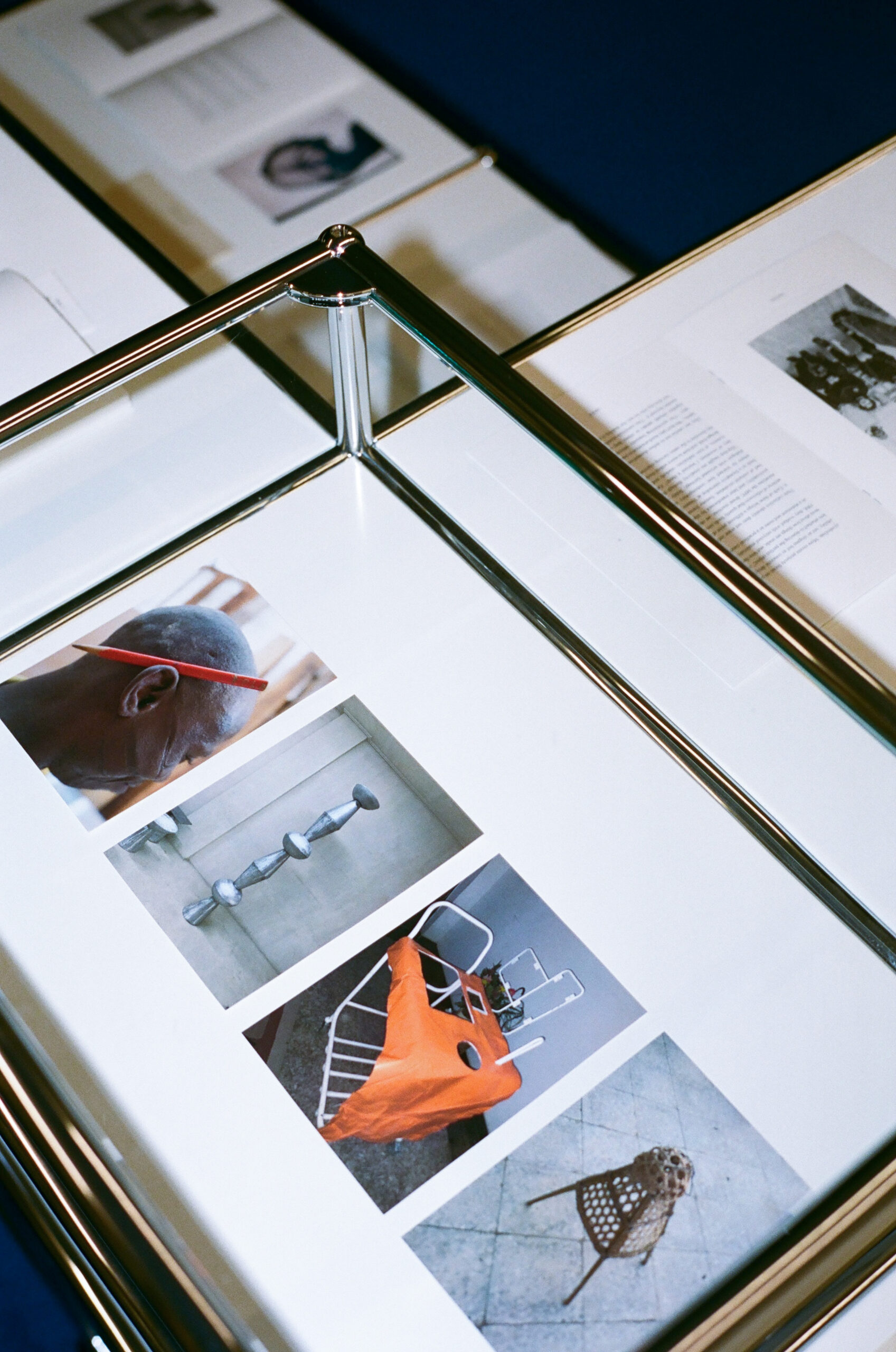
Launch of Okra. Image courtesy of Yeray Sabandar
Launch of Okra. Image courtesy of Yeray Sabandar
OKRA explores the (hi)stories behind design and architecture. Why was it important to foreground narrative and research within these disciplines?
Design and architecture are often presented through finished objects, buildings, or images, while the stories behind them remain largely invisible. Yet these stories, including the social, cultural, and historical contexts in which design emerges, shape how we understand the field. Foregrounding narrative and research allows us to move the conversation beyond the final outcome. It opens space for lived experiences, cultural memory, and other forms of knowledge that do not always appear in traditional design discourse. Looking at design through storytelling also allows us to ask different questions, such as whose perspectives are documented and whose remain absent.
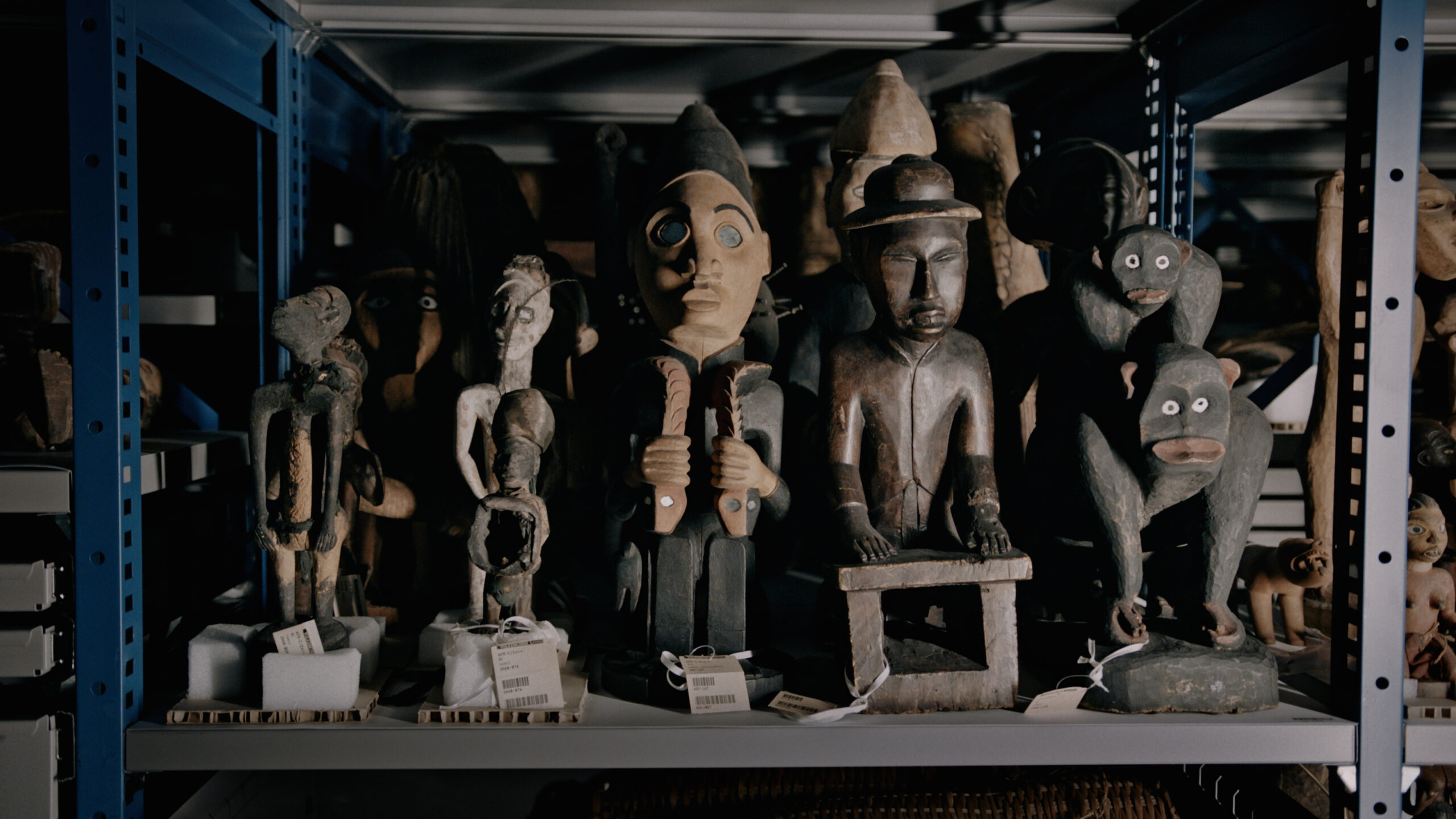
Still from Being Part European (20240, a film by Mirelle van Tulder. Image courtesy of Mirelle van Tulder
The inaugural issue centers Afro-European perspectives. What conversations or gaps were you hoping this theme would address?
Afro-European perspectives remain significantly underrepresented within European design discourse, despite the many designers, architects, and cultural practitioners contributing to the field. With the first issue, we wanted to acknowledge that absence and create space for perspectives that reflect the lived realities of Black creatives working across European contexts. Rather than presenting Afro-European identity as a fixed category, the issue brings together a range of experiences and practices. The aim was not to define a single narrative, but to open a broader conversation about how design intersects with migration, heritage, community, and cultural memory.
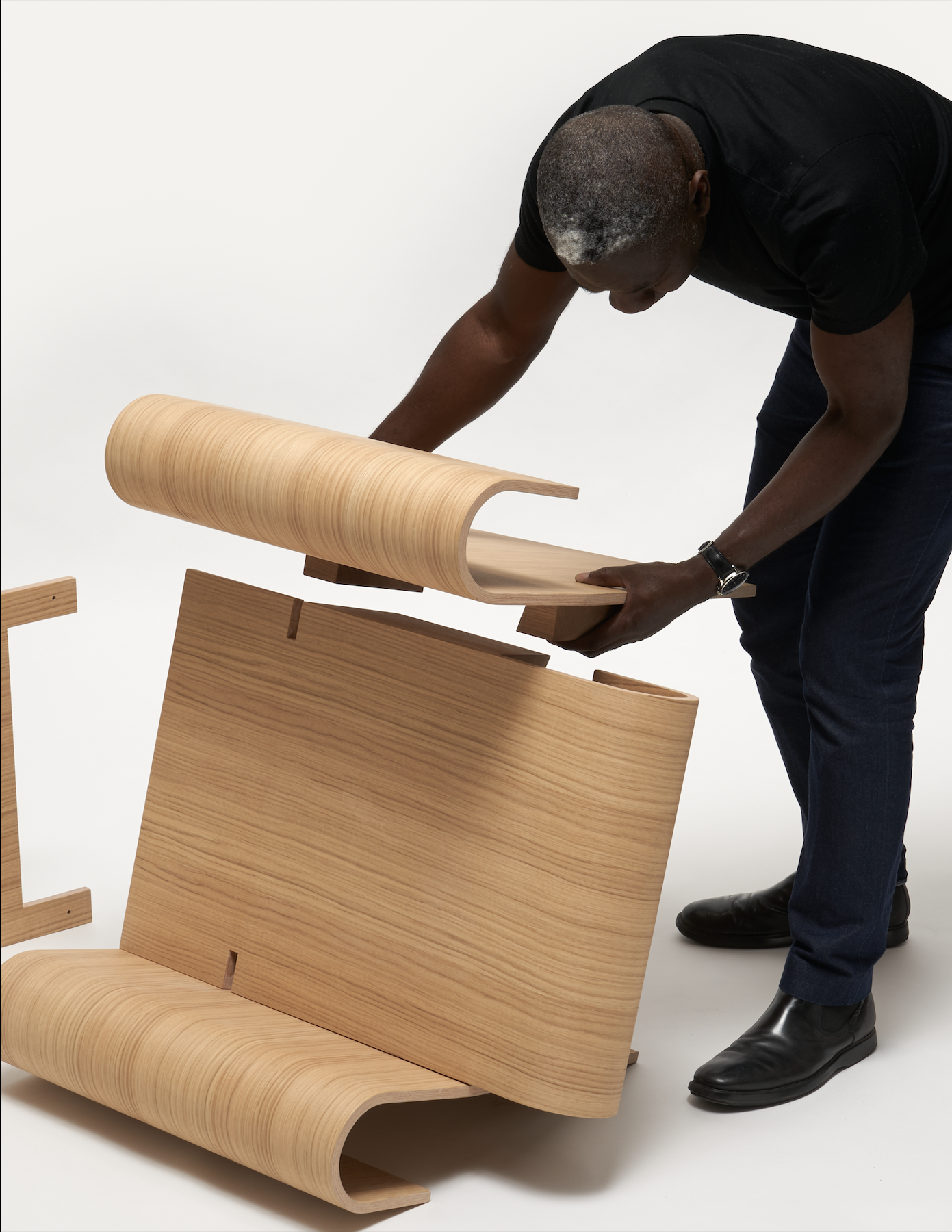

Image courtesy of Charles O. Job
Andu Masebo, photography by Christian Cassiel
The publication moves between intimate practices and broader architectural and cultural structures. How do you approach balancing personal narratives with collective histories?
For us, personal narratives are often the starting point for understanding larger structures. Individual experiences can reveal how broader cultural, spatial, or institutional systems shape everyday life. In the editorial process we move between these different scales. A personal story can open questions around migration, identity, or belonging. Discussions about architecture or space show how those same experiences are embedded in the built environment. Placing these perspectives next to one another highlights how closely personal and collective histories are connected.
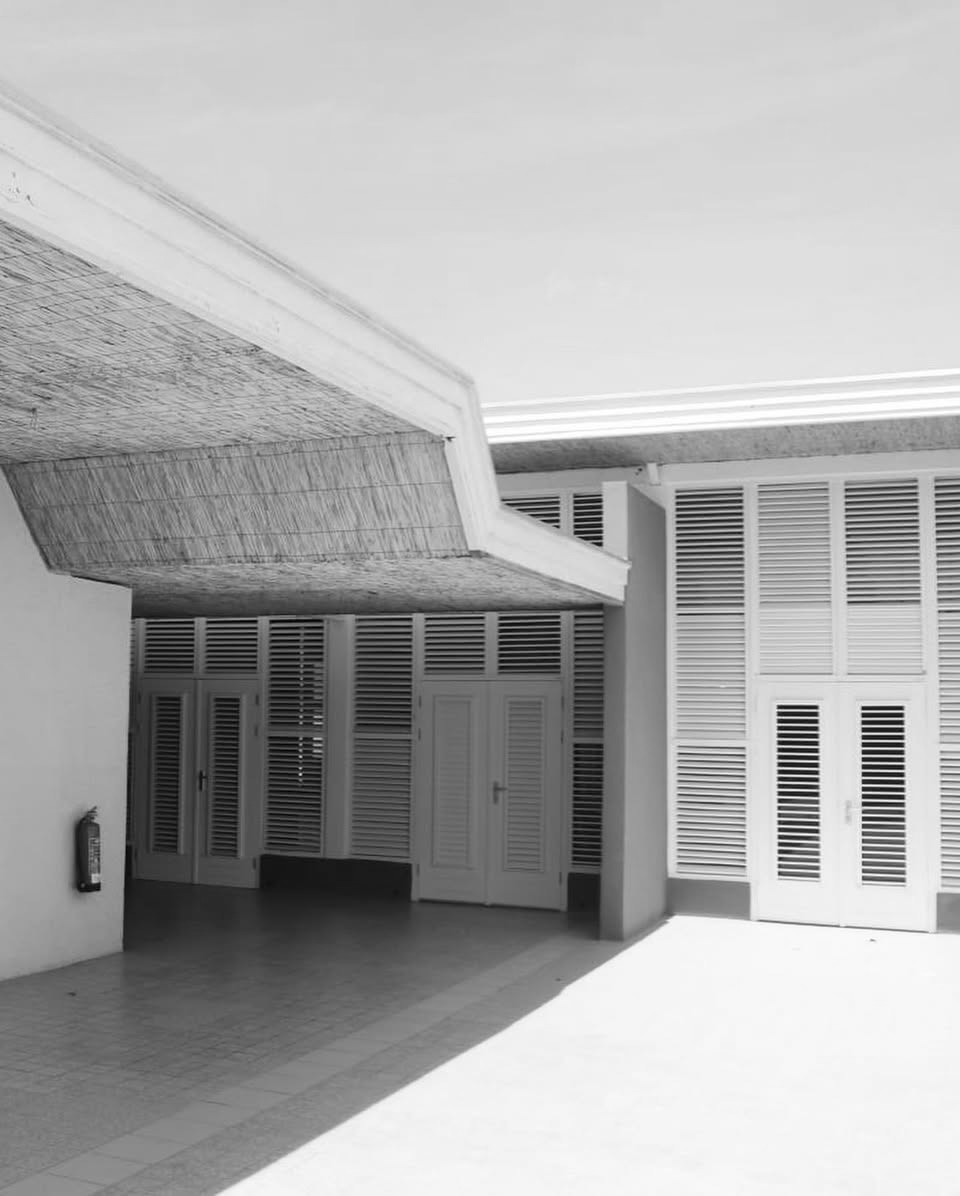
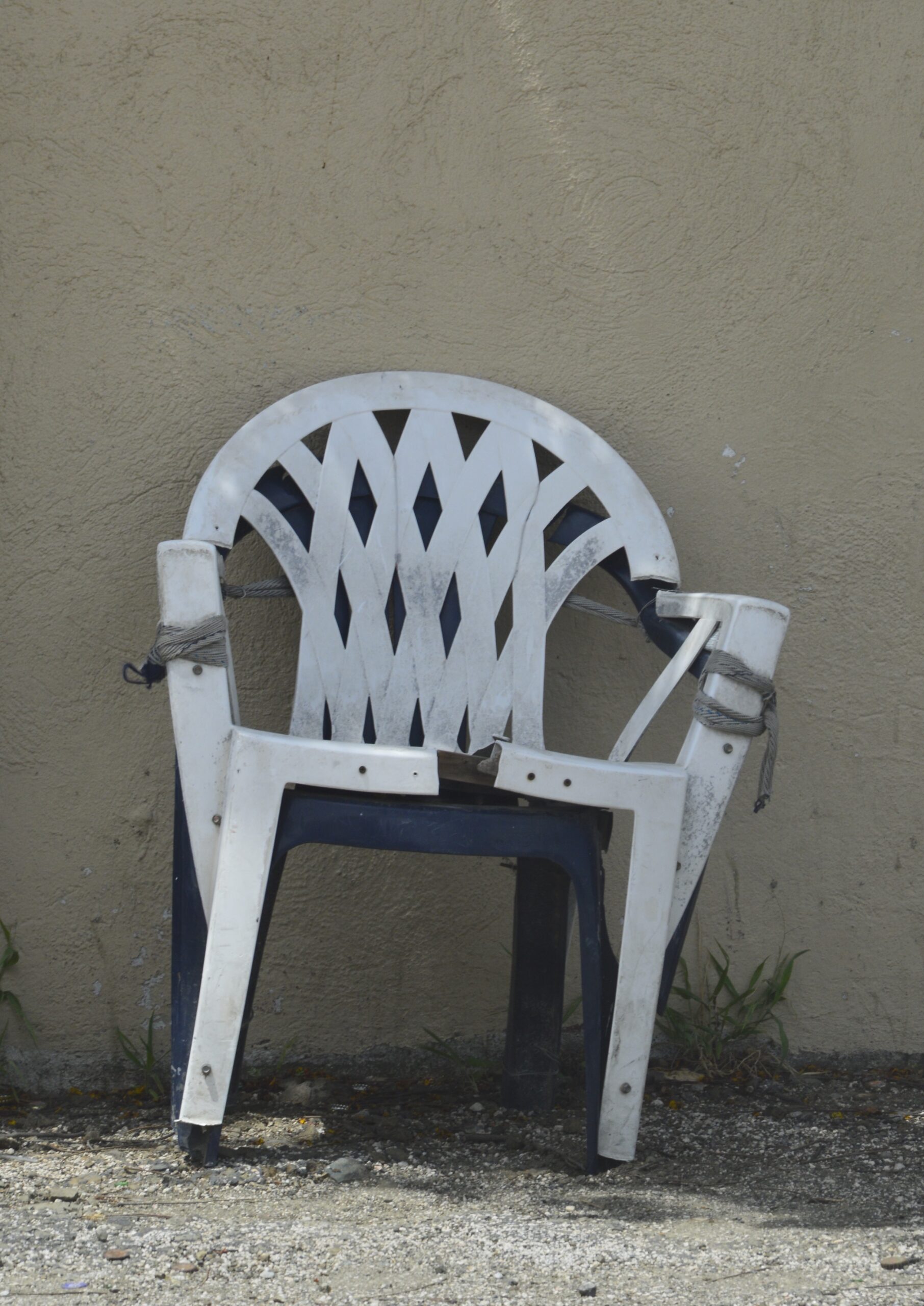
Image courtesy of Sucking Salt
Image courtesy of Lilly Alexandra
Welcome to OKRA, the new platform investigating the cultural histories of design and architecture
All hail OKRA , a new media platform and digital magazine by Okra Agency, based in Amsterdam. Established as an independent communications agency working across art, design, architecture and cultural enterprise, the agency has collaborated with artists including Zanele Muholi, Julian Knxx, Nifemi Marcus-Bello and Kwabena Sekyi Appiah-Nti, as well as spaces such as Limbo Accra. Its work centres on expanding cultural narratives through concept-driven campaigns, partnerships and media strategy. Now, the studio additionally turns inward with its latest editorial venture: OKRA, a digital platform dedicated to uncovering the histories behind design and architecture. Through essays, research and participatory programming, it looks beyond the surface of objects to consider how design takes shape in everyday life. Launched in January, the inaugural issue, 'Afro-European', brings together a considered mix of voices working across disciplines. Essays, conversations and visual contributions approach objects and environments as sites of knowledge; where diaspora, memory and power take material form. Moving between intimate practices and wider architectural and social frameworks, the issue reflects on how design informs the ways we live, build and relate to one another with contributions from Kusheda Mensah, Bianca Saunders, Giles Tettey Nartey, Christian Cassiel, Angel Harvey-Ideozu and Andu Masebo, among others.
Okra. Courtesy of Okra Journal
Image courtesy of Nmbello Studio
Stranger Notes. Courtesy Giles Tettey Nartey
The launch unfolded in partnership with Amsterdam's Metro54, where a curated reading room was developed in collaboration with Seed Archives, a London-based research space and community library. The selection of texts responded directly to the themes of the issue, extending the editorial framework into a physical, research-led environment. Supported by USM Haller, the installation adopted a modular system that allows the space to shift between display, study and discussion. Looking ahead, OKRA will host a monthly public programme at Metro54, spanning talks, screenings and workshops. Conceived as an evolving offline counterpart to the platform, the space operates as a living archive, one that gathers and circulates knowledge in real time, while encouraging dialogue across disciplines and geographies. We sat down with the founders to discuss the thinking behind the project.
Image courtesy of Sade Linda Ekwedike
What was the original vision behind starting OKRA Journal after years of working as an agency?
After several years of working as a communications agency within art, design, and architecture, we started to notice a recurring gap between the work being produced and the stories that shape how design is understood. Many of the practices we worked with, especially designers and thinkers of colour, were producing important work and knowledge. Yet their perspectives rarely entered the narratives that shape how design history is written and discussed. Working as an agency often means advocating for projects and helping them gain visibility within existing structures. Over time, we became increasingly aware that many of the ideas, histories, and perspectives behind that work remained largely absent from design discourse. OKRA emerged from a desire to address that structural gap. Rather than simply promoting projects, we wanted to create a platform where research, stories, and practices could exist in their own right. The journal allows us to explore design beyond objects or aesthetics, and to look more closely at the histories, contexts, and lived experiences that shape how design takes form.
Launch of Okra. Image courtesy of Yeray Sabandar
Launch of Okra. Image courtesy of Yeray Sabandar
OKRA explores the (hi)stories behind design and architecture. Why was it important to foreground narrative and research within these disciplines?
Design and architecture are often presented through finished objects, buildings, or images, while the stories behind them remain largely invisible. Yet these stories, including the social, cultural, and historical contexts in which design emerges, shape how we understand the field. Foregrounding narrative and research allows us to move the conversation beyond the final outcome. It opens space for lived experiences, cultural memory, and other forms of knowledge that do not always appear in traditional design discourse. Looking at design through storytelling also allows us to ask different questions, such as whose perspectives are documented and whose remain absent.
Still from Being Part European (20240, a film by Mirelle van Tulder. Image courtesy of Mirelle van Tulder
The inaugural issue centers Afro-European perspectives. What conversations or gaps were you hoping this theme would address?
Afro-European perspectives remain significantly underrepresented within European design discourse, despite the many designers, architects, and cultural practitioners contributing to the field. With the first issue, we wanted to acknowledge that absence and create space for perspectives that reflect the lived realities of Black creatives working across European contexts. Rather than presenting Afro-European identity as a fixed category, the issue brings together a range of experiences and practices. The aim was not to define a single narrative, but to open a broader conversation about how design intersects with migration, heritage, community, and cultural memory.
Image courtesy of Charles O. Job
Andu Masebo, photography by Christian Cassiel
The publication moves between intimate practices and broader architectural and cultural structures. How do you approach balancing personal narratives with collective histories?
For us, personal narratives are often the starting point for understanding larger structures. Individual experiences can reveal how broader cultural, spatial, or institutional systems shape everyday life. In the editorial process we move between these different scales. A personal story can open questions around migration, identity, or belonging. Discussions about architecture or space show how those same experiences are embedded in the built environment. Placing these perspectives next to one another highlights how closely personal and collective histories are connected.
Image courtesy of Sucking Salt
Image courtesy of Lilly Alexandra