OMO NIGERIA
Rubee Samuel’s tender photographs from a Lagos school ignite visions of creative possibility
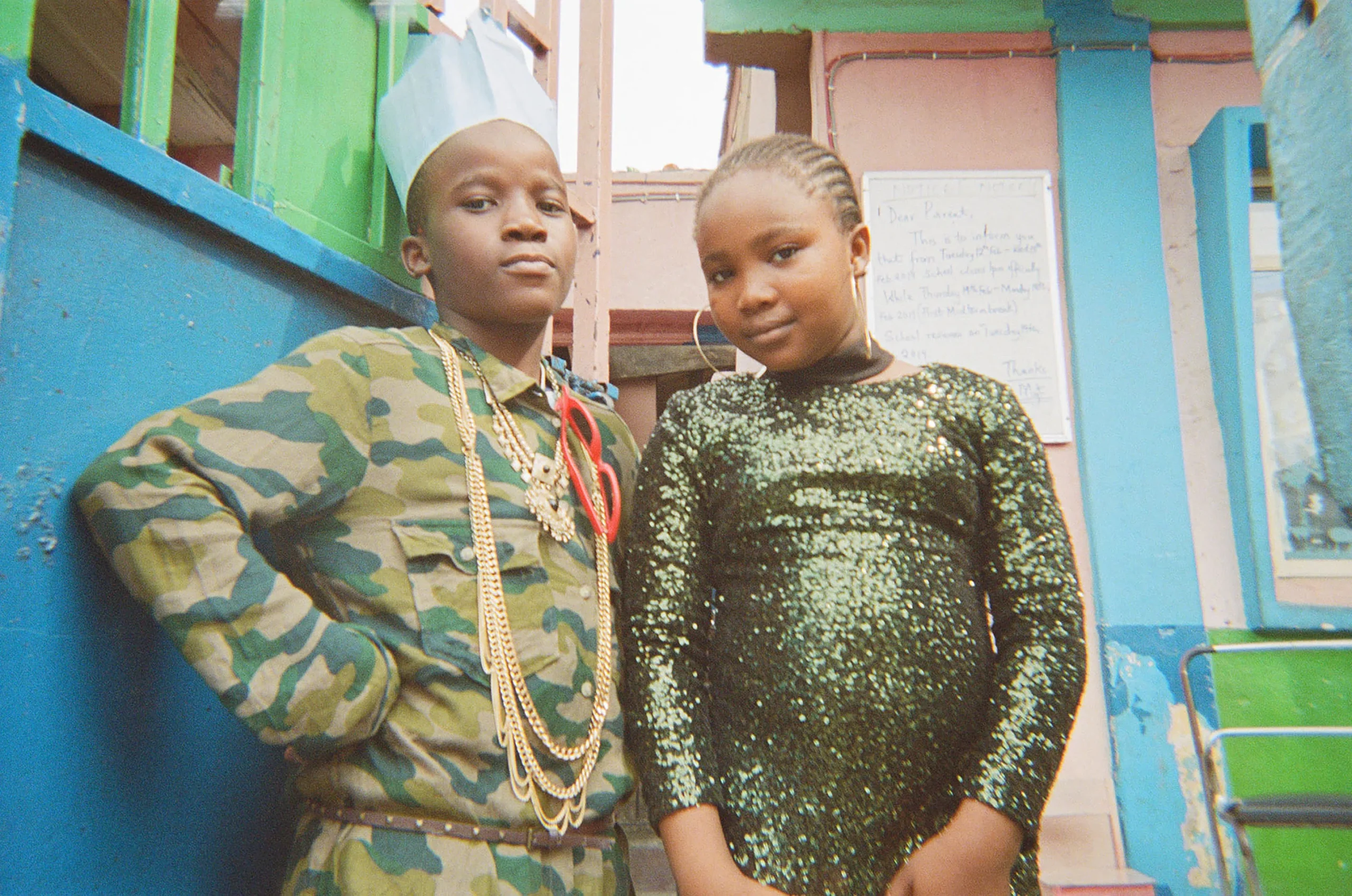
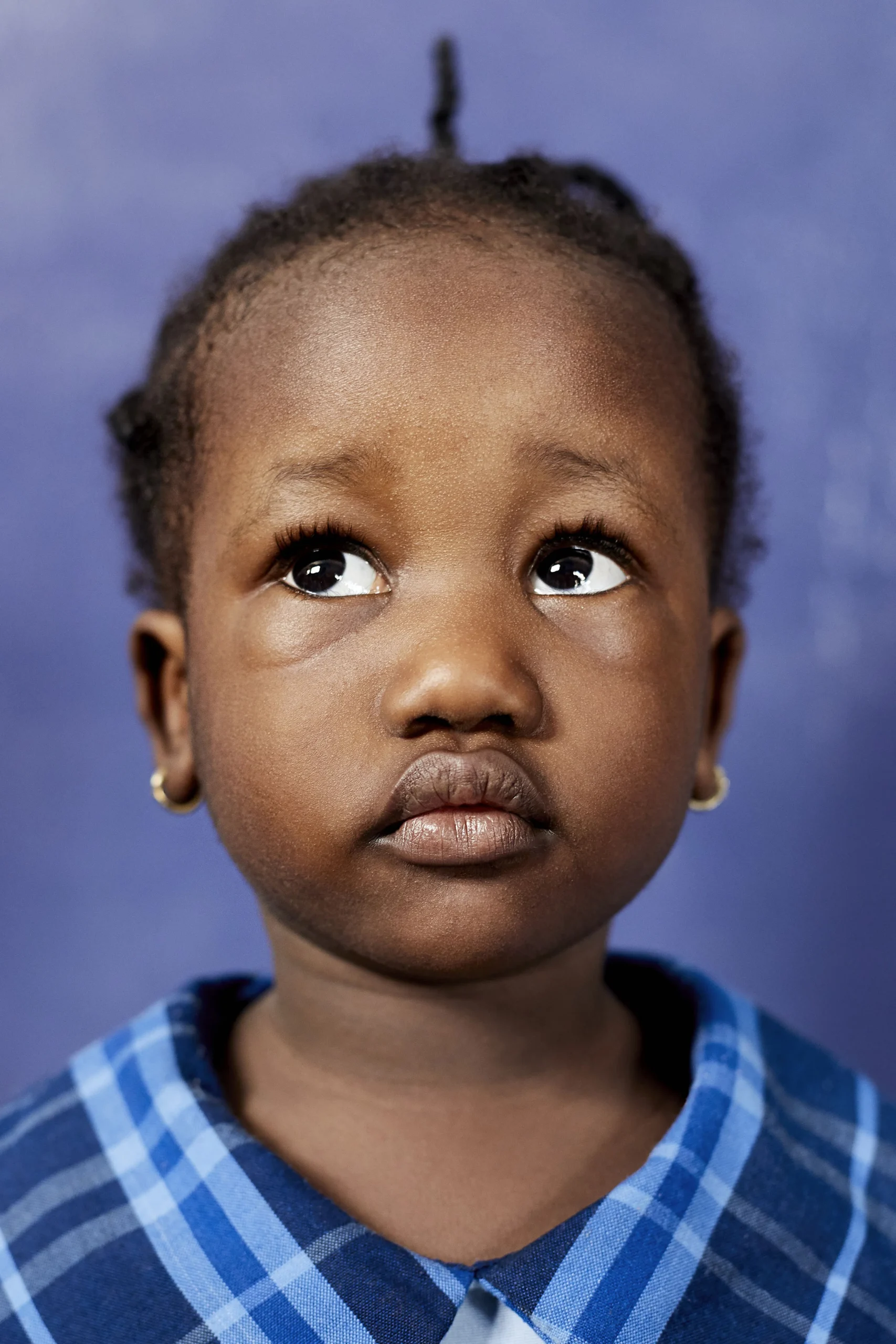
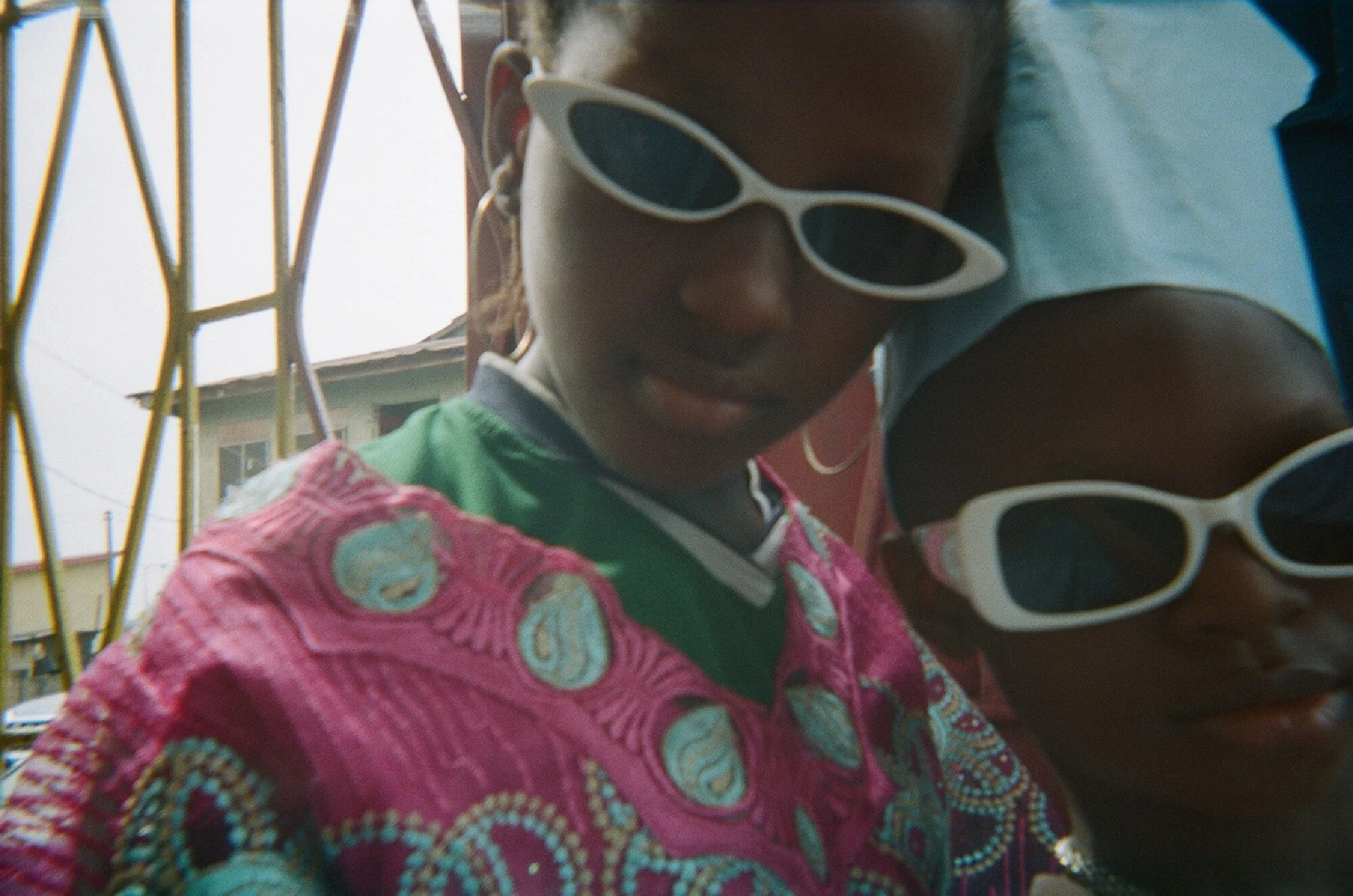
In 2019, photographer Rubee Samuel self-funded a return to Lagos to lead photography workshops in two primary schools; an intimate, self-initiated project that would later crystallise into her debut book, Omo Nigeria. The publication assembles portraits, staged scenes, and quiet observational moments shaped through her sessions with the students, whom she introduced to photographic storytelling, styling, and the visual strategies behind editorial image-making. Drawing references from across West Africa, she positioned photography not simply as a technical craft but as a language of imagination and authorship. The book unfolds in two movements, introduced by writer Kelechi Okafor and poet Jolade Olusanya, mirroring Samuel’s own psychological shift during its making. The first half carries the openness of discovery, echoing the sensory attentiveness of childhood; the second reflects a more interior register, shaped by memory, distance, and self-interrogation. What begins as a teaching residency gradually reveals itself as something closer to a personal excavation.
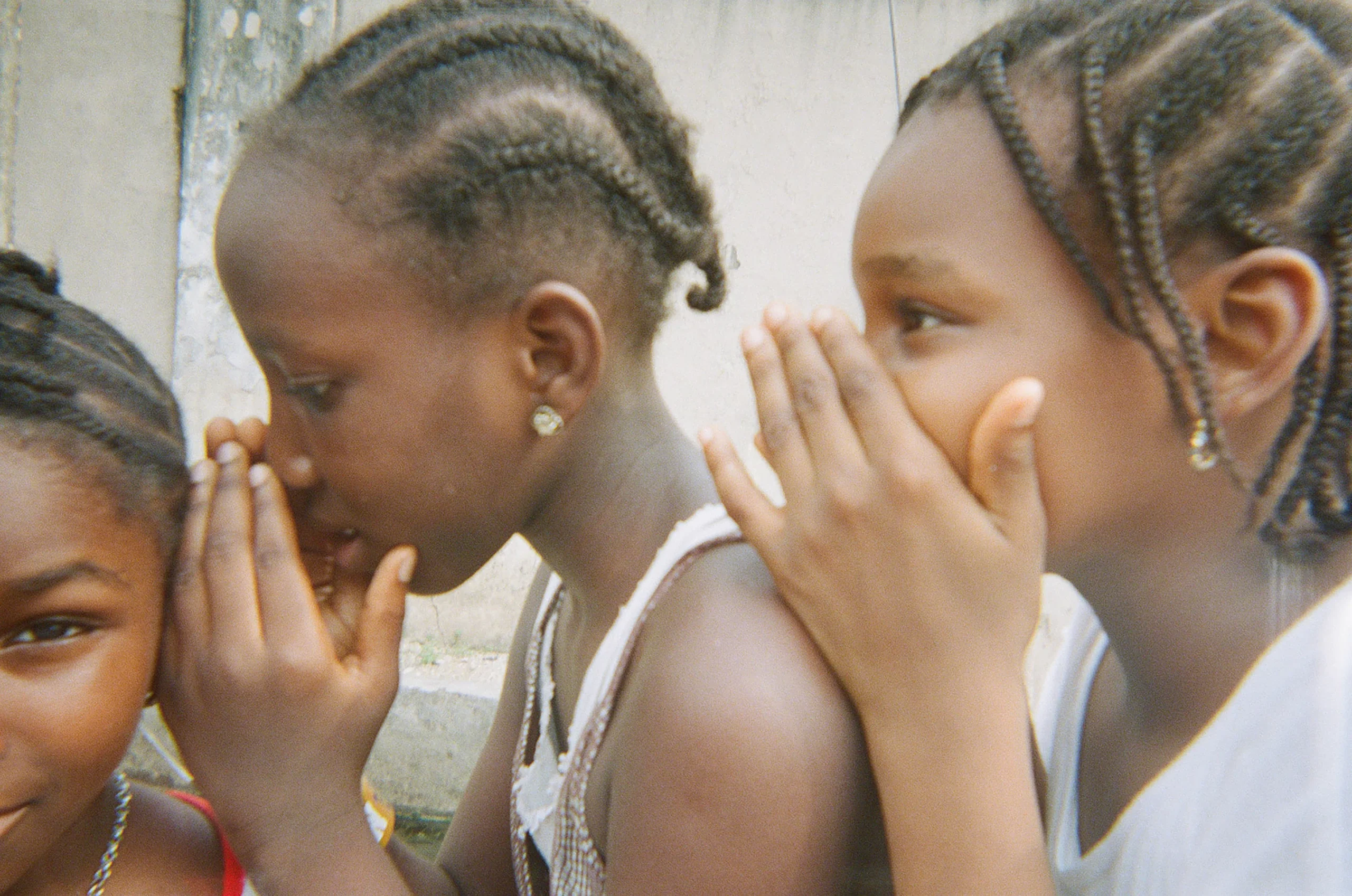
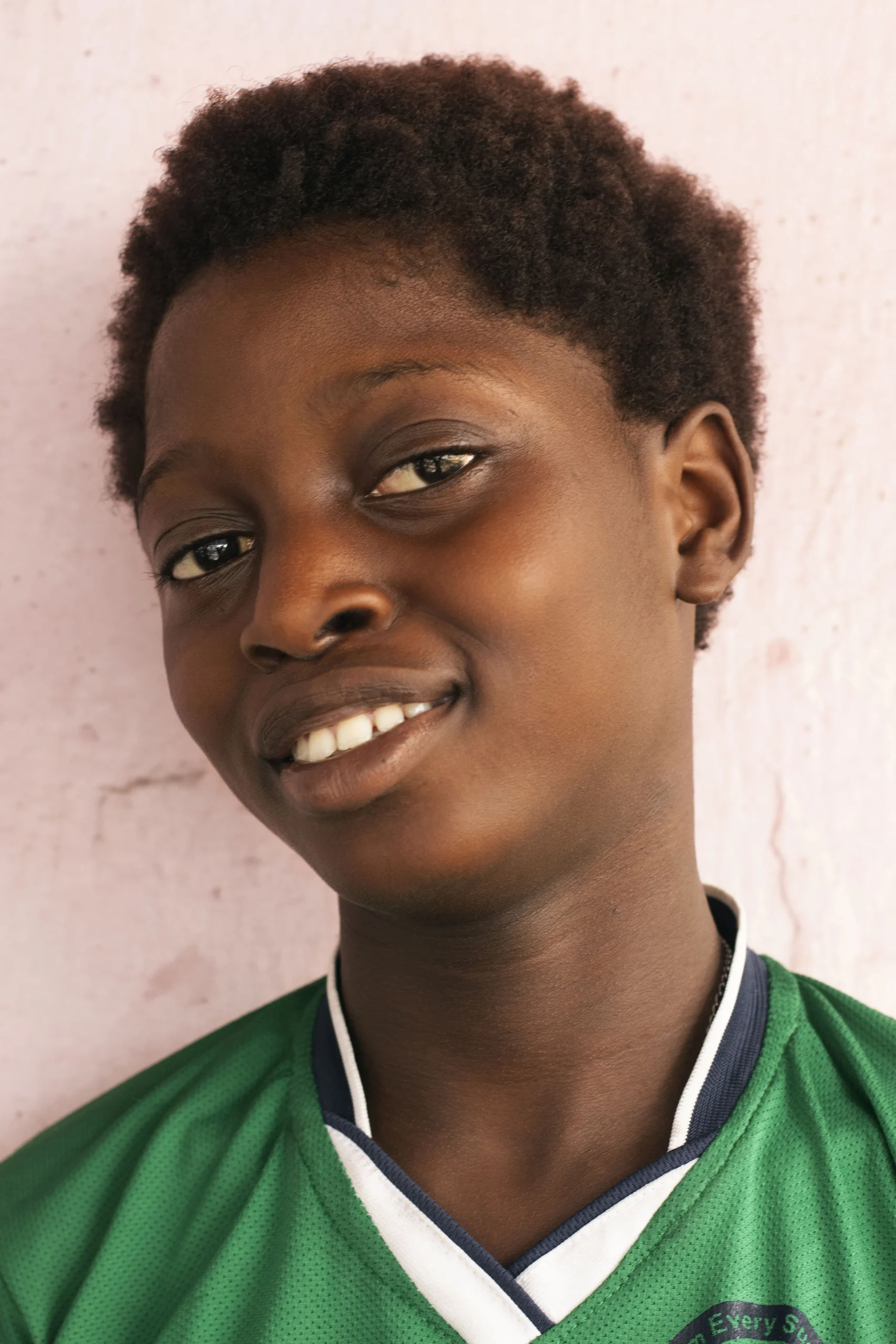
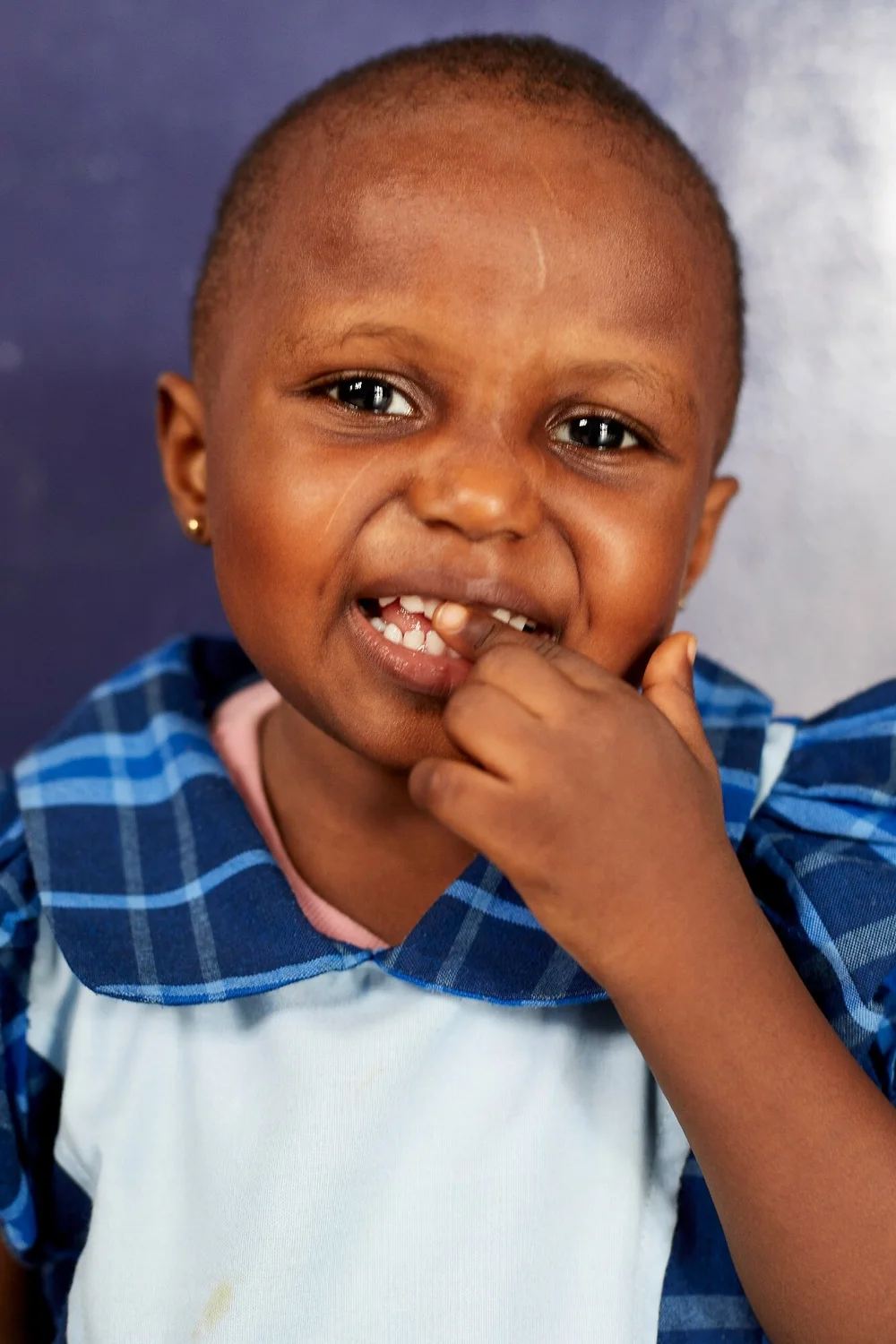
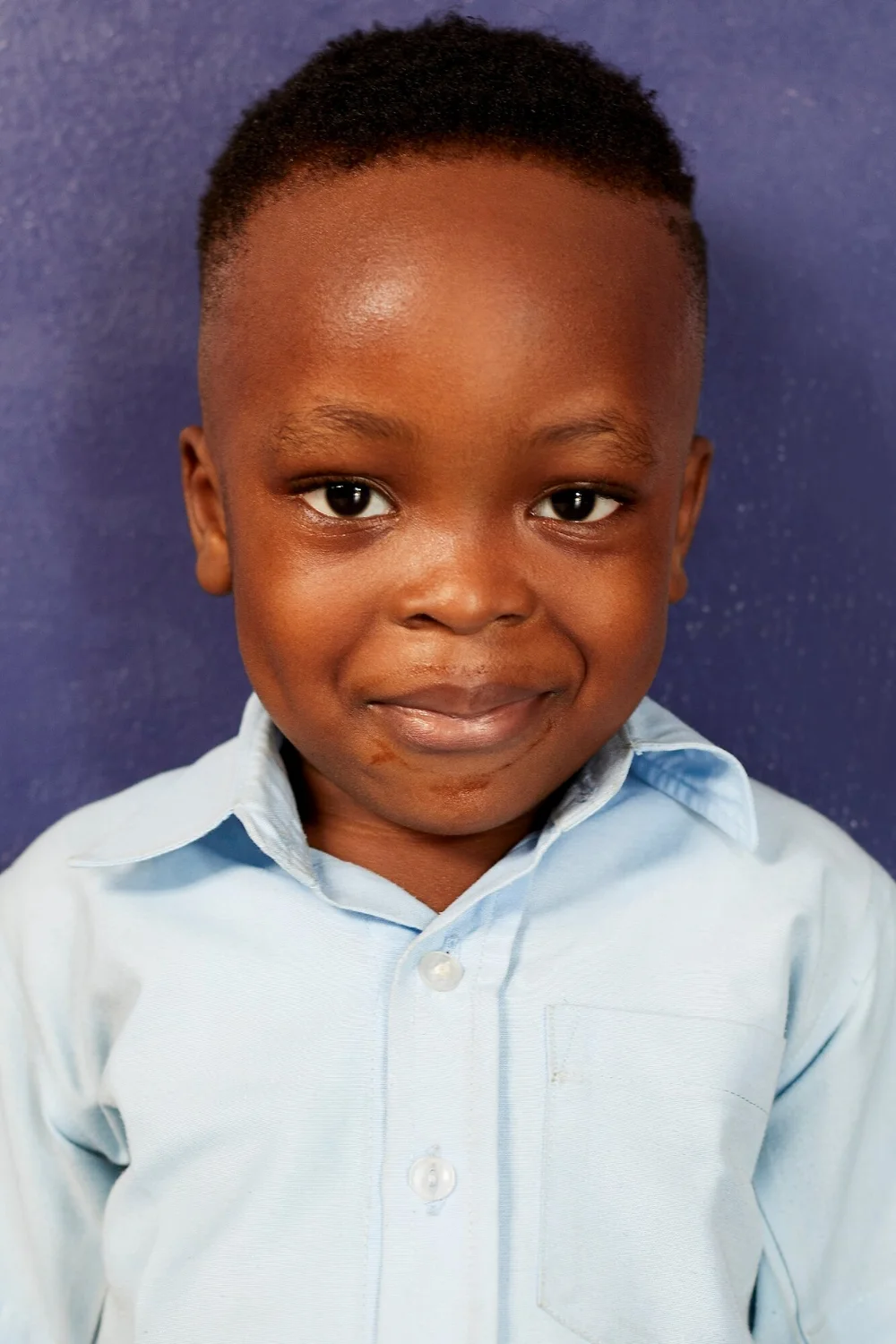
Walking through a school in Surulere, Samuel found herself suspended between familiarity and estrangement, her perception filtered through recollections of growing up in London. That moment, observed, imagined, and felt anchors the project. The photographs are not nostalgic gestures but acts of reconstruction: portraits of children who stand both as themselves and as mirrors of an alternate past. Samuel has described the images as the school photographs she never had, the classmates she never knew, a speculative archive of belonging assembled in real time.
“Here I was walking through a school in Surelere contemplating the childhood that was never mine. At naptime after lunch, I recognised an innocence in the sleeping children, one that I could have possessed. I saw the childhood that everyone else speaks of with such fondness. Comfortable in their surroundings, these children slept peacefully. They were free from judgement: no responsibilities, no qualms. As the children awoke in a place where one could unconsciously submit to dreams confident of return, I recognised a reflection of myself.”
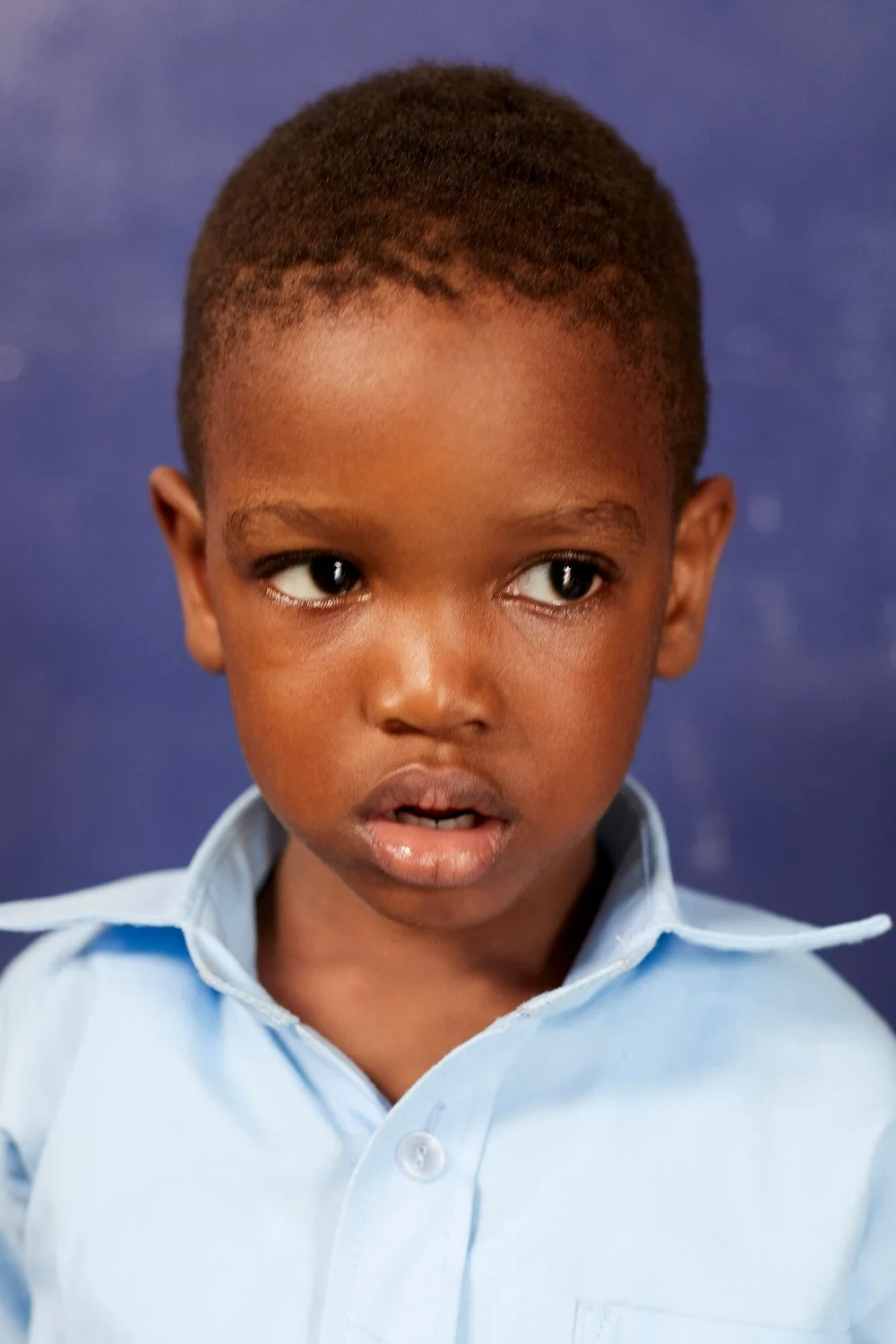
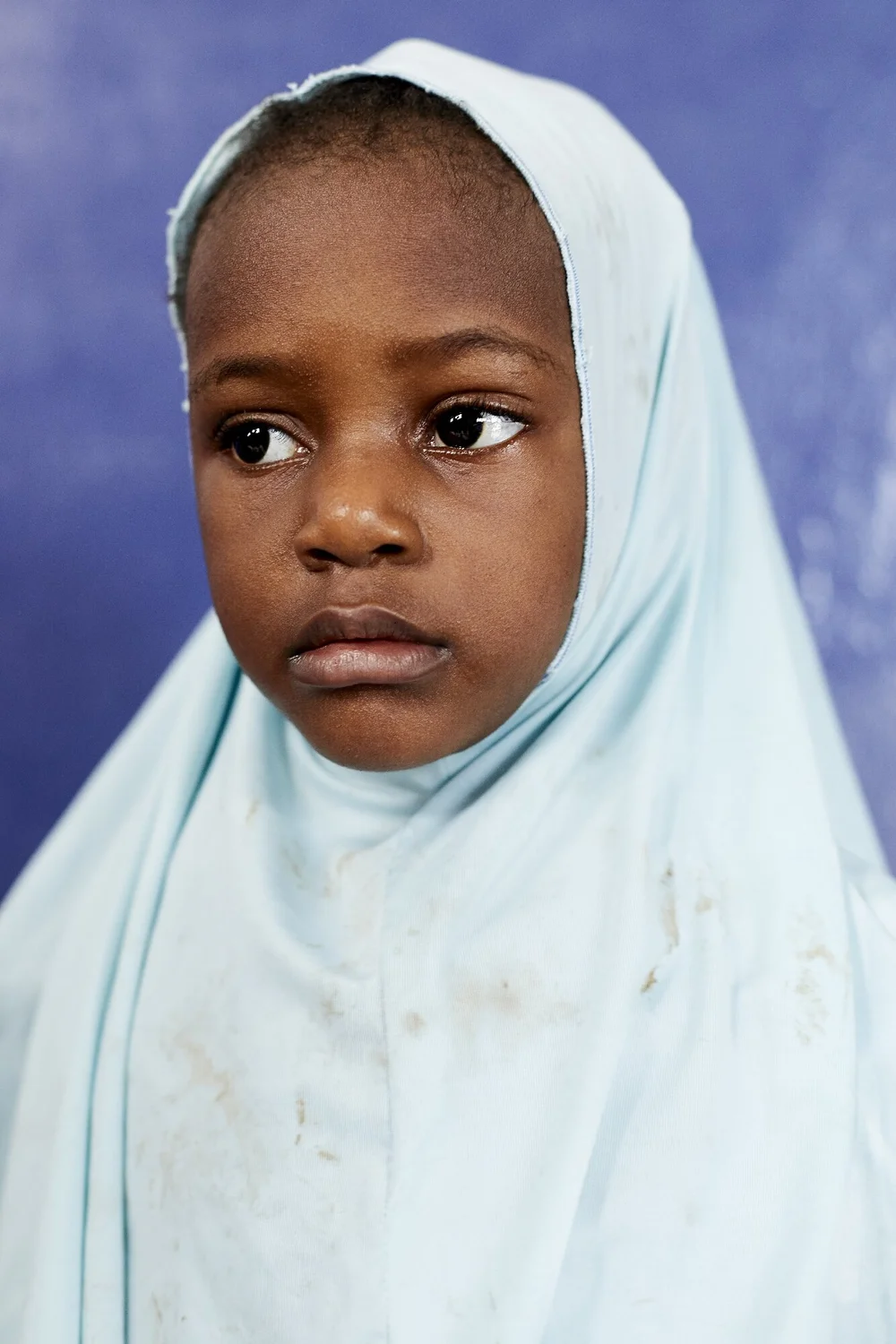
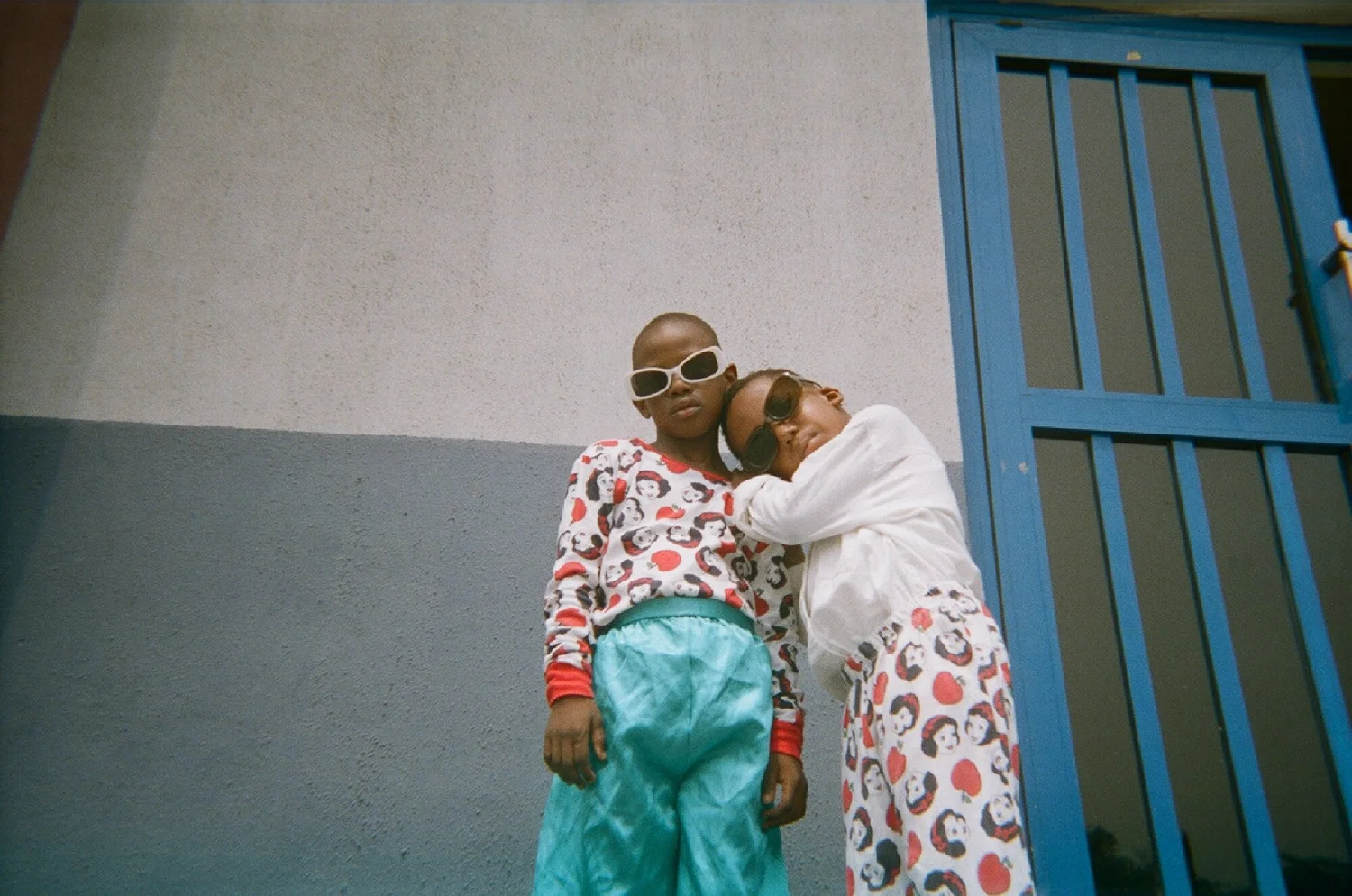
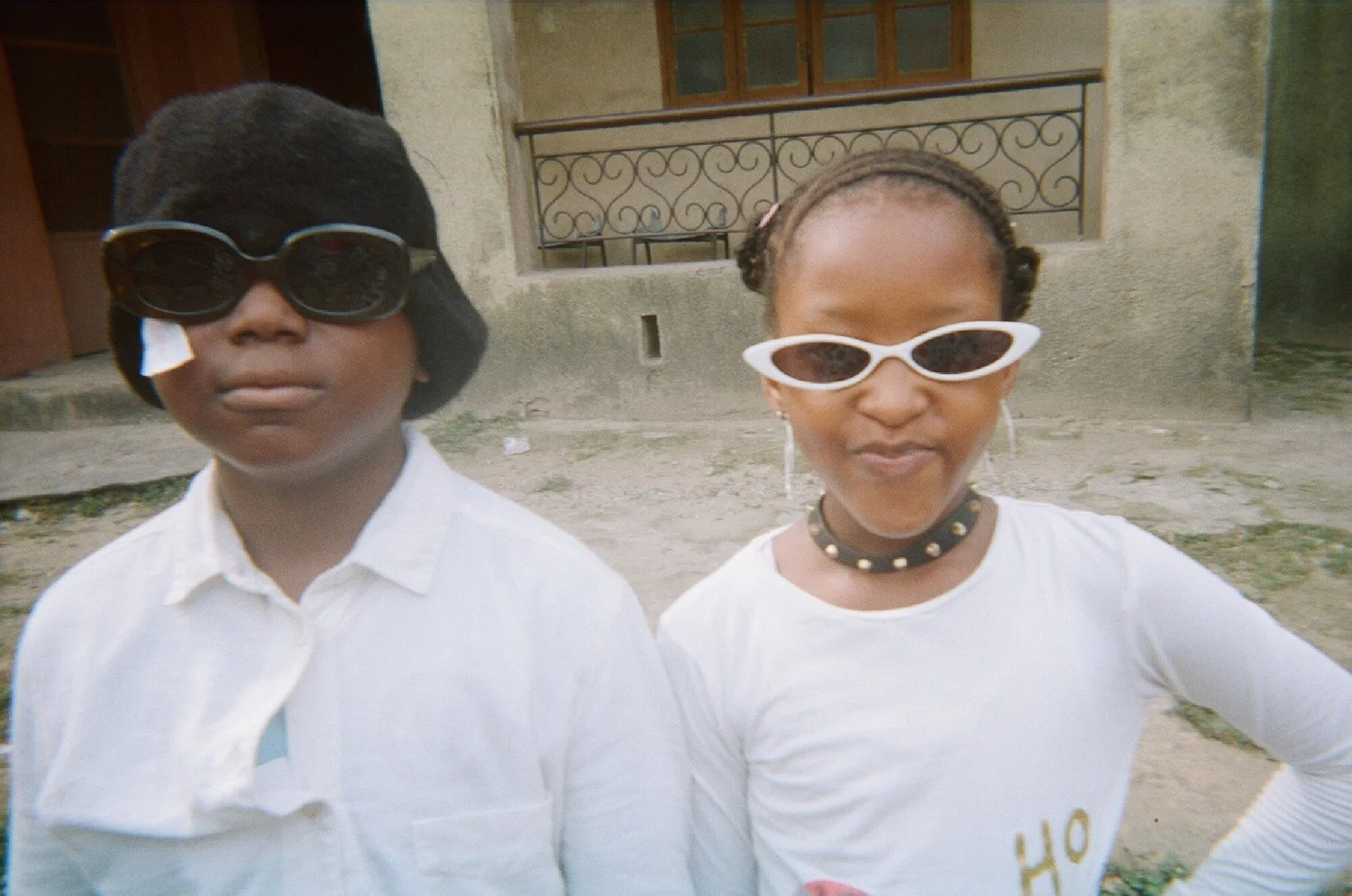
Beyond its autobiographical undertones, Omo Nigeria is also a proposition. In a context where creative subjects remain largely absent from formal curricula across Nigeria, the workshops functioned as early encounters with artistic possibility. Fabric, props, and collaborative direction allowed the children to move fluidly between play and performance, inhabiting imaginative identities while learning how images are constructed. What emerges is a body of work that operates simultaneously as pedagogy, portraiture, and self-reflection- an understated yet pointed argument for why access to creative tools at a young age can shape not only careers, but ways of seeing oneself in the world.
Omo Nigeria is available to purchase here
Rubee Samuel’s tender photographs from a Lagos school ignite visions of creative possibility
In 2019, photographer Rubee Samuel self-funded a return to Lagos to lead photography workshops in two primary schools; an intimate, self-initiated project that would later crystallise into her debut book, Omo Nigeria. The publication assembles portraits, staged scenes, and quiet observational moments shaped through her sessions with the students, whom she introduced to photographic storytelling, styling, and the visual strategies behind editorial image-making. Drawing references from across West Africa, she positioned photography not simply as a technical craft but as a language of imagination and authorship. The book unfolds in two movements, introduced by writer Kelechi Okafor and poet Jolade Olusanya, mirroring Samuel’s own psychological shift during its making. The first half carries the openness of discovery, echoing the sensory attentiveness of childhood; the second reflects a more interior register, shaped by memory, distance, and self-interrogation. What begins as a teaching residency gradually reveals itself as something closer to a personal excavation.
Walking through a school in Surulere, Samuel found herself suspended between familiarity and estrangement, her perception filtered through recollections of growing up in London. That moment, observed, imagined, and felt anchors the project. The photographs are not nostalgic gestures but acts of reconstruction: portraits of children who stand both as themselves and as mirrors of an alternate past. Samuel has described the images as the school photographs she never had, the classmates she never knew, a speculative archive of belonging assembled in real time.
“Here I was walking through a school in Surelere contemplating the childhood that was never mine. At naptime after lunch, I recognised an innocence in the sleeping children, one that I could have possessed. I saw the childhood that everyone else speaks of with such fondness. Comfortable in their surroundings, these children slept peacefully. They were free from judgement: no responsibilities, no qualms. As the children awoke in a place where one could unconsciously submit to dreams confident of return, I recognised a reflection of myself.”
Beyond its autobiographical undertones, Omo Nigeria is also a proposition. In a context where creative subjects remain largely absent from formal curricula across Nigeria, the workshops functioned as early encounters with artistic possibility. Fabric, props, and collaborative direction allowed the children to move fluidly between play and performance, inhabiting imaginative identities while learning how images are constructed. What emerges is a body of work that operates simultaneously as pedagogy, portraiture, and self-reflection- an understated yet pointed argument for why access to creative tools at a young age can shape not only careers, but ways of seeing oneself in the world.
Omo Nigeria is available to purchase here