SANLÉ SORY: COLOUR YEARS
At The Photographers’ Gallery, unseen colour portraits offer a new way into Sanlé Sory’s six-decade practice
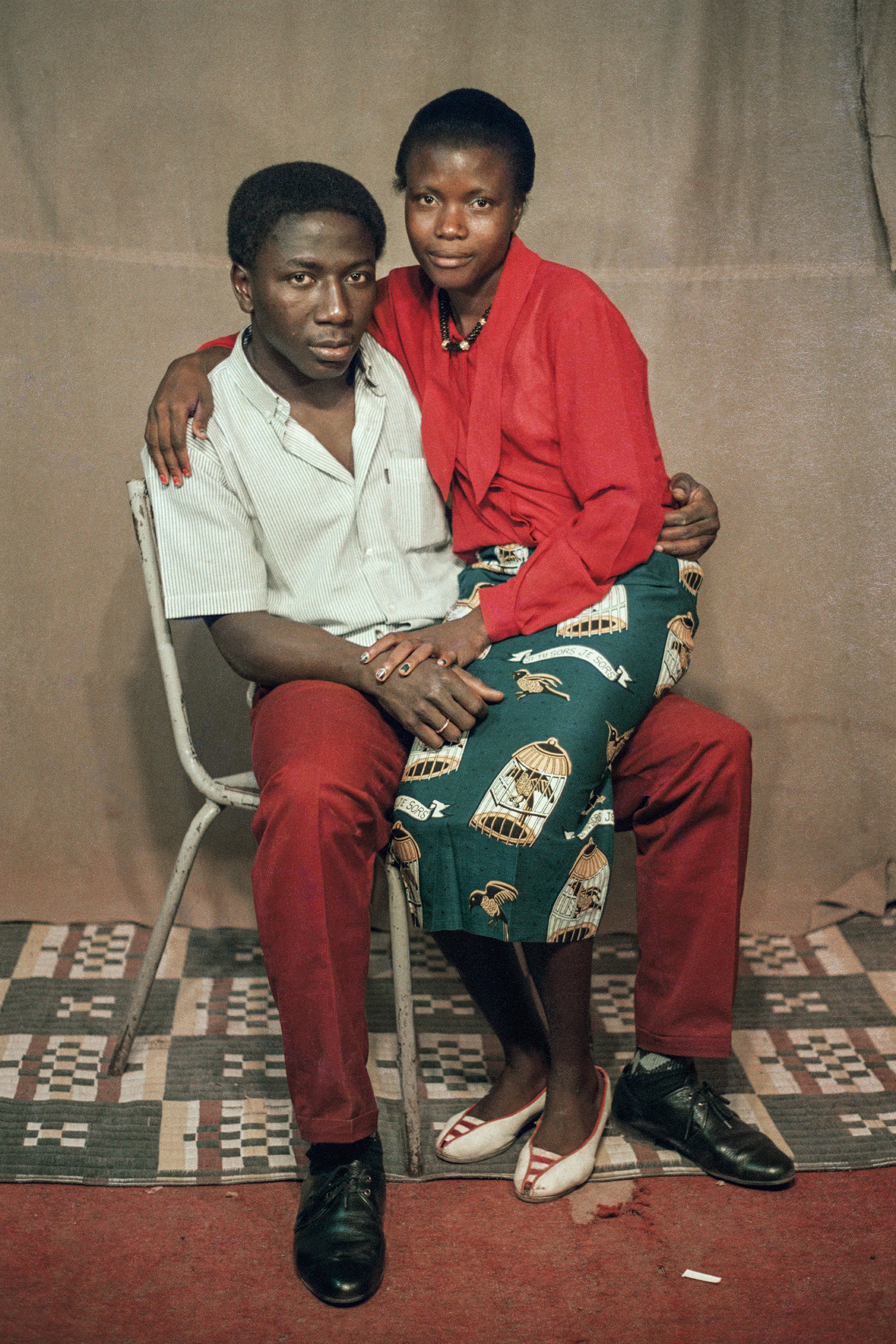
You may already know Sanlé Sory for his expressive studio portraits of 1960s and 70s Bobo-Dioulasso: sharply dressed young people, couples, friends and families posing against painted backdrops, caught in the optimism and possibility of a newly independent Burkina Faso. These black-and-white photographs have become some of the defining images of post-independence West African photography. Less familiar, however, is what came next. From the mid-1980s onwards, Sory increasingly worked in colour, continuing to photograph the people around him as the social and cultural landscape of Burkina Faso shifted. His colour negatives, many of which have only recently been restored from his archive, are now at the centre of Sanlé Sory: Colour Years, opening at The Photographers’ Gallery in London this October. Curated by Taous Dahmani, the exhibition brings together his colour studio portraits with photographs of traders and shopkeepers, as well as record covers connected to Bobo-Dioulasso’s post-independence music scene, including the influential Volta Jazz. The shift to colour was more than a change in photographic process. It coincided with a period in which the world around Sory was changing rapidly : politically, culturally and visually. The clothes people wore, the music they listened to and the ways they presented themselves were evolving, and the studio remained a place where those changes could be seen and shaped. In these photographs, colour becomes part of the story of a generation negotiating its place within a changing Burkina Faso.
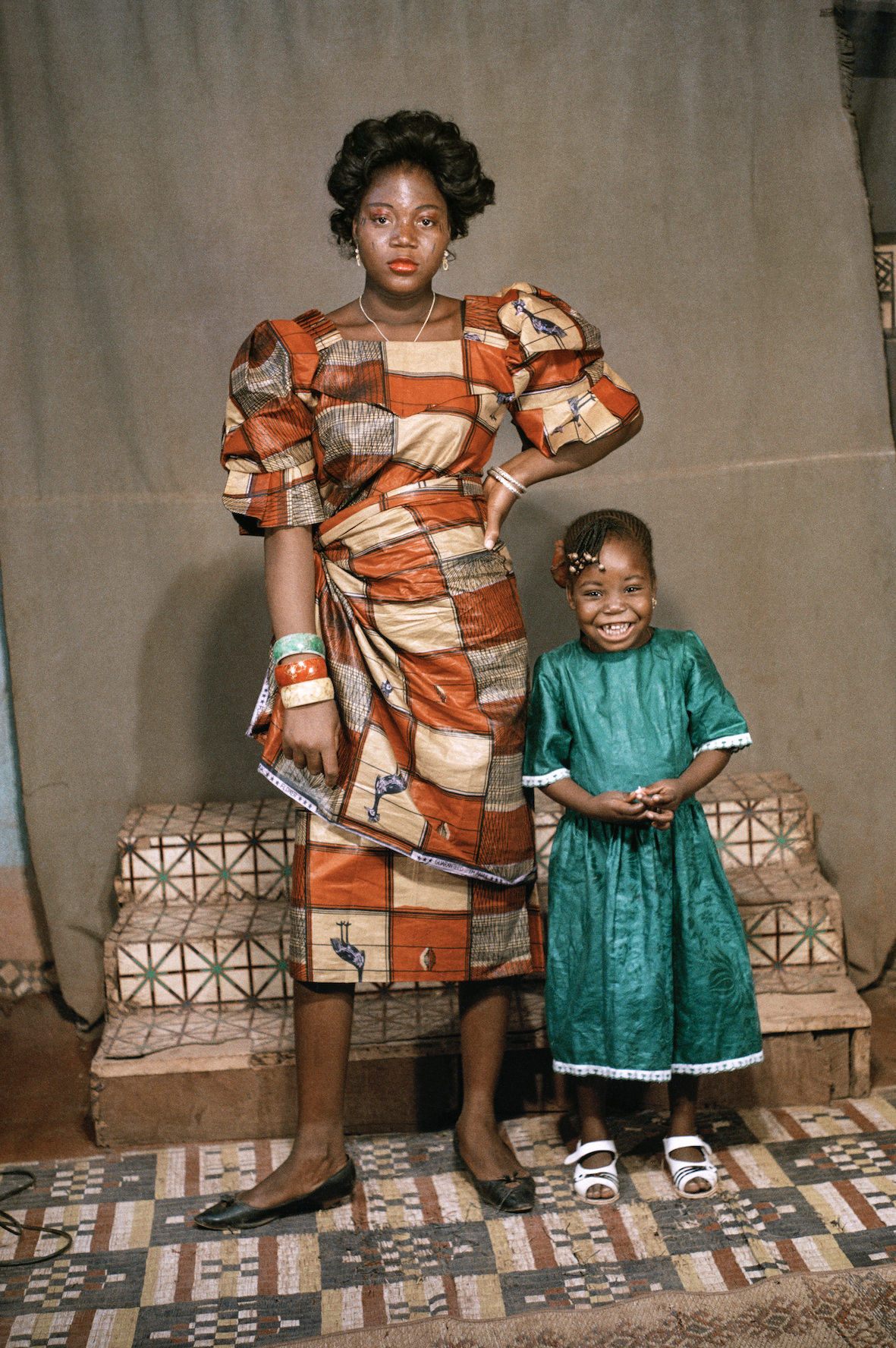
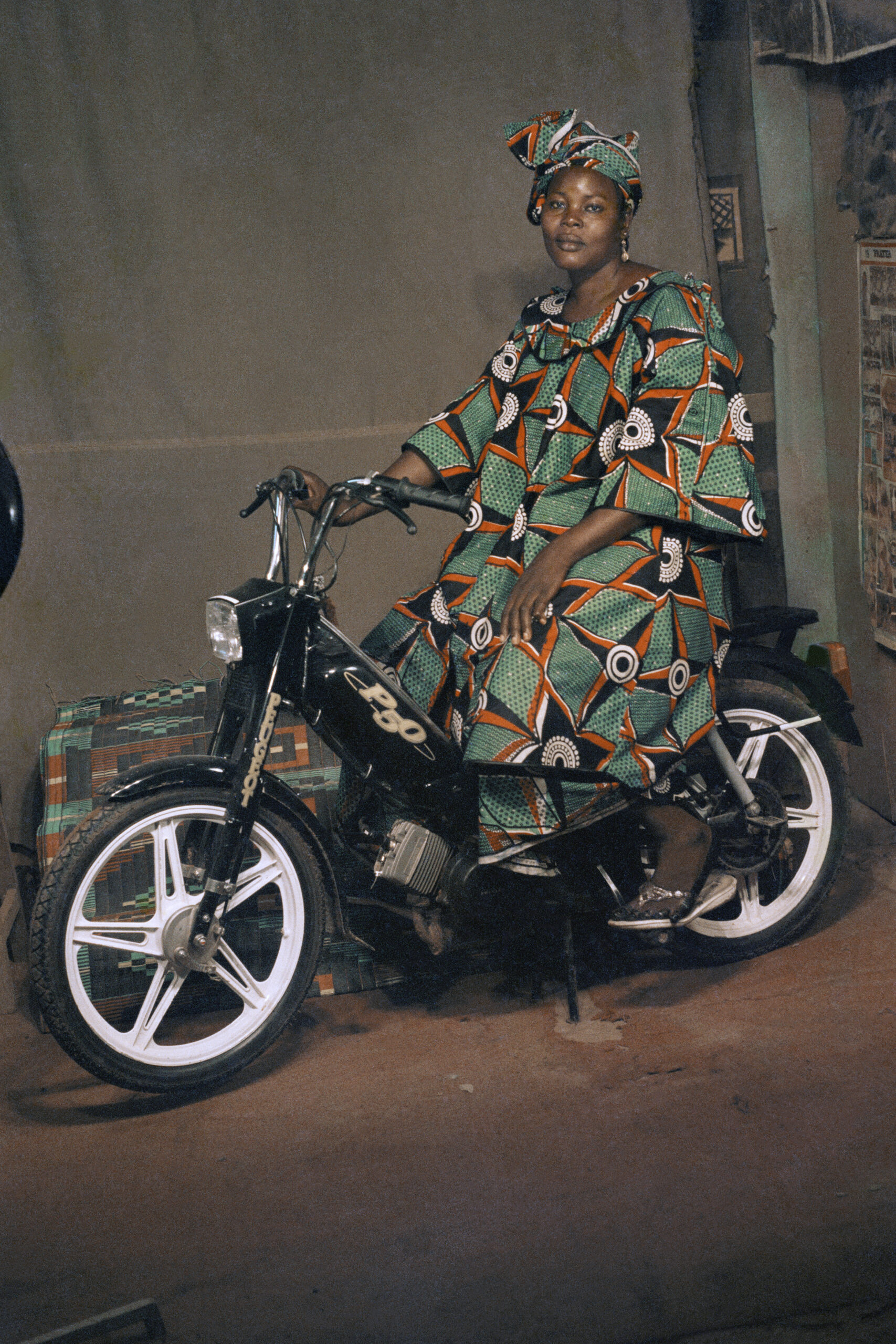
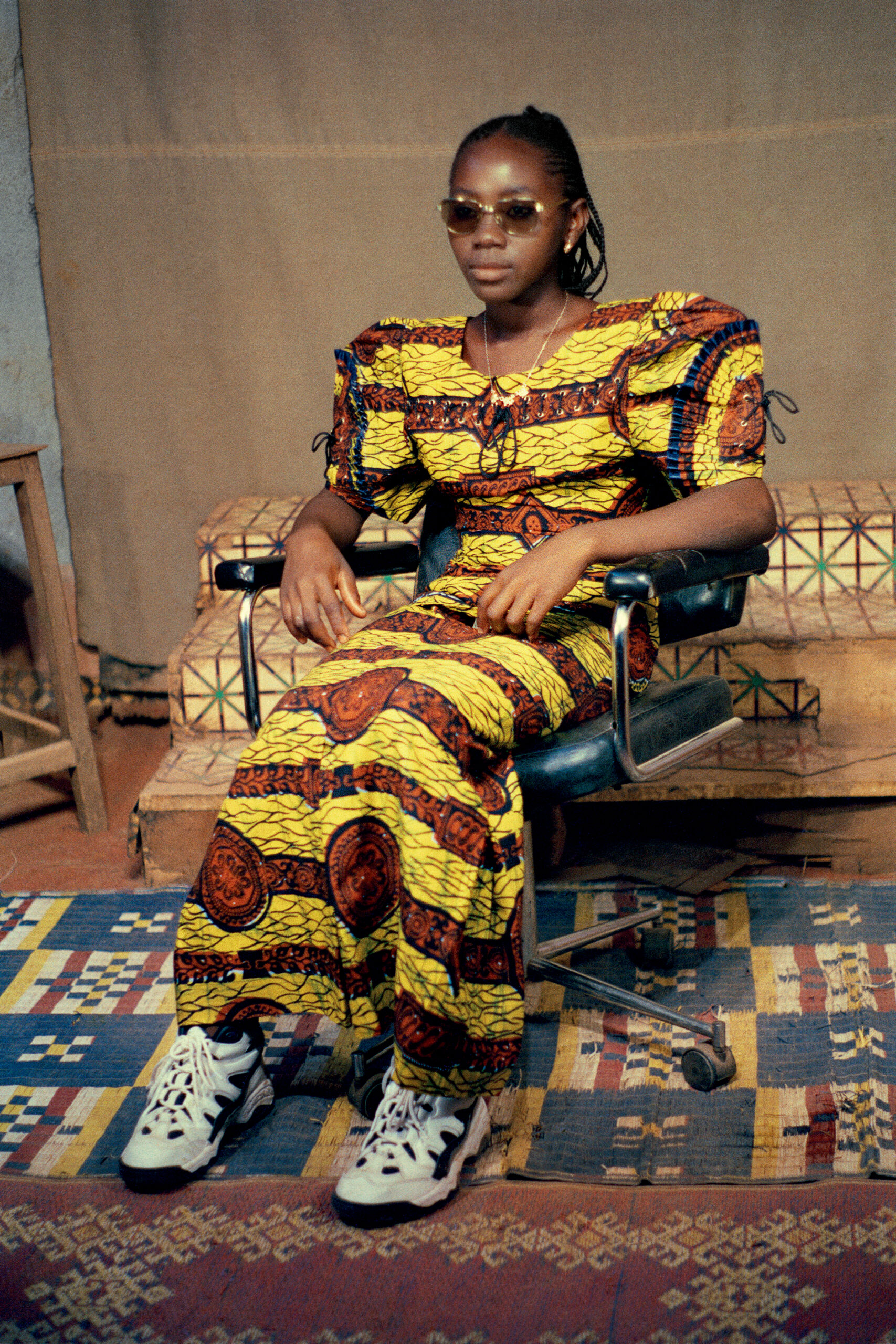
For Dahmani, encountering the depth of Sory’s colour archive offered a different way into a practice that has largely been understood through its monochrome photographs. “It began with a handful of contemporary prints,” she says. “Then I had the privilege of delving into his boxes of negatives: thousands upon thousands of colour portraits, radiating an energy quite unlike his black-and-white work.” Sory began photographing in 1960, the year Upper Volta gained independence from France, and opened Volta Photo Studio in Bobo-Dioulasso soon after. Over the following six decades, his camera remained closely connected to the people and places around him, moving through successive periods of political and cultural change. His studio became a space where people could document weddings, friendships and milestones, but also experiment with how they wanted to be seen. That sense of self-fashioning becomes especially vivid in the colour photographs. Sory understood the transformative power of clothing, pose and setting. He kept suits, shirts and ties for clients to wear and even had make-up available. Sitters could choose from his wardrobe or arrive in their own clothes, bringing their own sense of style into the frame.
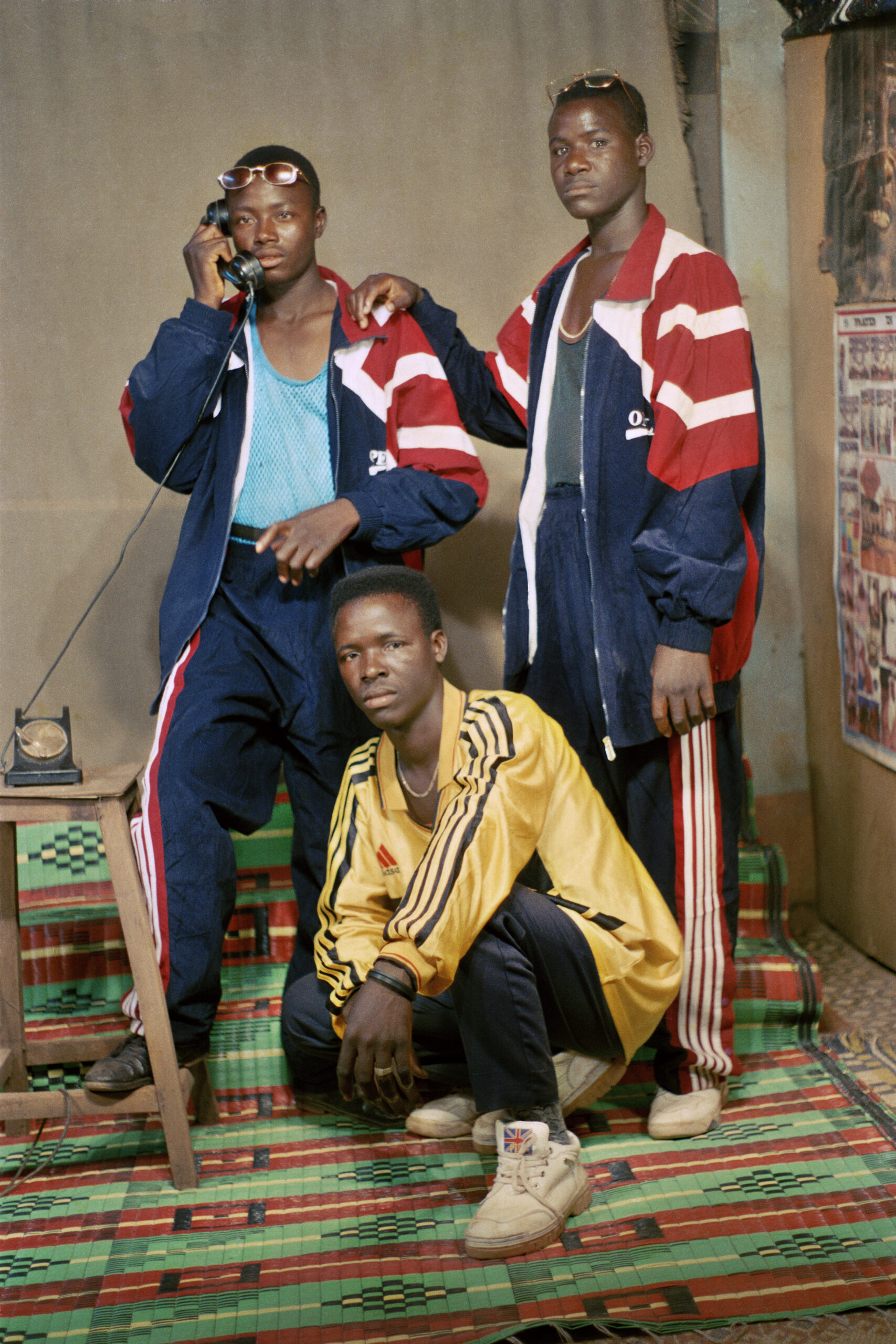
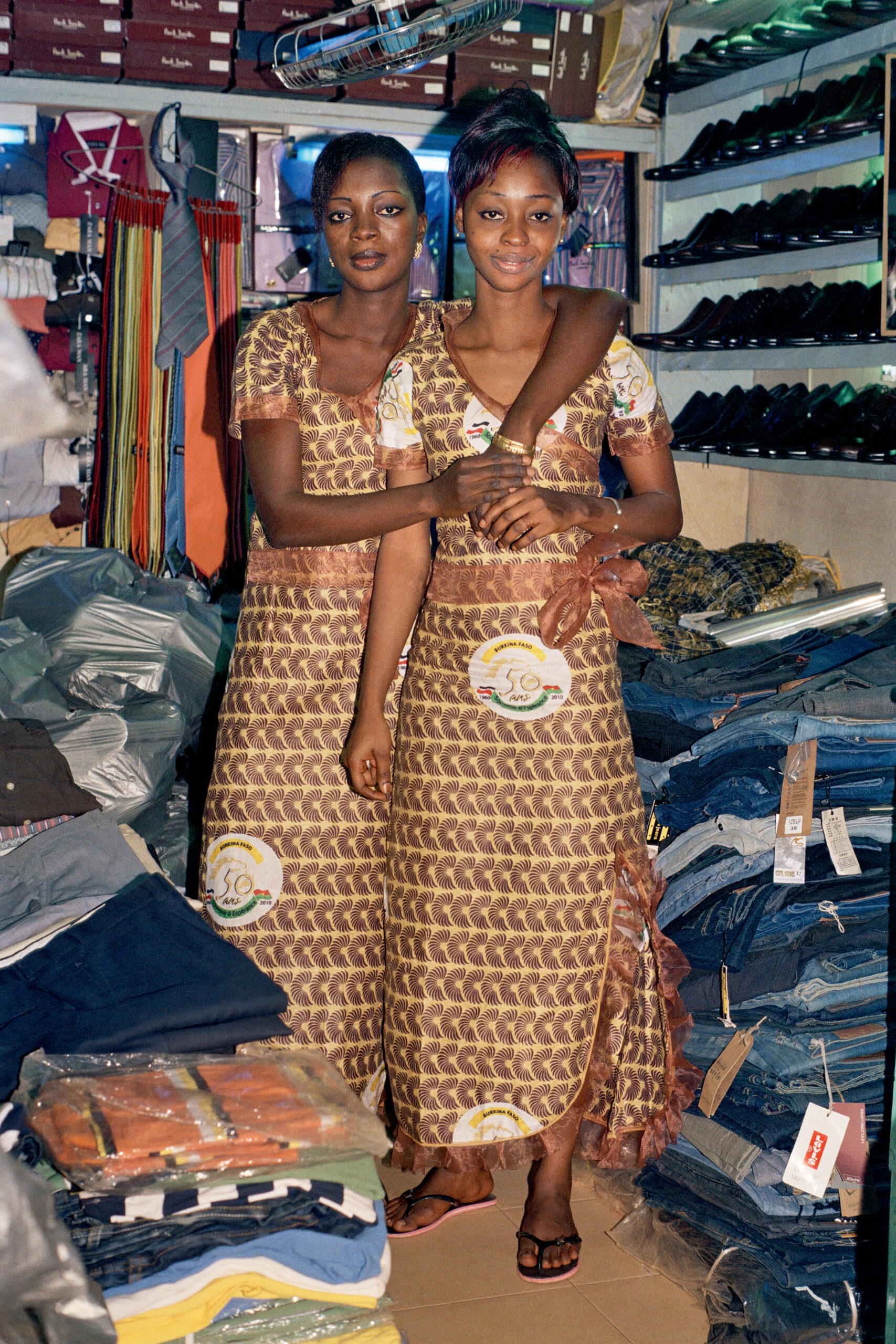
“Sory was, and still is, a deeply stylish man,” Dahmani says. “He understood that people came to his studio for an experience, and to leave with a slightly idealised image of themselves, or simply the very best version of who they were.”
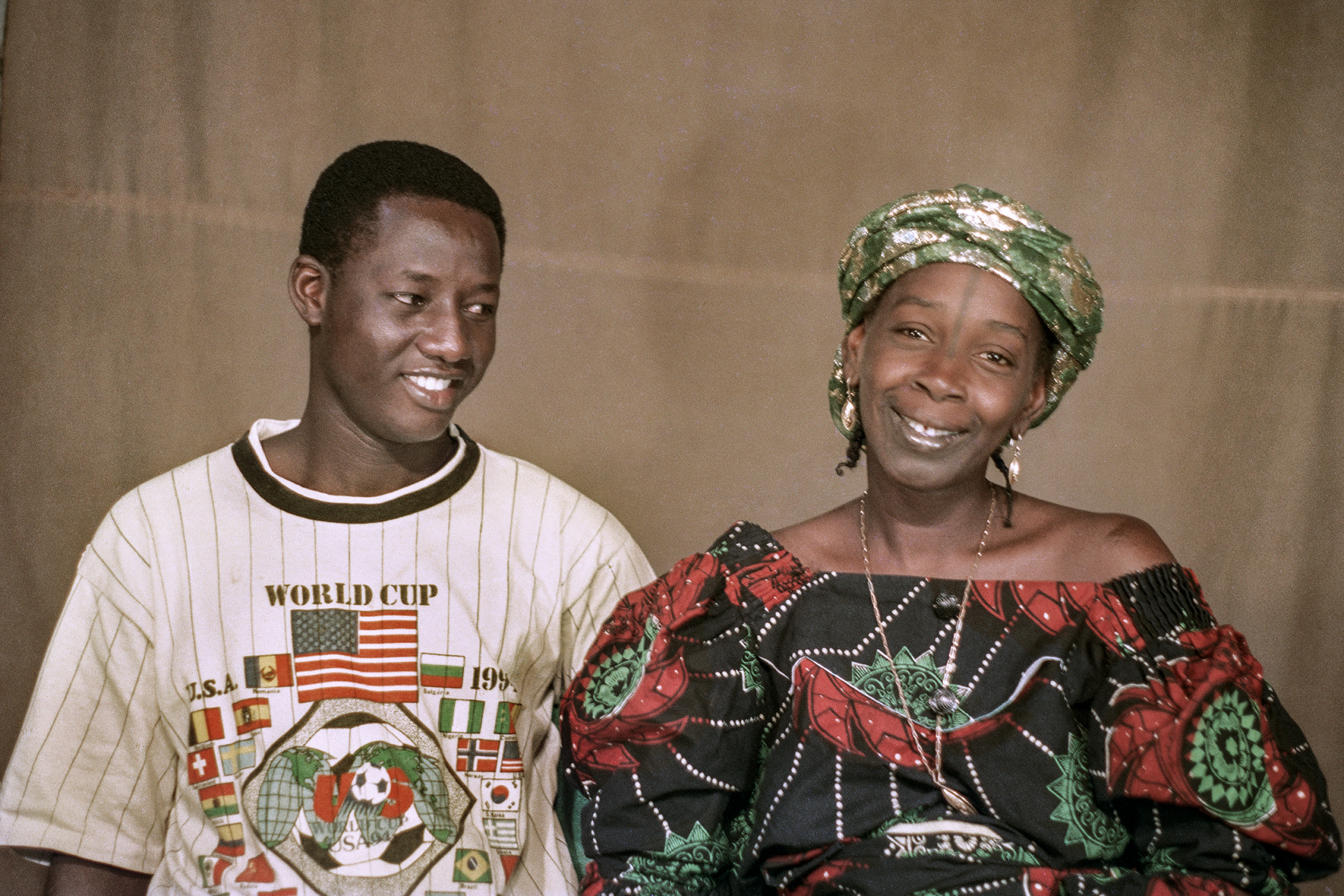
From the late 1980s through the 1990s and beyond, the visual language around Sory was changing. Hip hop and rap were influencing youth culture, while sportswear and new styles of dress became increasingly visible. These shifts entered the studio alongside existing forms of local style, giving Sory’s colour portraits a distinctly contemporary energy. His photographs captured a generation becoming increasingly conscious of how it wanted to present itself. Colour was central to that transformation. For Dahmani, Sory’s sitters were not simply choosing a different photographic process; they were asking him to keep pace with a changing world. “In asking for colour,” she explains, “Sory's sitters were asking him to keep pace with technology, and with a new generation eager to belong to a contemporary vision of Burkina Faso and West Africa.” Music was equally important to this cultural landscape. Sory’s relationship with Volta Jazz, including his photographs for their record covers, connects his studio practice to the music and graphic culture of post-independence Bobo-Dioulasso. “Sory loved music and he loved a party,” Dahmani says. “He knew exactly what an image needed to capture that spirit.” The photographs also move through the revolutionary era of Thomas Sankara, the post-revolutionary 1990s and the increasingly globalised decades that followed. Fashion, music and new forms of self-presentation continued to reshape the studio, while Sory remained attentive to the individuality of his sitters. As Dahmani puts it, “If Sory's black-and-white photographs record a generation performing modern life within inherited colonial frameworks, his colour years belong to a moment when modernity itself was being redefined.” Seen together, these photographs offer another way into Sory’s six-decade practice. The studio was not simply a place to make portraits, but a space where people could experiment with style, identity and how they wanted to be seen. At The Photographers’ Gallery, Colour Years brings this body of work into focus, revealing a photographer continually responding to the world around him, and to the people who came through his door.
Sanlé Sory: Colour Years is on view at The Photographers’ Gallery, London, from 14 October 2026 to 21 February 2027. Image credit: Sanlé Sory
Volta Photo Studio, Bobo-Dioulasso, Burkina Faso © Sanlé Sory, 2026. Courtesy of Tezeta.
At The Photographers’ Gallery, unseen colour portraits offer a new way into Sanlé Sory’s six-decade practice
You may already know Sanlé Sory for his expressive studio portraits of 1960s and 70s Bobo-Dioulasso: sharply dressed young people, couples, friends and families posing against painted backdrops, caught in the optimism and possibility of a newly independent Burkina Faso. These black-and-white photographs have become some of the defining images of post-independence West African photography. Less familiar, however, is what came next. From the mid-1980s onwards, Sory increasingly worked in colour, continuing to photograph the people around him as the social and cultural landscape of Burkina Faso shifted. His colour negatives, many of which have only recently been restored from his archive, are now at the centre of Sanlé Sory: Colour Years, opening at The Photographers’ Gallery in London this October. Curated by Taous Dahmani, the exhibition brings together his colour studio portraits with photographs of traders and shopkeepers, as well as record covers connected to Bobo-Dioulasso’s post-independence music scene, including the influential Volta Jazz. The shift to colour was more than a change in photographic process. It coincided with a period in which the world around Sory was changing rapidly : politically, culturally and visually. The clothes people wore, the music they listened to and the ways they presented themselves were evolving, and the studio remained a place where those changes could be seen and shaped. In these photographs, colour becomes part of the story of a generation negotiating its place within a changing Burkina Faso.
For Dahmani, encountering the depth of Sory’s colour archive offered a different way into a practice that has largely been understood through its monochrome photographs. “It began with a handful of contemporary prints,” she says. “Then I had the privilege of delving into his boxes of negatives: thousands upon thousands of colour portraits, radiating an energy quite unlike his black-and-white work.” Sory began photographing in 1960, the year Upper Volta gained independence from France, and opened Volta Photo Studio in Bobo-Dioulasso soon after. Over the following six decades, his camera remained closely connected to the people and places around him, moving through successive periods of political and cultural change. His studio became a space where people could document weddings, friendships and milestones, but also experiment with how they wanted to be seen. That sense of self-fashioning becomes especially vivid in the colour photographs. Sory understood the transformative power of clothing, pose and setting. He kept suits, shirts and ties for clients to wear and even had make-up available. Sitters could choose from his wardrobe or arrive in their own clothes, bringing their own sense of style into the frame.
“Sory was, and still is, a deeply stylish man,” Dahmani says. “He understood that people came to his studio for an experience, and to leave with a slightly idealised image of themselves, or simply the very best version of who they were.”
From the late 1980s through the 1990s and beyond, the visual language around Sory was changing. Hip hop and rap were influencing youth culture, while sportswear and new styles of dress became increasingly visible. These shifts entered the studio alongside existing forms of local style, giving Sory’s colour portraits a distinctly contemporary energy. His photographs captured a generation becoming increasingly conscious of how it wanted to present itself. Colour was central to that transformation. For Dahmani, Sory’s sitters were not simply choosing a different photographic process; they were asking him to keep pace with a changing world. “In asking for colour,” she explains, “Sory's sitters were asking him to keep pace with technology, and with a new generation eager to belong to a contemporary vision of Burkina Faso and West Africa.” Music was equally important to this cultural landscape. Sory’s relationship with Volta Jazz, including his photographs for their record covers, connects his studio practice to the music and graphic culture of post-independence Bobo-Dioulasso. “Sory loved music and he loved a party,” Dahmani says. “He knew exactly what an image needed to capture that spirit.” The photographs also move through the revolutionary era of Thomas Sankara, the post-revolutionary 1990s and the increasingly globalised decades that followed. Fashion, music and new forms of self-presentation continued to reshape the studio, while Sory remained attentive to the individuality of his sitters. As Dahmani puts it, “If Sory's black-and-white photographs record a generation performing modern life within inherited colonial frameworks, his colour years belong to a moment when modernity itself was being redefined.” Seen together, these photographs offer another way into Sory’s six-decade practice. The studio was not simply a place to make portraits, but a space where people could experiment with style, identity and how they wanted to be seen. At The Photographers’ Gallery, Colour Years brings this body of work into focus, revealing a photographer continually responding to the world around him, and to the people who came through his door.
Sanlé Sory: Colour Years is on view at The Photographers’ Gallery, London, from 14 October 2026 to 21 February 2027. Image credit: Sanlé Sory
Volta Photo Studio, Bobo-Dioulasso, Burkina Faso © Sanlé Sory, 2026. Courtesy of Tezeta.