SEYDOU KEÏTA: A TACTILE LENS
The legendary photographer’s revelatory portraits of Malian life sit within a major retrospective at the Brooklyn Museum
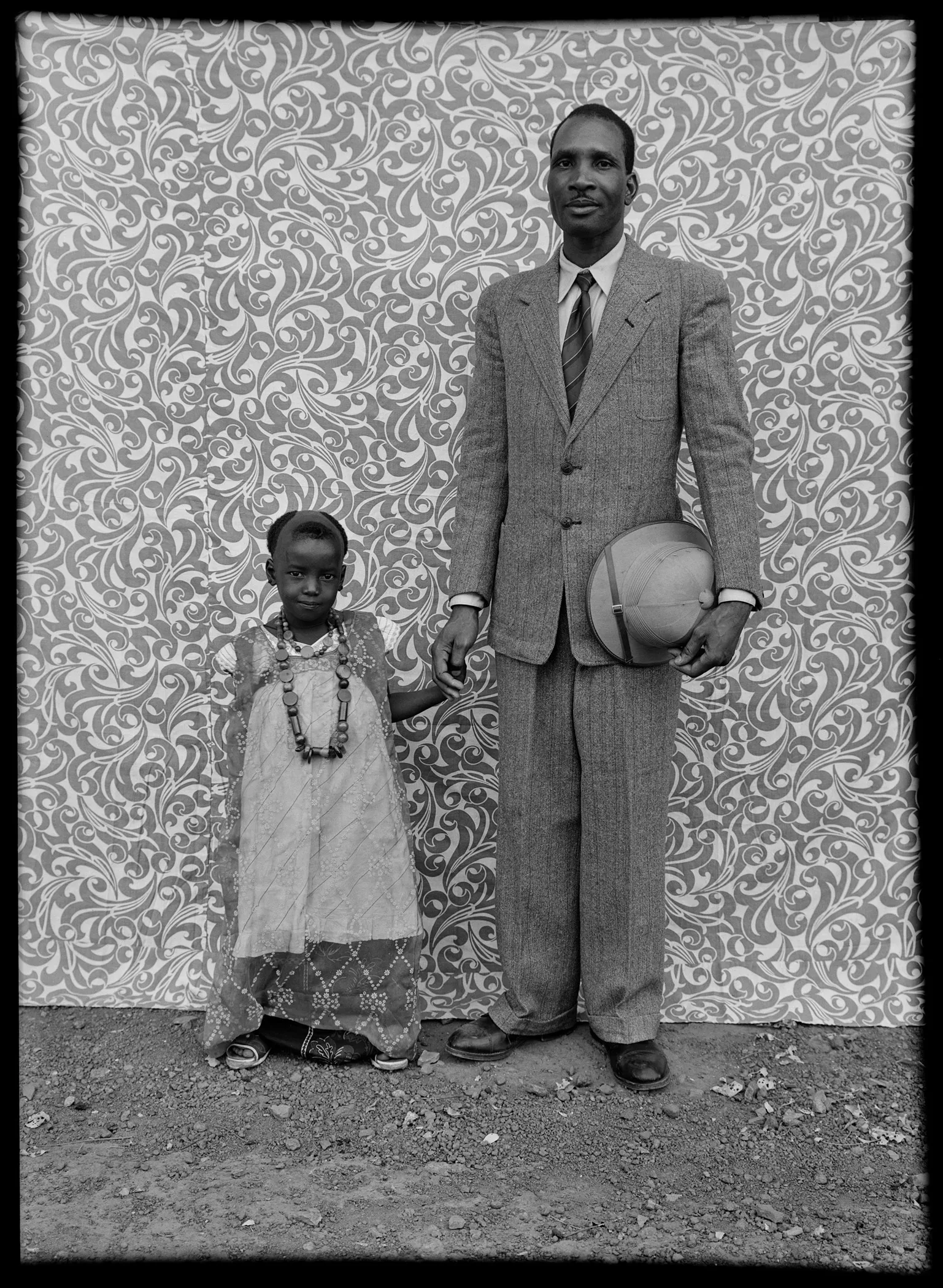
In the late 1940s, in Bamako, Seydou Keïta opened a studio that would become both a creative hub and a cultural archive. Working through the decades leading up to and just after Mali’s independence in 1960, he photographed a society in transition; families, workers, couples, and individuals arriving not only to be captured, but to define how they wished to be seen. What distinguishes Keïta’s practice is its collaborative nature. His sitters played an active role in shaping their portraits, selecting from an array of patterned textiles, accessories, and props- radios, bicycles, watches, that reflected both personal aspiration and broader social change. These carefully composed images balance elegance and intimacy, offering a nuanced record of a generation navigating the shift from colonial rule to independence. Now presented at the Brooklyn Museum and curated by Catherine E. McKinley, Seydou Keïta: A Tactile Lens is the most expansive North American exhibition dedicated to the artist to date. Bringing together over 280 works including vintage prints, rarely seen photographs, textiles, and personal artefacts, the exhibition offers a rich and immersive insight into Keïta’s world and process.
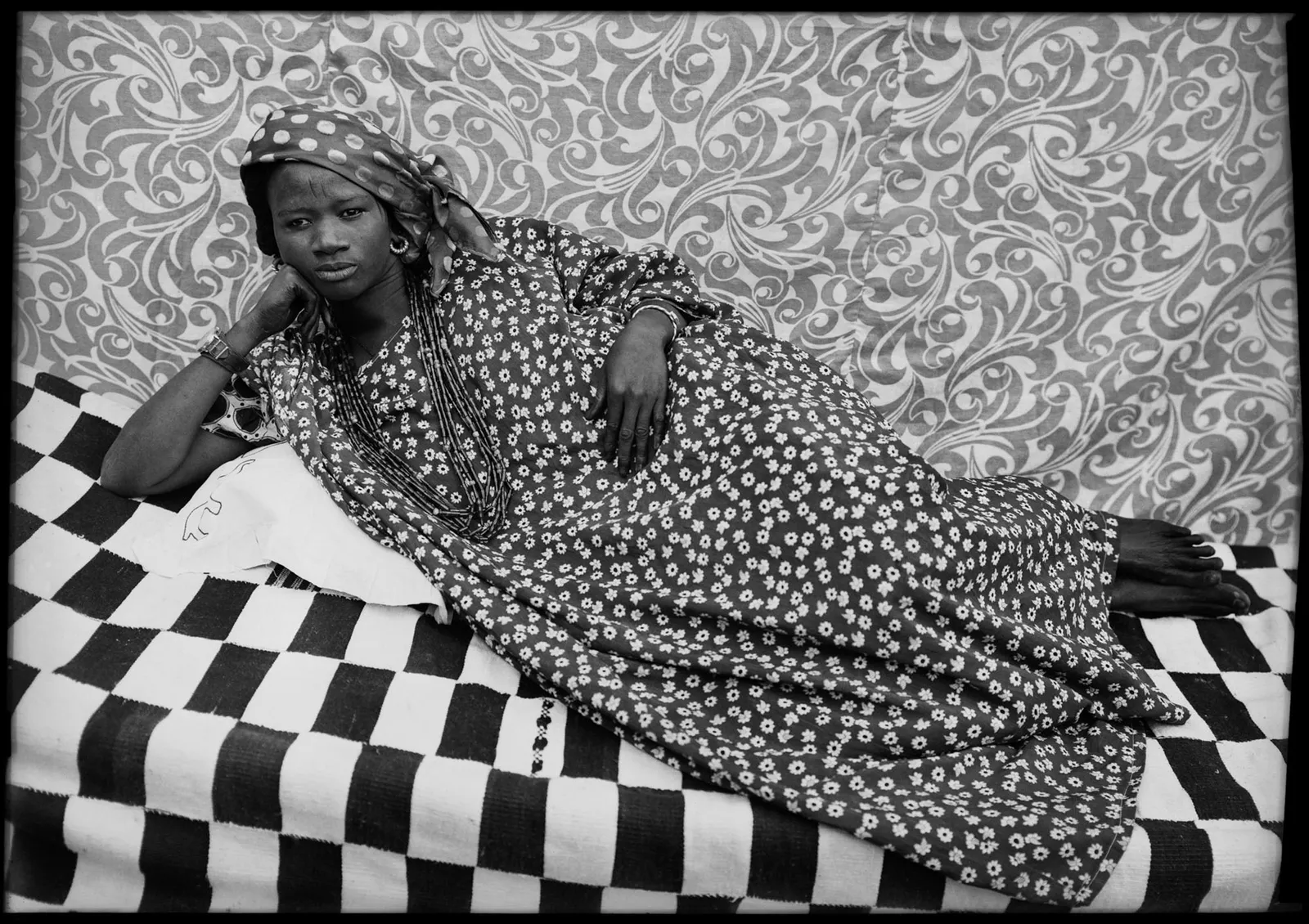
Seydou Keïta. Untitled, 1953–57, printed ca. 1994–2001. Gelatin silver print. Courtesy of The Jean Pigozzi African Art Collection. © SKPEAC/Seydou Keïta, courtesy The Jean Pigozzi Collection of African Art and Danziger Gallery, NY
Born in 1921, Keïta’s entry into photography was shaped by both craft and opportunity. Initially trained as a carpenter, he later received a Kodak Brownie camera, an instrument that would redirect his trajectory. By 1948, he had opened his own studio in Bamako, where he quickly developed a reputation for his technical precision and refined aesthetic sensibility. His images circulated widely across Mali and West Africa, becoming sought-after keepsakes that captured personal milestones and everyday life. Texture plays a central role in his visual language. The interplay of fabrics, surfaces, and materials; embroidered cloth, patterned textiles, polished leather, creates a tactile richness that gives each image a sense of immediacy. It is through these details that Keïta’s work moves beyond documentation, becoming something experiential. The photographs feel grounded, almost palpable, as if they hold the memory of the moment within their surfaces. For decades, Keïta’s work remained largely within regional circulation. It was only in the early 1990s that his photographs reached audiences in Europe and the United States, where they were met with critical acclaim. This introduction placed his work within a broader global conversation on portraiture, aligning him with influential figures such as August Sander, Irving Penn, and Richard Avedon. Yet Keïta’s work retains a distinct voice, one rooted in collaboration, community, and lived experience.
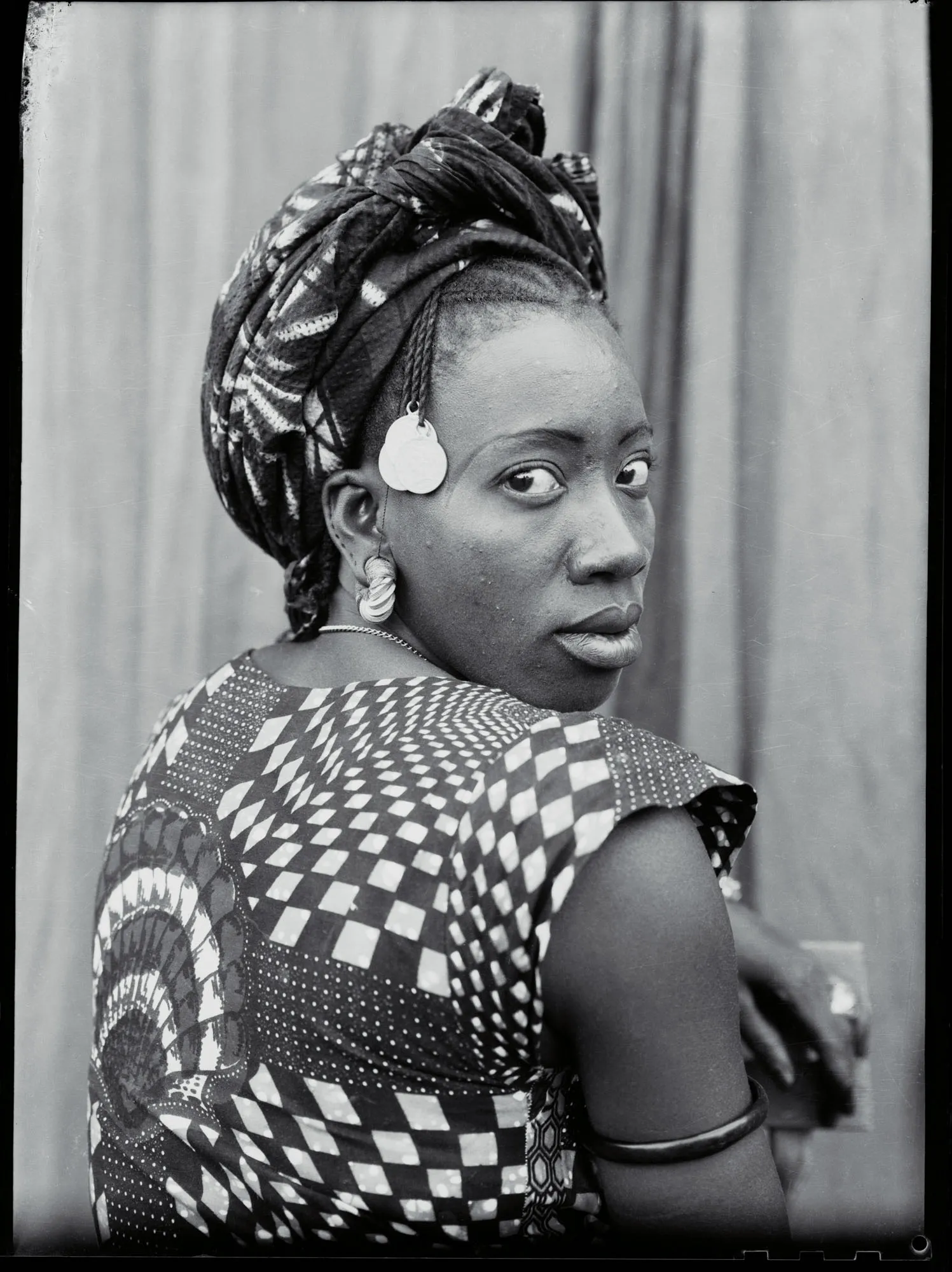
Seydou Keïta. Untitled, 1952–55, printed 1994. Gelatin silver print. Courtesy of The Jean Pigozzi African Art Collection. © SKPEAC/Seydou Keïta, courtesy The Jean Pigozzi Collection of African Art and Danziger Gallery, NY
Seydou Keïta. Untitled, 1957–60, printed 1994. Gelatin silver print. Courtesy of The Jean Pigozzi African Art Collection. © SKPEAC/Seydou Keïta, courtesy The Jean Pigozzi Collection of African Art and Danziger Gallery, NY
Organised thematically, the exhibition moves beyond a linear chronology to explore the recurring visual strategies and subjects in Keïta’s work. Portraits are shown alongside garments, jewellery, and objects drawn from his studio, creating a dialogue between image and material culture. These elements help reconstruct the sensory environment of Keïta’s practice, revealing how photography functioned within a broader ecosystem of style, identity, and social exchange. The exhibition is also informed by oral histories and contributions from Keïta’s family, adding a layer of personal context to the archive. These narratives position Keïta not only as a photographer, but as a chronicler of his time, someone who documented the aspirations, transformations, and everyday realities of a society in motion.
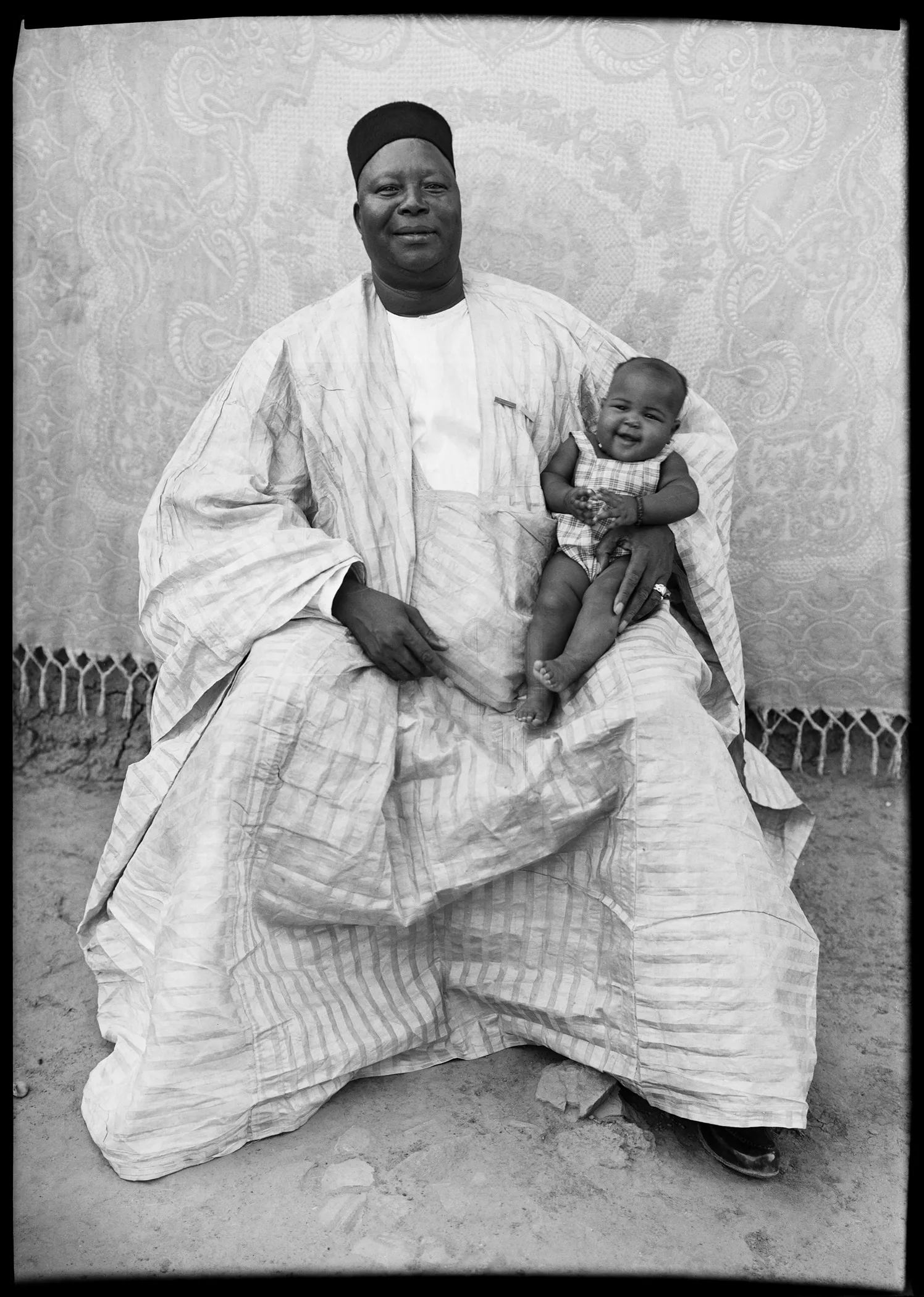
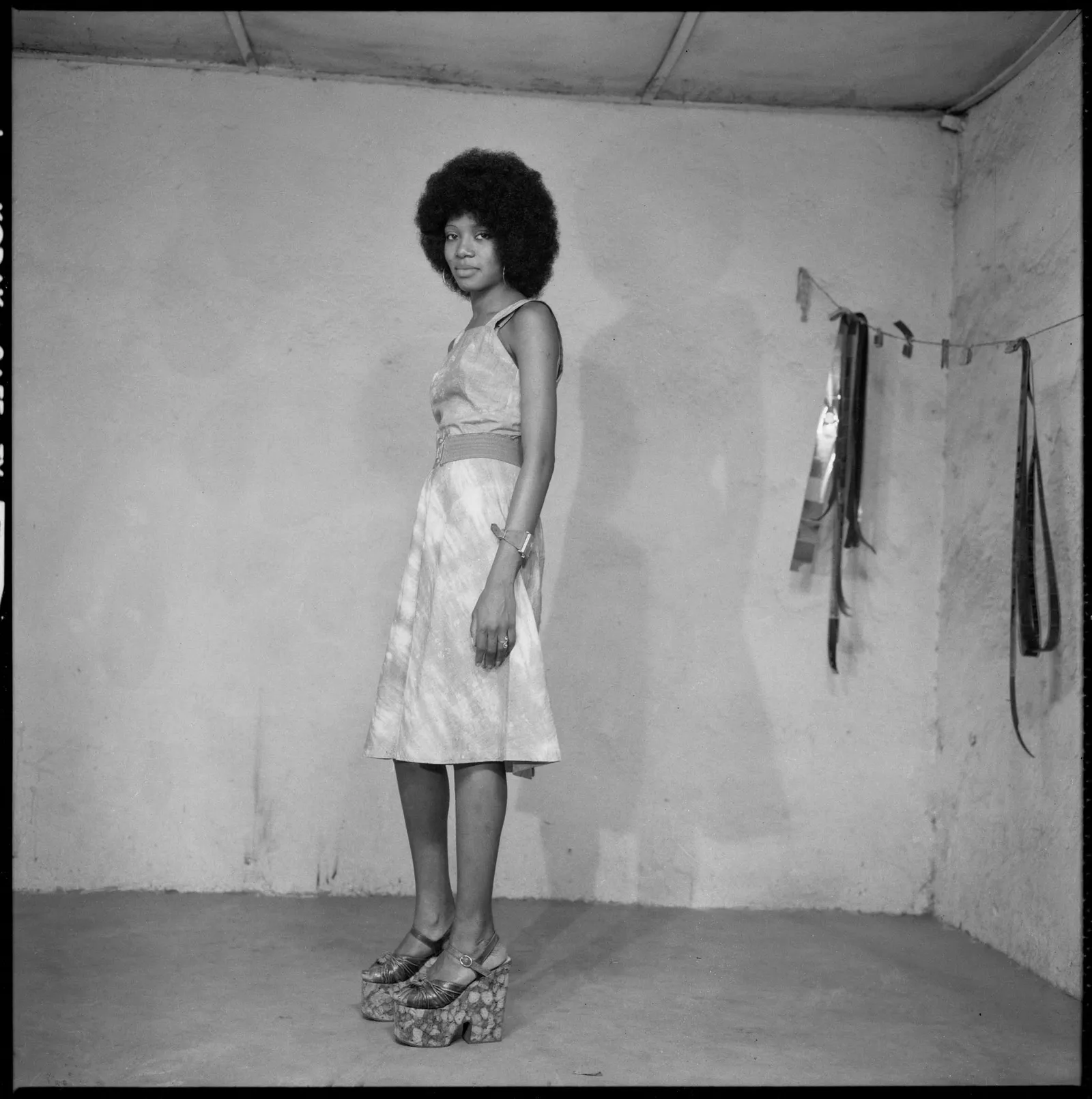
Seydou Keïta. Untitled, 1949–51, printed 1998. Gelatin silver print. Courtesy of The Jean Pigozzi African Art Collection. © SKPEAC/Seydou Keïta, courtesy The Jean Pigozzi Collection of African Art and Danziger Gallery, NY
Seydou Keïta. Untitled, late 1940s to mid-1970s. Positive reproduction from digitized negative. Courtesy of the Seydou Keïta Family
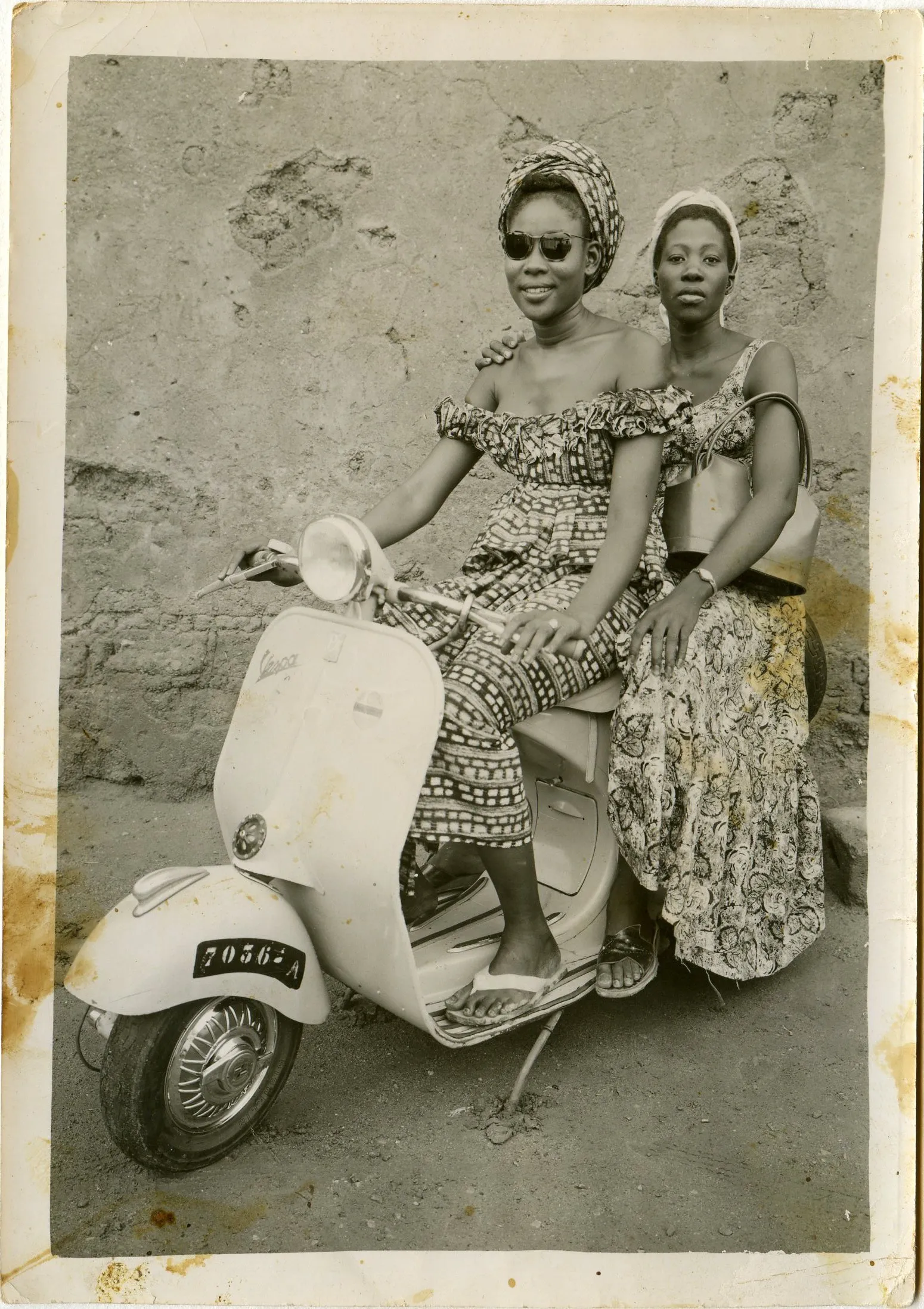
Seydou Keïta. Untitled, 1957. Vintage gelatin silver print. Courtesy of The Jean Pigozzi African Art Collection. © SKPEAC/Seydou Keïta, courtesy The Jean Pigozzi Collection of African Art and Danziger Gallery, NY
Ultimately, Keïta’s work endures because of its humanity. His photographs are not static records, but living documents, moments of encounter between photographer and subject, shaped by trust, collaboration, and mutual respect. Through his lens, the portrait becomes a space of agency, where individuals define their own image and assert their presence within a rapidly changing world.
Seydou Keïta: A Tactile Lens’ is on view at the Brooklyn Museum until May 17, 2026.
The legendary photographer’s revelatory portraits of Malian life sit within a major retrospective at the Brooklyn Museum
In the late 1940s, in Bamako, Seydou Keïta opened a studio that would become both a creative hub and a cultural archive. Working through the decades leading up to and just after Mali’s independence in 1960, he photographed a society in transition; families, workers, couples, and individuals arriving not only to be captured, but to define how they wished to be seen. What distinguishes Keïta’s practice is its collaborative nature. His sitters played an active role in shaping their portraits, selecting from an array of patterned textiles, accessories, and props- radios, bicycles, watches, that reflected both personal aspiration and broader social change. These carefully composed images balance elegance and intimacy, offering a nuanced record of a generation navigating the shift from colonial rule to independence. Now presented at the Brooklyn Museum and curated by Catherine E. McKinley, Seydou Keïta: A Tactile Lens is the most expansive North American exhibition dedicated to the artist to date. Bringing together over 280 works including vintage prints, rarely seen photographs, textiles, and personal artefacts, the exhibition offers a rich and immersive insight into Keïta’s world and process.
Seydou Keïta. Untitled, 1953–57, printed ca. 1994–2001. Gelatin silver print. Courtesy of The Jean Pigozzi African Art Collection. © SKPEAC/Seydou Keïta, courtesy The Jean Pigozzi Collection of African Art and Danziger Gallery, NY
Born in 1921, Keïta’s entry into photography was shaped by both craft and opportunity. Initially trained as a carpenter, he later received a Kodak Brownie camera, an instrument that would redirect his trajectory. By 1948, he had opened his own studio in Bamako, where he quickly developed a reputation for his technical precision and refined aesthetic sensibility. His images circulated widely across Mali and West Africa, becoming sought-after keepsakes that captured personal milestones and everyday life. Texture plays a central role in his visual language. The interplay of fabrics, surfaces, and materials; embroidered cloth, patterned textiles, polished leather, creates a tactile richness that gives each image a sense of immediacy. It is through these details that Keïta’s work moves beyond documentation, becoming something experiential. The photographs feel grounded, almost palpable, as if they hold the memory of the moment within their surfaces. For decades, Keïta’s work remained largely within regional circulation. It was only in the early 1990s that his photographs reached audiences in Europe and the United States, where they were met with critical acclaim. This introduction placed his work within a broader global conversation on portraiture, aligning him with influential figures such as August Sander, Irving Penn, and Richard Avedon. Yet Keïta’s work retains a distinct voice, one rooted in collaboration, community, and lived experience.
Seydou Keïta. Untitled, 1952–55, printed 1994. Gelatin silver print. Courtesy of The Jean Pigozzi African Art Collection. © SKPEAC/Seydou Keïta, courtesy The Jean Pigozzi Collection of African Art and Danziger Gallery, NY
Seydou Keïta. Untitled, 1957–60, printed 1994. Gelatin silver print. Courtesy of The Jean Pigozzi African Art Collection. © SKPEAC/Seydou Keïta, courtesy The Jean Pigozzi Collection of African Art and Danziger Gallery, NY
Organised thematically, the exhibition moves beyond a linear chronology to explore the recurring visual strategies and subjects in Keïta’s work. Portraits are shown alongside garments, jewellery, and objects drawn from his studio, creating a dialogue between image and material culture. These elements help reconstruct the sensory environment of Keïta’s practice, revealing how photography functioned within a broader ecosystem of style, identity, and social exchange. The exhibition is also informed by oral histories and contributions from Keïta’s family, adding a layer of personal context to the archive. These narratives position Keïta not only as a photographer, but as a chronicler of his time, someone who documented the aspirations, transformations, and everyday realities of a society in motion.
Seydou Keïta. Untitled, 1949–51, printed 1998. Gelatin silver print. Courtesy of The Jean Pigozzi African Art Collection. © SKPEAC/Seydou Keïta, courtesy The Jean Pigozzi Collection of African Art and Danziger Gallery, NY
Seydou Keïta. Untitled, late 1940s to mid-1970s. Positive reproduction from digitized negative. Courtesy of the Seydou Keïta Family
Seydou Keïta. Untitled, 1957. Vintage gelatin silver print. Courtesy of The Jean Pigozzi African Art Collection. © SKPEAC/Seydou Keïta, courtesy The Jean Pigozzi Collection of African Art and Danziger Gallery, NY
Ultimately, Keïta’s work endures because of its humanity. His photographs are not static records, but living documents, moments of encounter between photographer and subject, shaped by trust, collaboration, and mutual respect. Through his lens, the portrait becomes a space of agency, where individuals define their own image and assert their presence within a rapidly changing world.
Seydou Keïta: A Tactile Lens’ is on view at the Brooklyn Museum until May 17, 2026.