FIELD RITUALS
Visual Director Faramarz Gosheh and Stylist Robyn Agulhas move between Stockholm and Capetown, mapping the beauty of football beyond the final score
Football extends far beyond the parameters of the beautiful game for Faramarz Gosheh. Within his practice, it becomes a language of ritual, identity, and personal freedom; something lived as much as it is observed. The Stockholm-based director and photographer, whose heritage spans Iran, Nigeria, and Sweden, grew up immersed in sport long before turning toward image-making. He spent eighteen years playing football, moving through Sweden’s competitive football structure with Örgryte IS, progressing from youth teams to the junior squad, then into the reserves and eventually the first team. He later went on to play semi-professionally across the country’s second and third divisions, an experience that shaped not only his discipline as an athlete but his sensitivity to rhythm, space, and collective movement. Even as the trajectory of professional football narrowed, the game never left him, it remained embedded as instinct. Alongside this physical immersion in sport was an equally formative fascination with design and architecture. As a child, he sketched football boots and imagined future Nike silhouettes, translating the language of sport into form and object. That early overlap between athletic life and visual imagination would later become central to his creative practice, where movement is not only documented but composed.
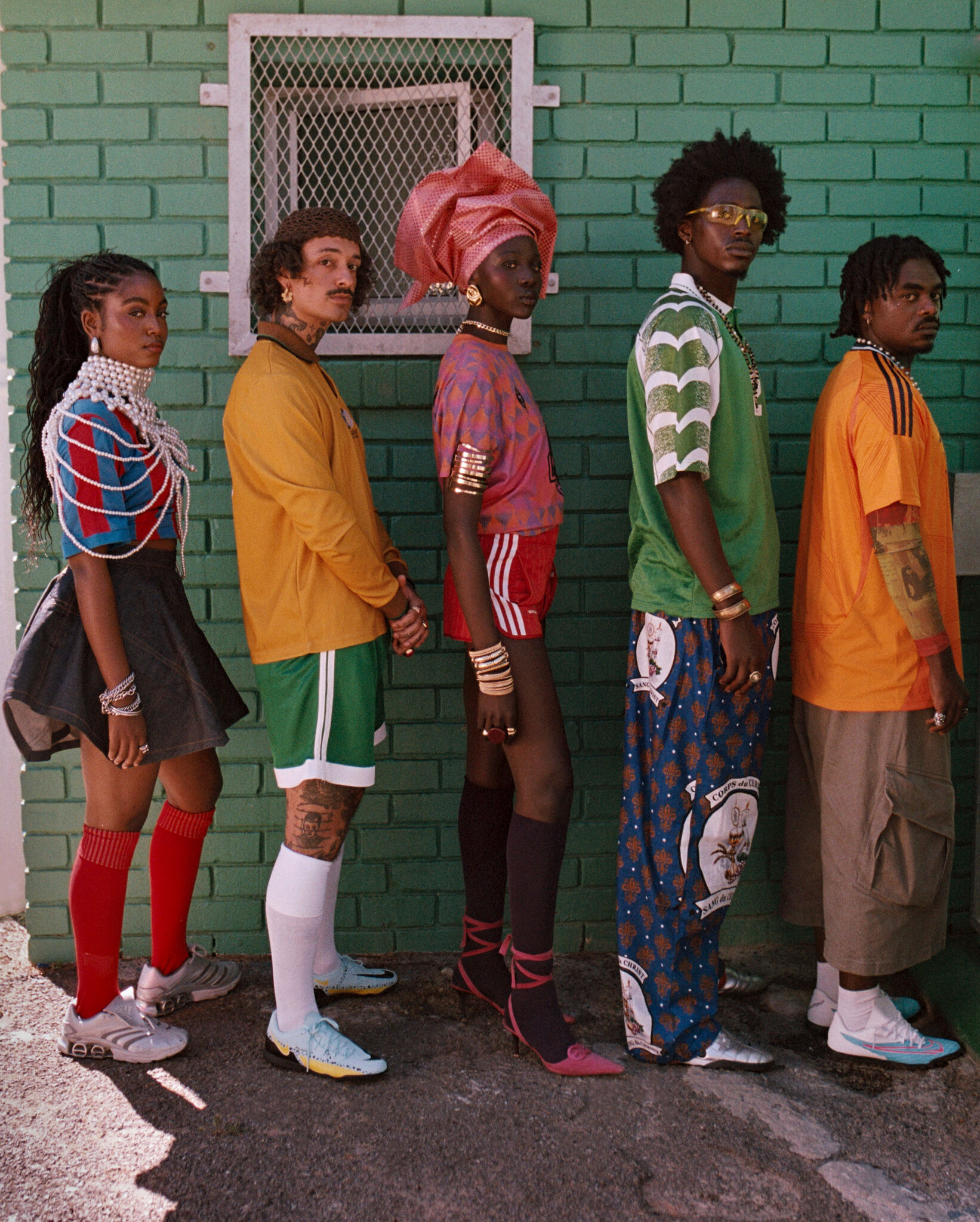
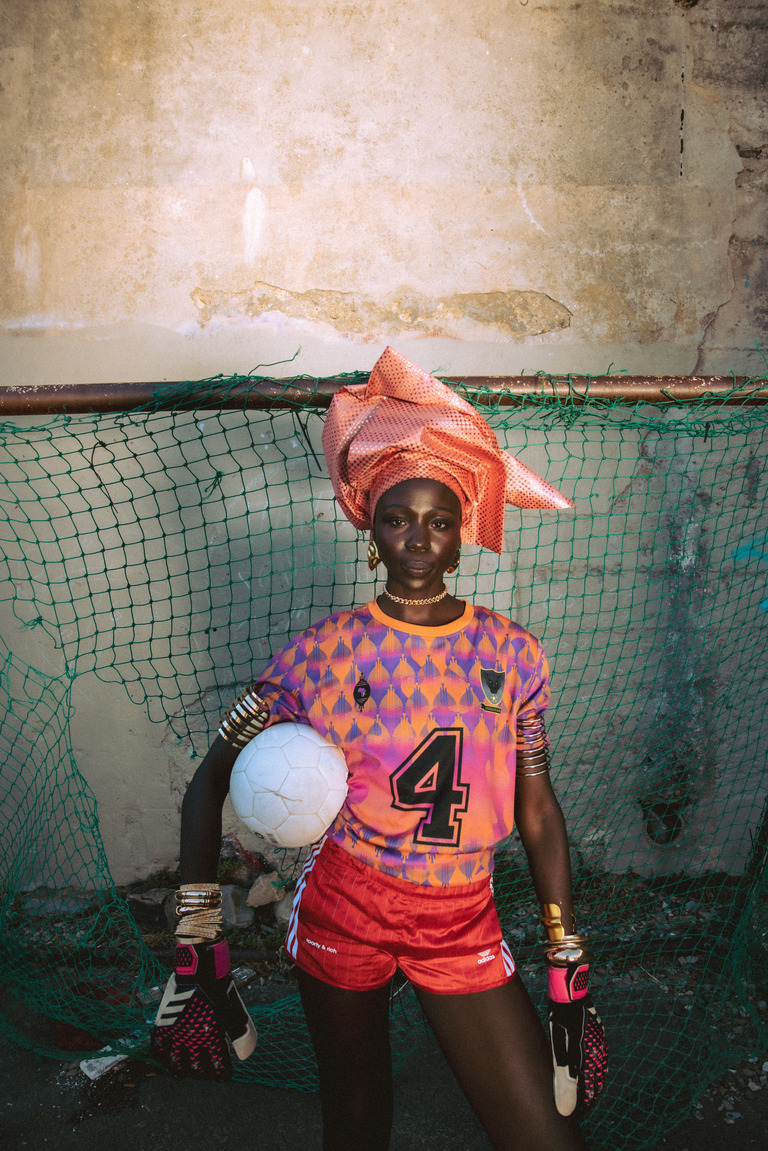
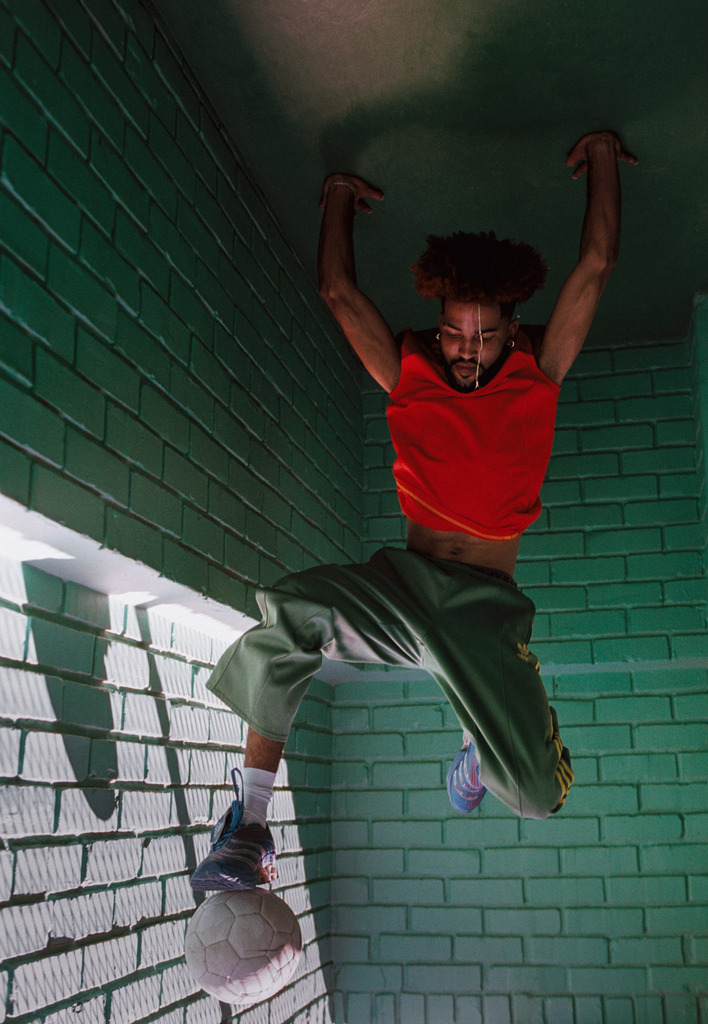
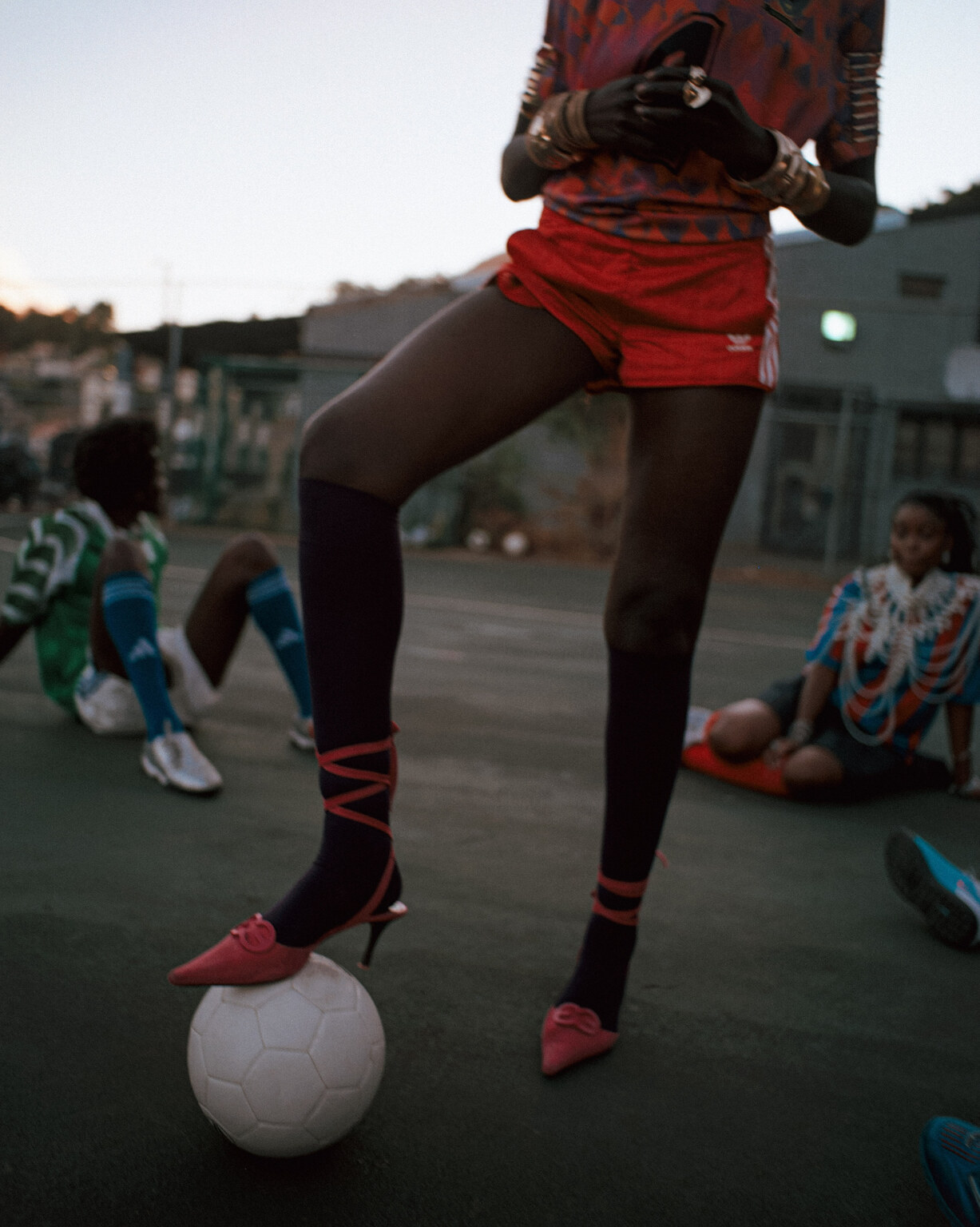
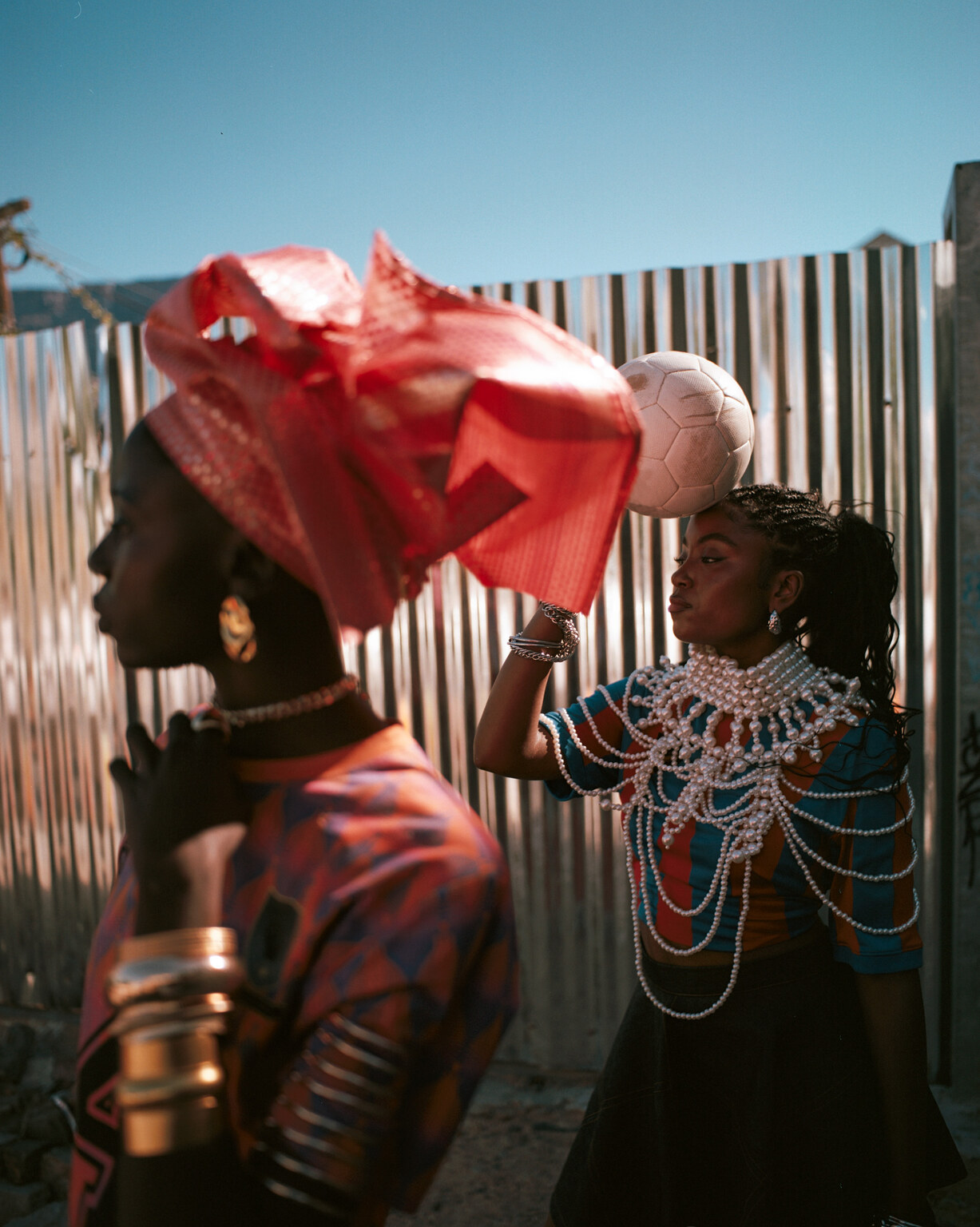
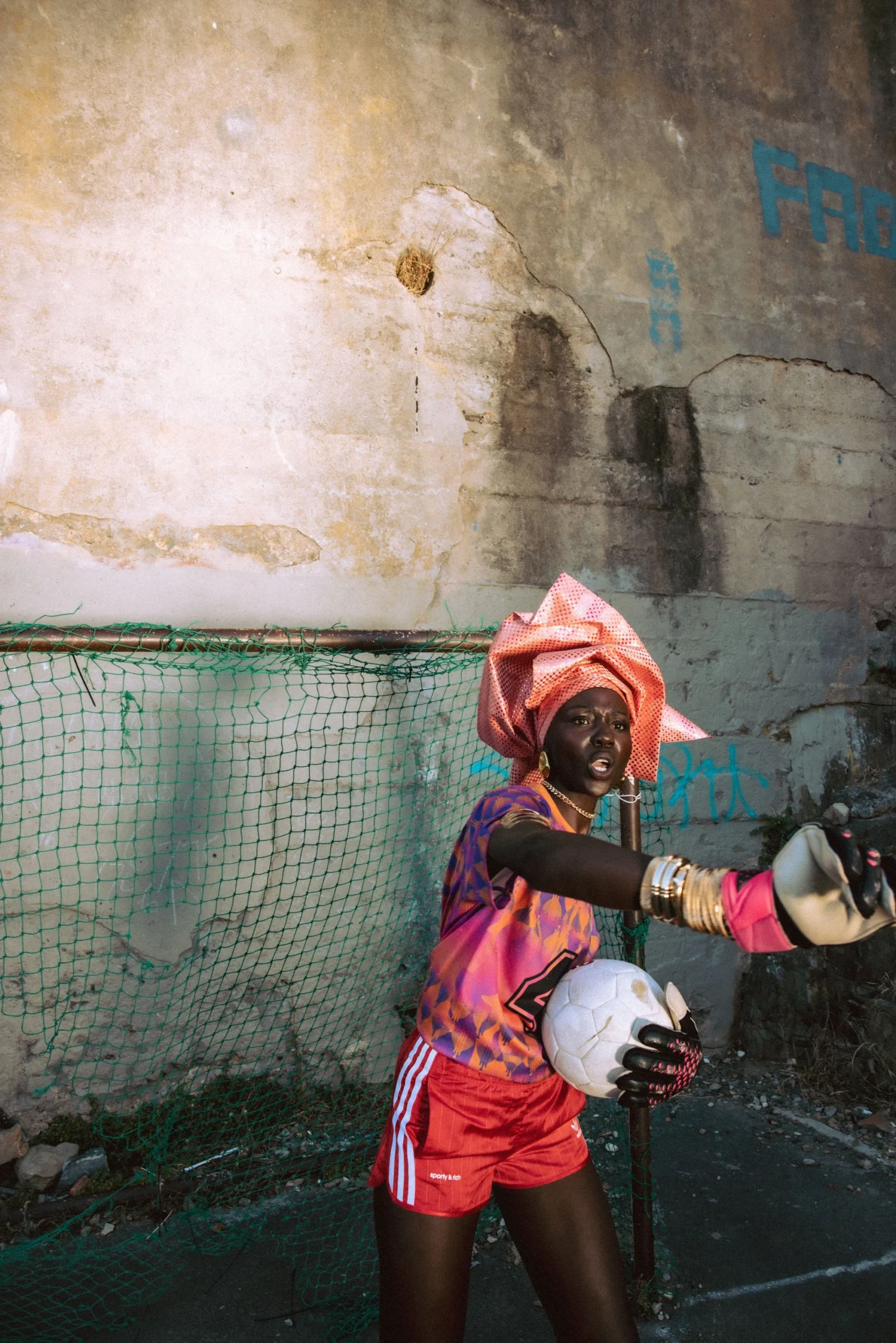
The project shot in Bo-Kaap emerges from this intersection. Conceived as an exploration of football through the lens of fashion, it resists the idea of sport as pure competition and instead leans into its cultural, symbolic, and communal dimensions. Set against the layered architecture and vivid atmosphere of Cape Town’s Bo-Kaap, the work draws on environment as narrative; where place becomes part of the choreography.
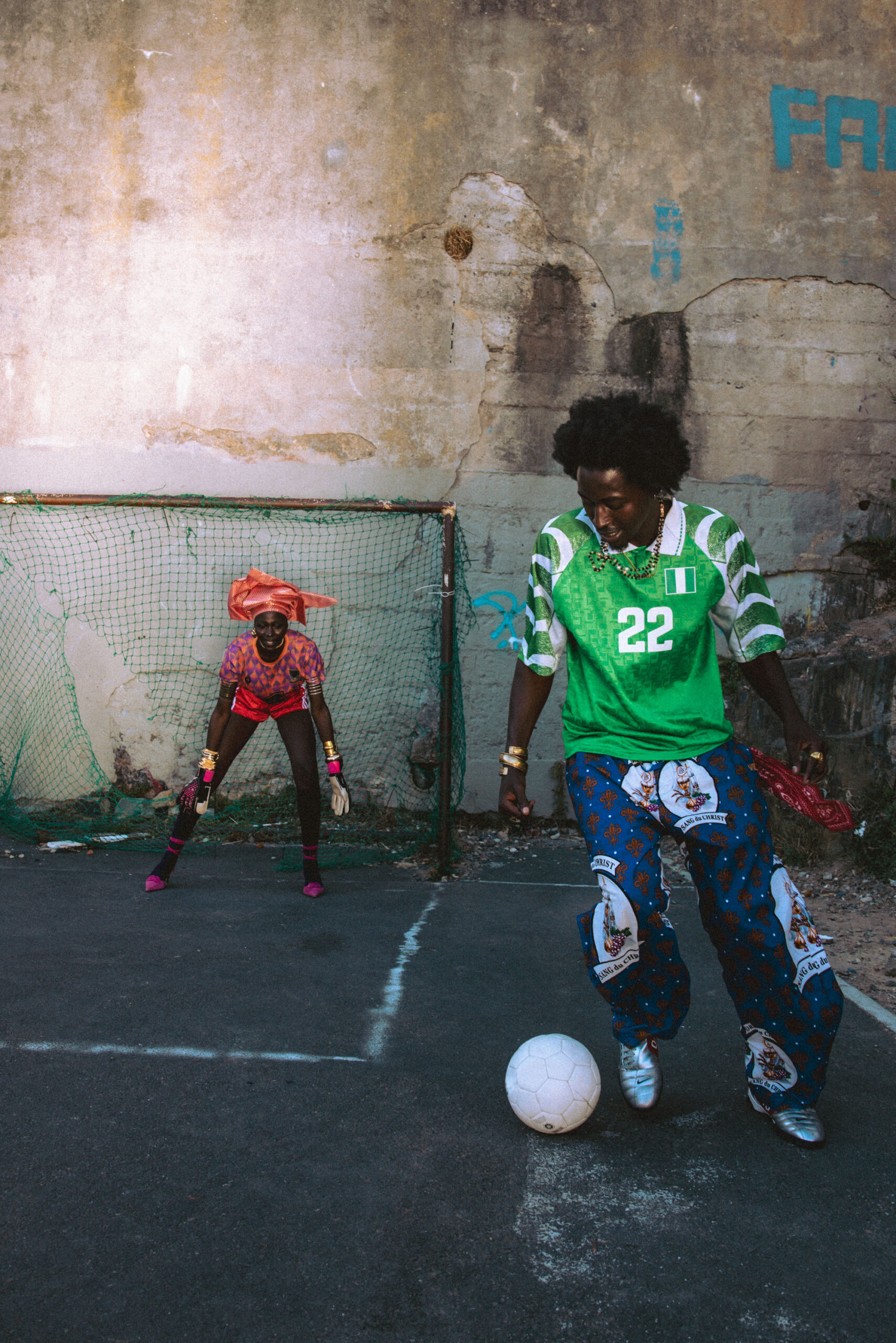
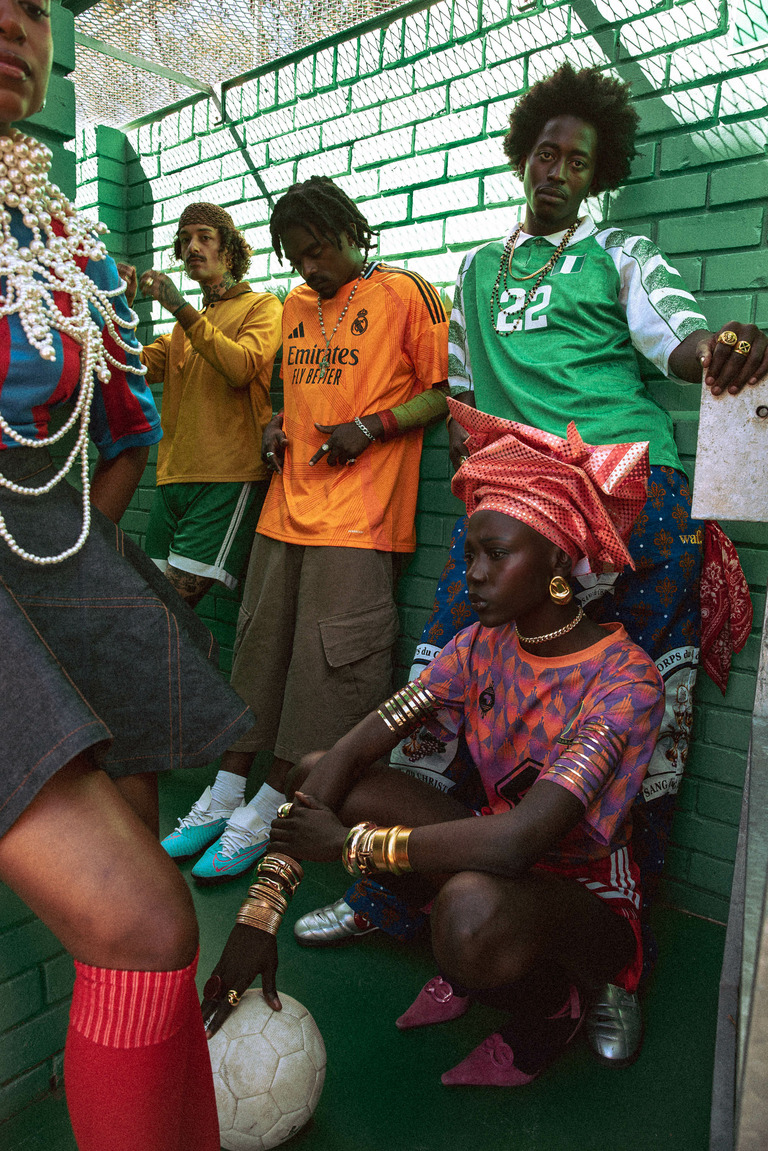
At the heart of the project is a collaboration with stylist Robyn Agulhas, whose own relationship to football is shaped by her father’s influence. That shared personal proximity to the game became a point of connection, allowing the duo to approach the project with instinct rather than abstraction. Together, they assembled a network of Cape Town creatives whose presence grounds the work in lived experience, transforming the shoot into a space of exchange rather than representation.
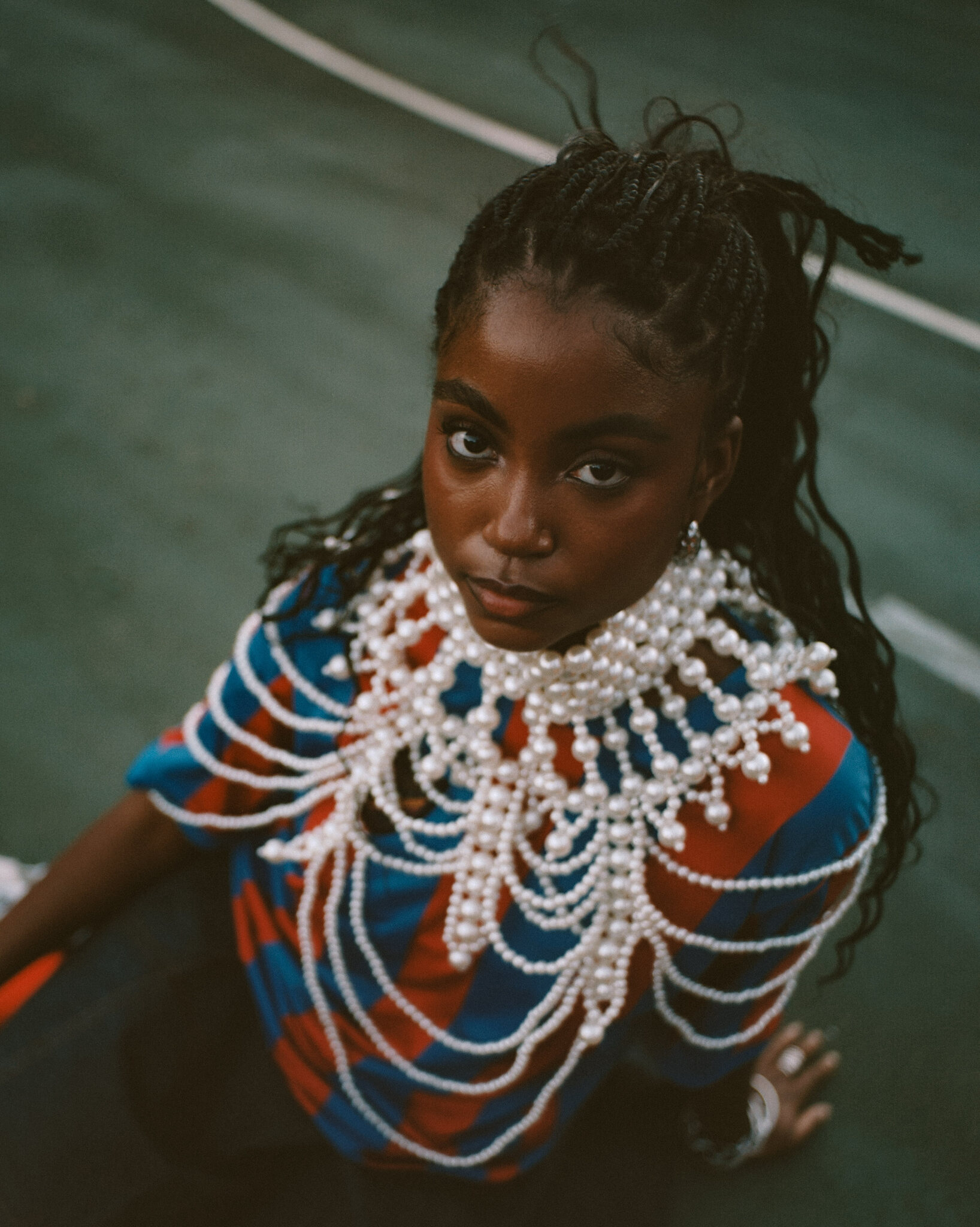
Visual Director Faramarz Gosheh and Stylist Robyn Agulhas move between Stockholm and Capetown, mapping the beauty of football beyond the final score
Football extends far beyond the parameters of the beautiful game for Faramarz Gosheh. Within his practice, it becomes a language of ritual, identity, and personal freedom; something lived as much as it is observed. The Stockholm-based director and photographer, whose heritage spans Iran, Nigeria, and Sweden, grew up immersed in sport long before turning toward image-making. He spent eighteen years playing football, moving through Sweden’s competitive football structure with Örgryte IS, progressing from youth teams to the junior squad, then into the reserves and eventually the first team. He later went on to play semi-professionally across the country’s second and third divisions, an experience that shaped not only his discipline as an athlete but his sensitivity to rhythm, space, and collective movement. Even as the trajectory of professional football narrowed, the game never left him, it remained embedded as instinct. Alongside this physical immersion in sport was an equally formative fascination with design and architecture. As a child, he sketched football boots and imagined future Nike silhouettes, translating the language of sport into form and object. That early overlap between athletic life and visual imagination would later become central to his creative practice, where movement is not only documented but composed.
The project shot in Bo-Kaap emerges from this intersection. Conceived as an exploration of football through the lens of fashion, it resists the idea of sport as pure competition and instead leans into its cultural, symbolic, and communal dimensions. Set against the layered architecture and vivid atmosphere of Cape Town’s Bo-Kaap, the work draws on environment as narrative; where place becomes part of the choreography.
At the heart of the project is a collaboration with stylist Robyn Agulhas, whose own relationship to football is shaped by her father’s influence. That shared personal proximity to the game became a point of connection, allowing the duo to approach the project with instinct rather than abstraction. Together, they assembled a network of Cape Town creatives whose presence grounds the work in lived experience, transforming the shoot into a space of exchange rather than representation.