MEJI MEJI
Tolulope Oye’s latest campaign draws from her family archive, interlacing personal memory with the rhythm of everyday Lagos life
For Nigerian designer Tolulope Oye, her creative practice is rooted in memory; both personal and collective. Through her label Meji Meji, the designer transforms fragments of lived experience, family history, and the textures of everyday Lagos life into garments that carry a deep sense of familiarity. Her work reflects a commitment to storytelling through clothing, creating pieces that resonate emotionally while preserving intimate cultural references.
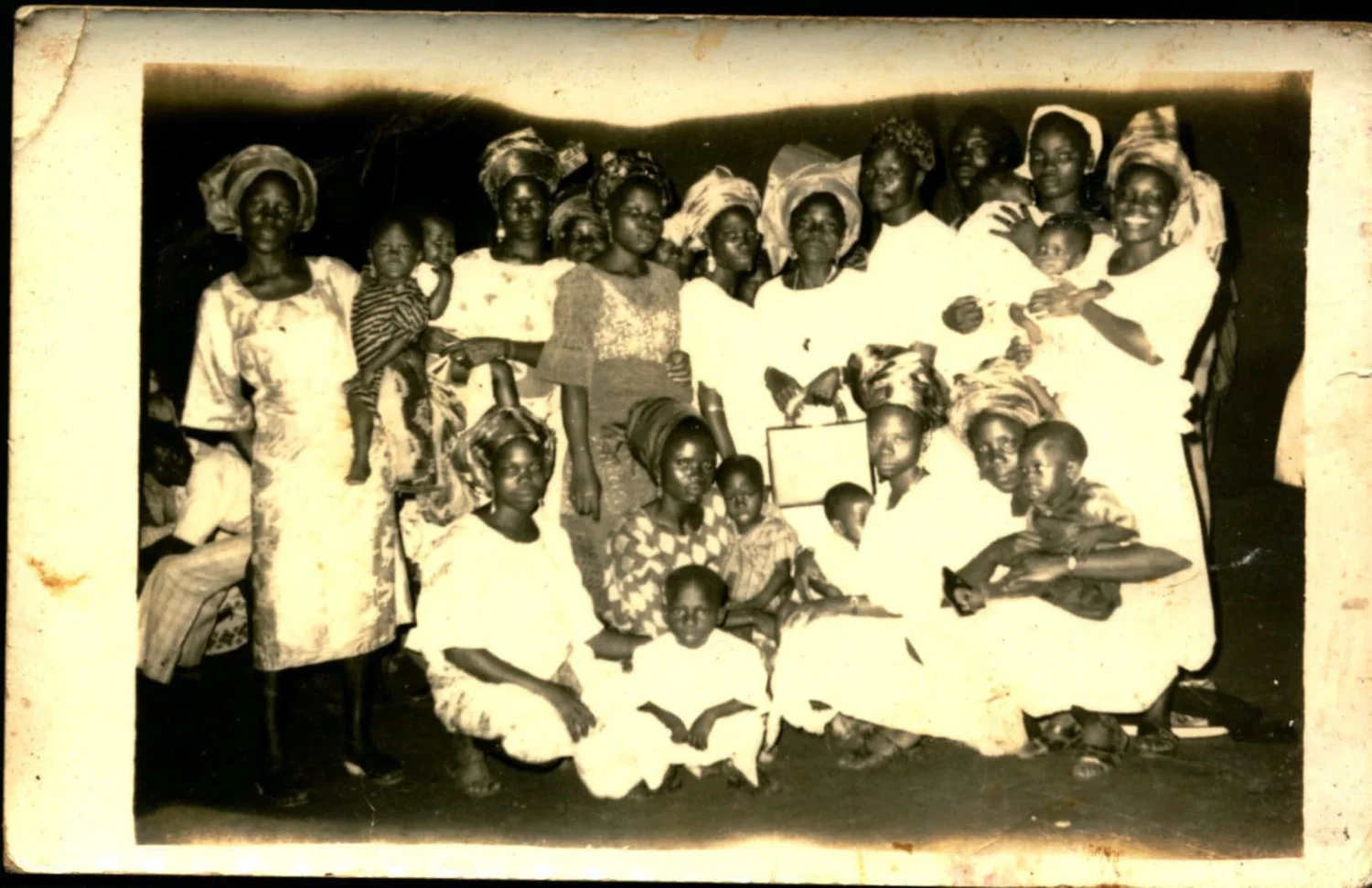
This sensibility continues in Meji Meji’s AW26 collection, where fashion and film come together to explore nostalgia as an active force. Through the accompanying short film, 'The Past That Never Fades', Oye revisits moments of domestic life, kinship, and remembrance, drawing connections between past and present in ways that feel both intimate and universal. Much of Oye’s visual language can be traced back to her childhood, spent in her mother’s salon with Nollywood films as a constant backdrop, where lived experience and on-screen narratives unfolded side by side. Years later, in 2019, she encountered a trove of family materials at her grandmother’s home in Agege: photographs, letters, postcards, and certificates from the mid-20th century. These fragments of personal history, rich with intimacy and circulation, now inform the foundation of her work.
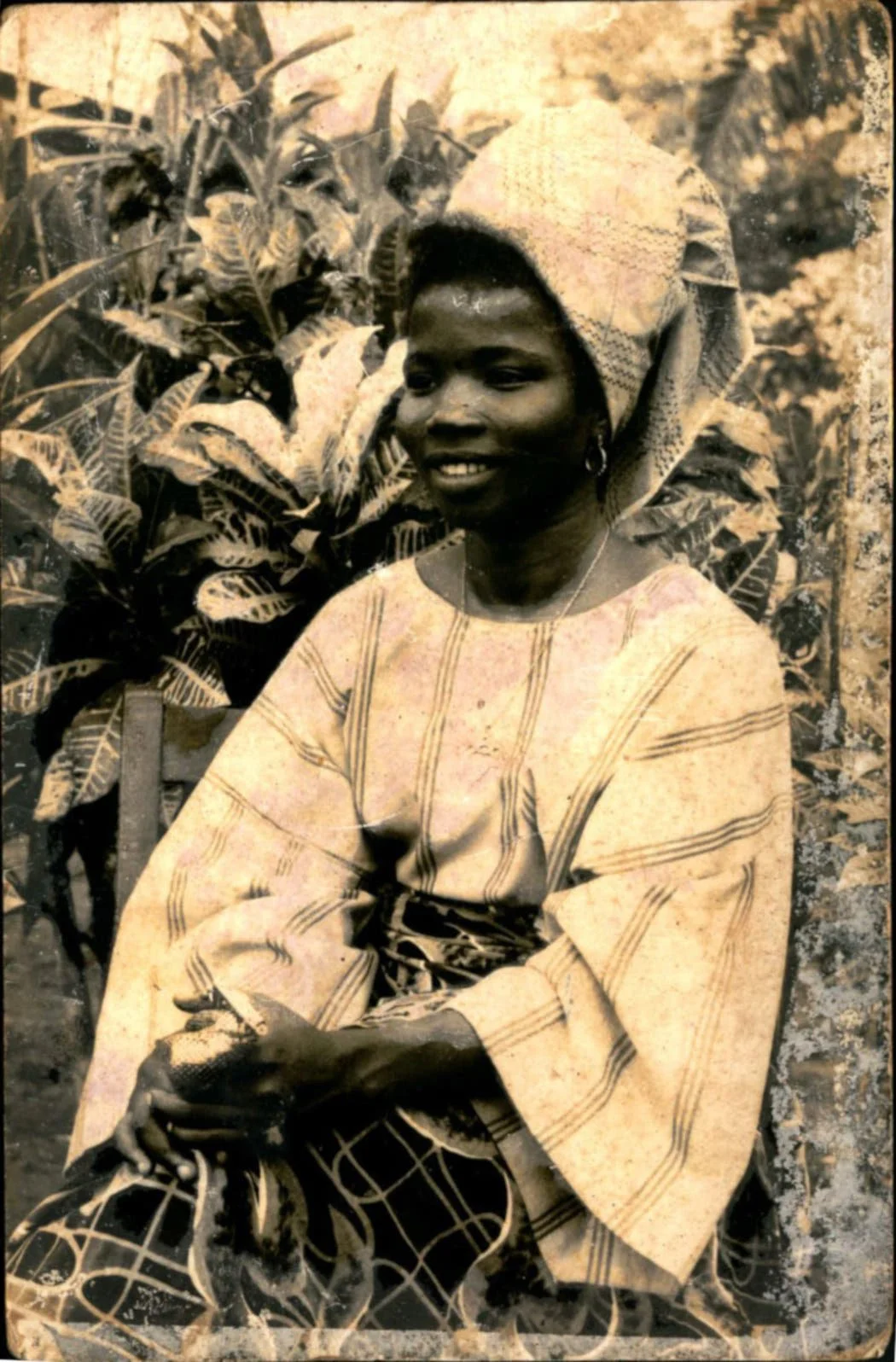
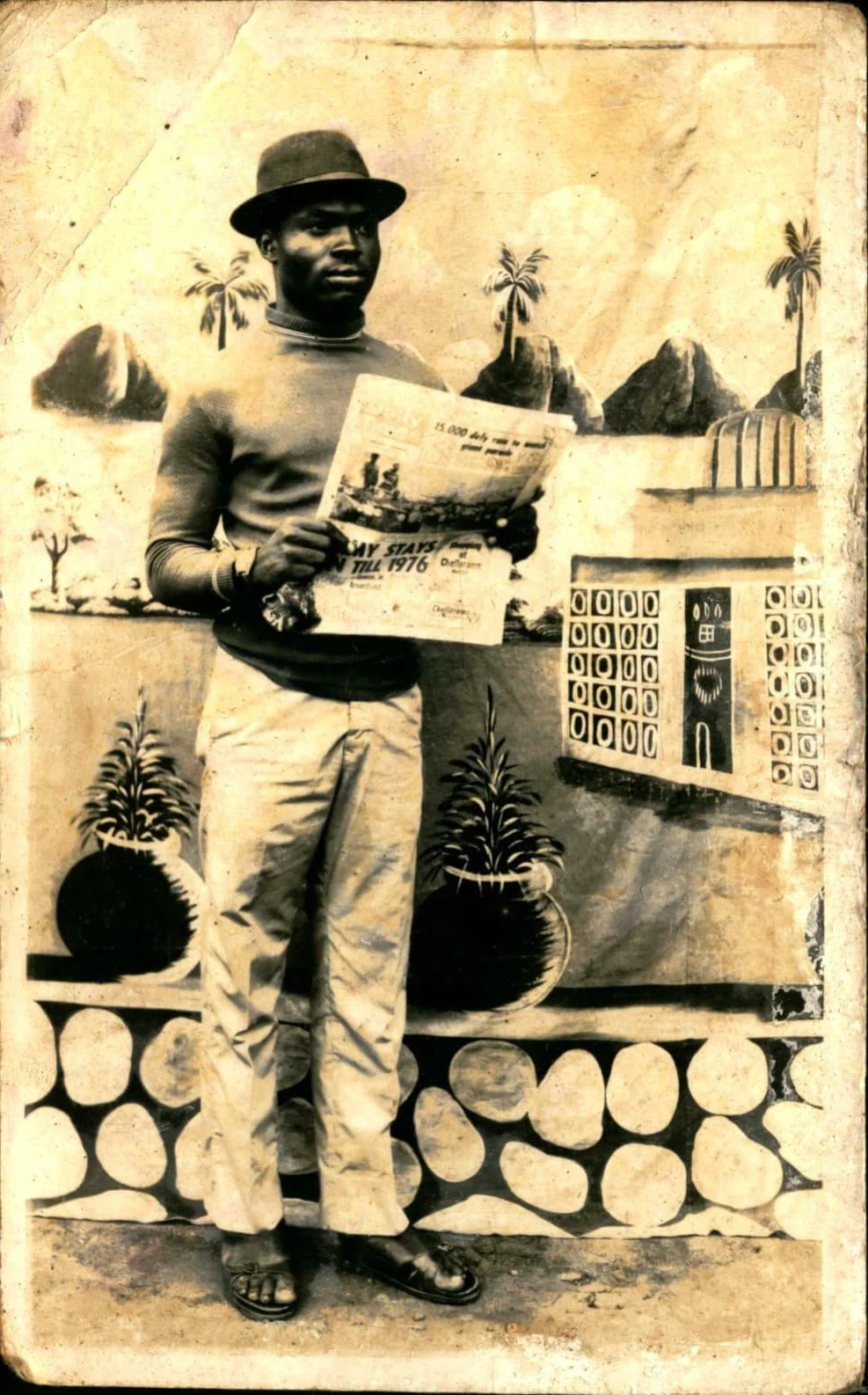

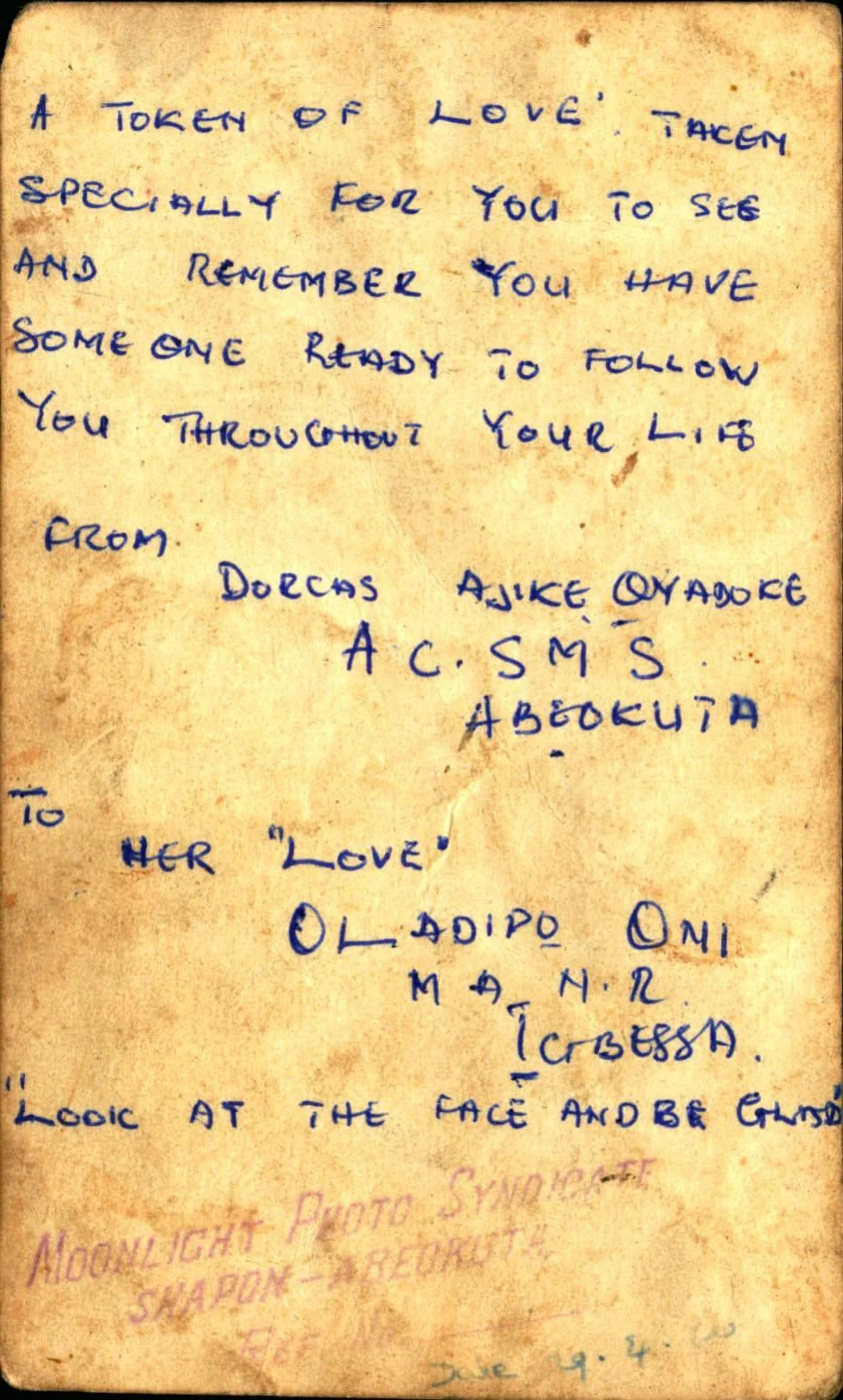
That archive becomes a living material in the AW26 collection. Family photographs are reintroduced as design elements, while the film mirrors this act of remembrance through scenes that centre domestic rituals and generational memory. Rather than treating the archive as static history, Oye uses it as an evolving narrative device, one that allows personal memory to move fluidly into the present. The collection also draws from the visual culture of everyday life in Nigeria. Familiar references such as the bold palette of household detergent packaging or scenes of clothes being washed outdoors, are elevated into motifs that speak to domesticity, labour, and care. By incorporating these everyday markers, Oye turns ordinary experiences into vessels of cultural meaning.
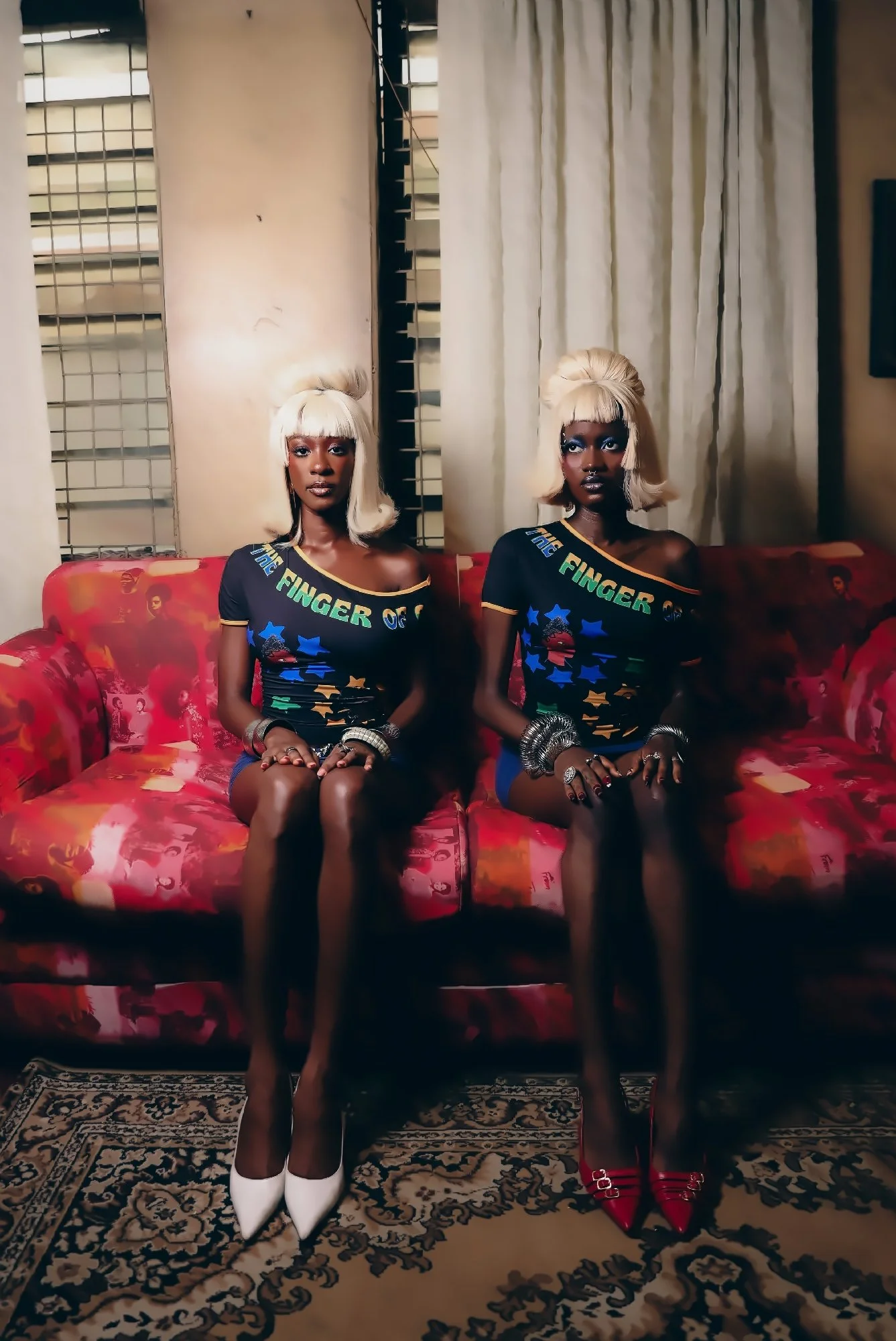
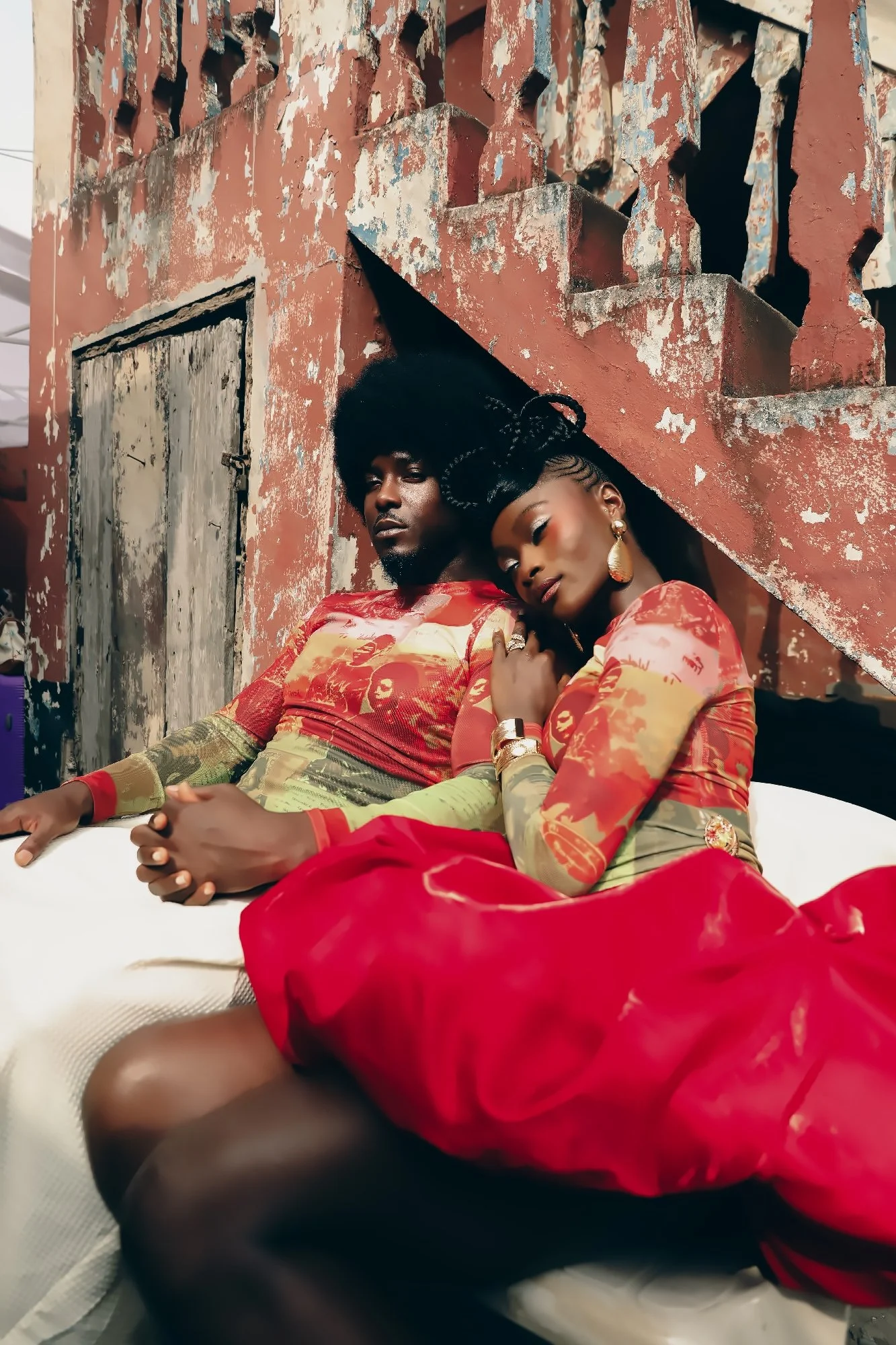
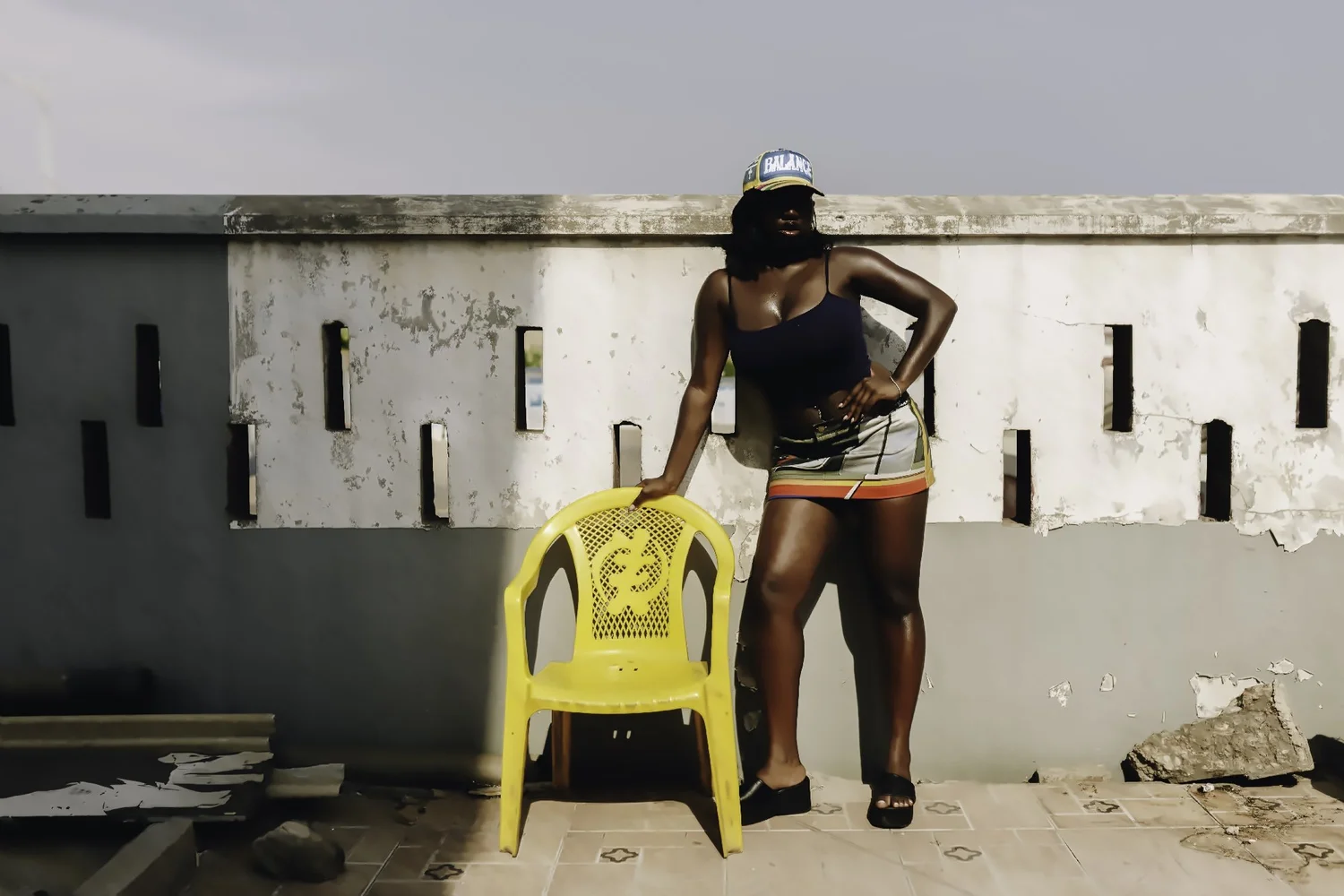

Themes of kinship and duality run throughout the collection, particularly in the emphasis on sisterhood and mirrored forms. Even the name Meji Meji, derived from the Yoruba word for “two,” reflects this interest in pairing, reflection, and relational identity. These ideas are expressed not only through the garments themselves but through the wider narrative structure of the collection. At a time when Nigerian fashion is receiving increasing global attention, Oye’s approach remains thoughtful and deeply personal. Rather than following trend-driven narratives, she grounds her work in memory, archive, and everyday experience; offering a vision of fashion that is both culturally specific and emotionally expansive.
Tolulope Oye’s latest campaign draws from her family archive, interlacing personal memory with the rhythm of everyday Lagos life
For Nigerian designer Tolulope Oye, her creative practice is rooted in memory; both personal and collective. Through her label Meji Meji, the designer transforms fragments of lived experience, family history, and the textures of everyday Lagos life into garments that carry a deep sense of familiarity. Her work reflects a commitment to storytelling through clothing, creating pieces that resonate emotionally while preserving intimate cultural references.
This sensibility continues in Meji Meji’s AW26 collection, where fashion and film come together to explore nostalgia as an active force. Through the accompanying short film, 'The Past That Never Fades', Oye revisits moments of domestic life, kinship, and remembrance, drawing connections between past and present in ways that feel both intimate and universal. Much of Oye’s visual language can be traced back to her childhood, spent in her mother’s salon with Nollywood films as a constant backdrop, where lived experience and on-screen narratives unfolded side by side. Years later, in 2019, she encountered a trove of family materials at her grandmother’s home in Agege: photographs, letters, postcards, and certificates from the mid-20th century. These fragments of personal history, rich with intimacy and circulation, now inform the foundation of her work.
That archive becomes a living material in the AW26 collection. Family photographs are reintroduced as design elements, while the film mirrors this act of remembrance through scenes that centre domestic rituals and generational memory. Rather than treating the archive as static history, Oye uses it as an evolving narrative device, one that allows personal memory to move fluidly into the present. The collection also draws from the visual culture of everyday life in Nigeria. Familiar references such as the bold palette of household detergent packaging or scenes of clothes being washed outdoors, are elevated into motifs that speak to domesticity, labour, and care. By incorporating these everyday markers, Oye turns ordinary experiences into vessels of cultural meaning.
Themes of kinship and duality run throughout the collection, particularly in the emphasis on sisterhood and mirrored forms. Even the name Meji Meji, derived from the Yoruba word for “two,” reflects this interest in pairing, reflection, and relational identity. These ideas are expressed not only through the garments themselves but through the wider narrative structure of the collection. At a time when Nigerian fashion is receiving increasing global attention, Oye’s approach remains thoughtful and deeply personal. Rather than following trend-driven narratives, she grounds her work in memory, archive, and everyday experience; offering a vision of fashion that is both culturally specific and emotionally expansive.