THE CULTURAL ALPHABET
Dani Larbi reimagines the Black ABCs through the lens of African and Spanish identity
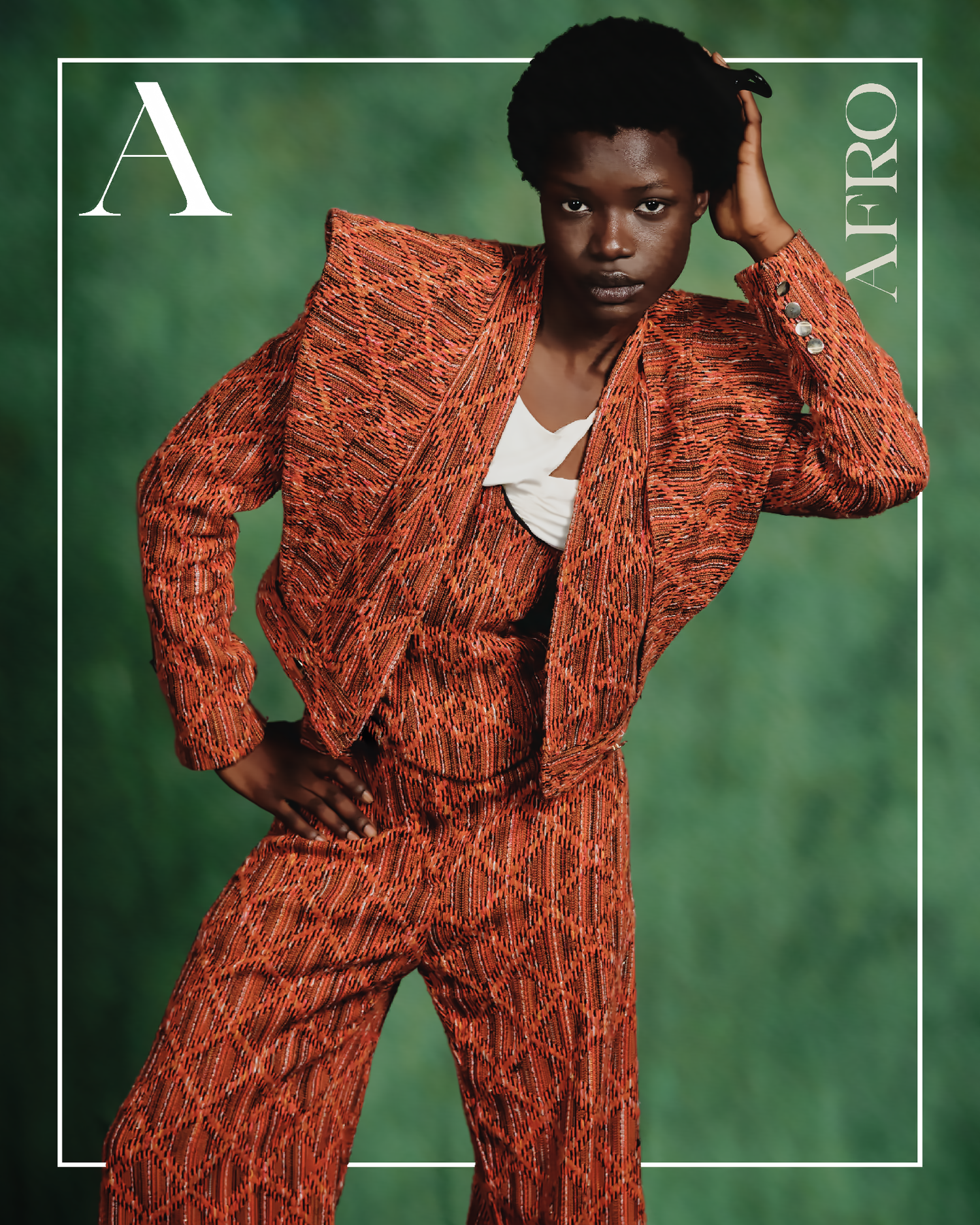
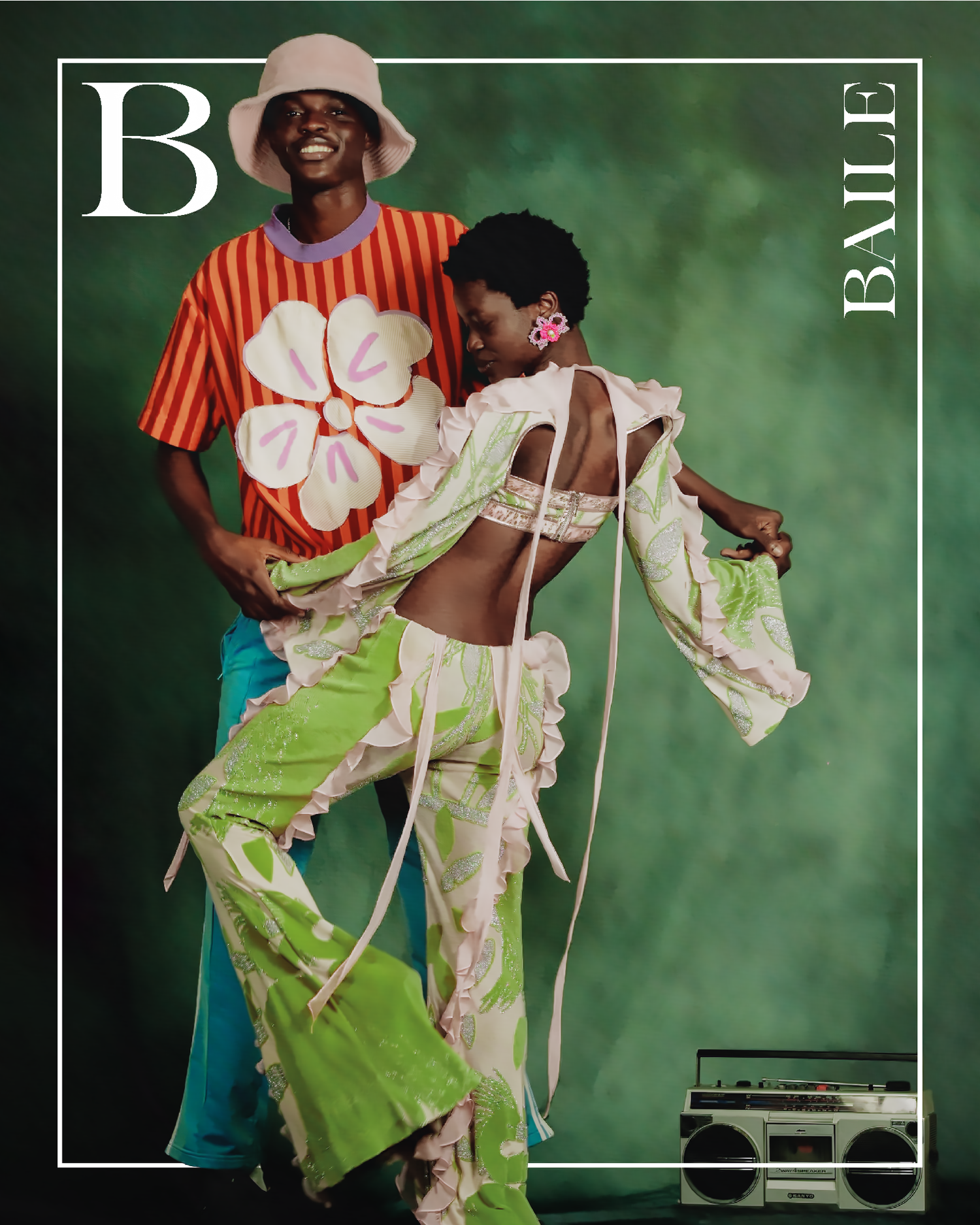
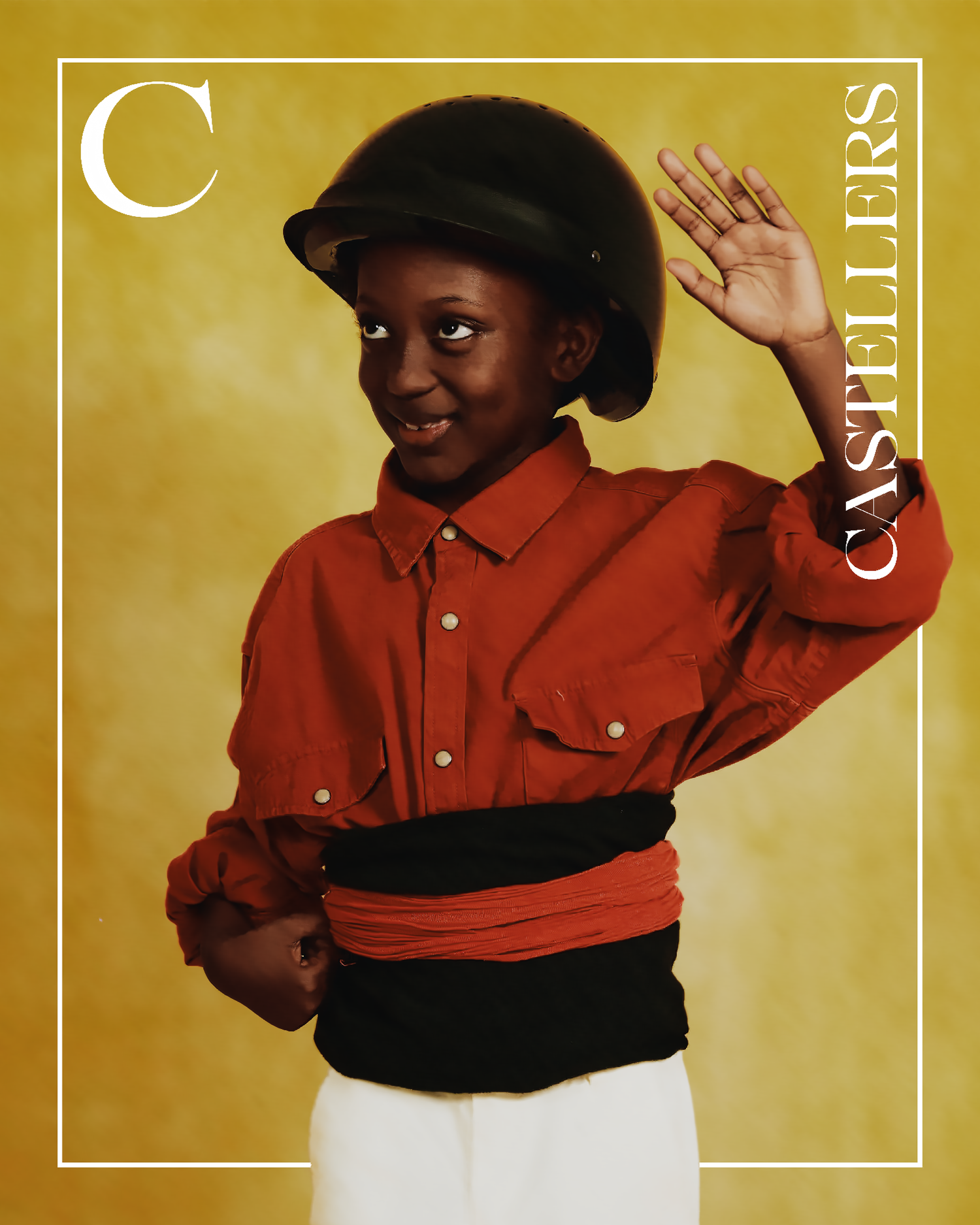
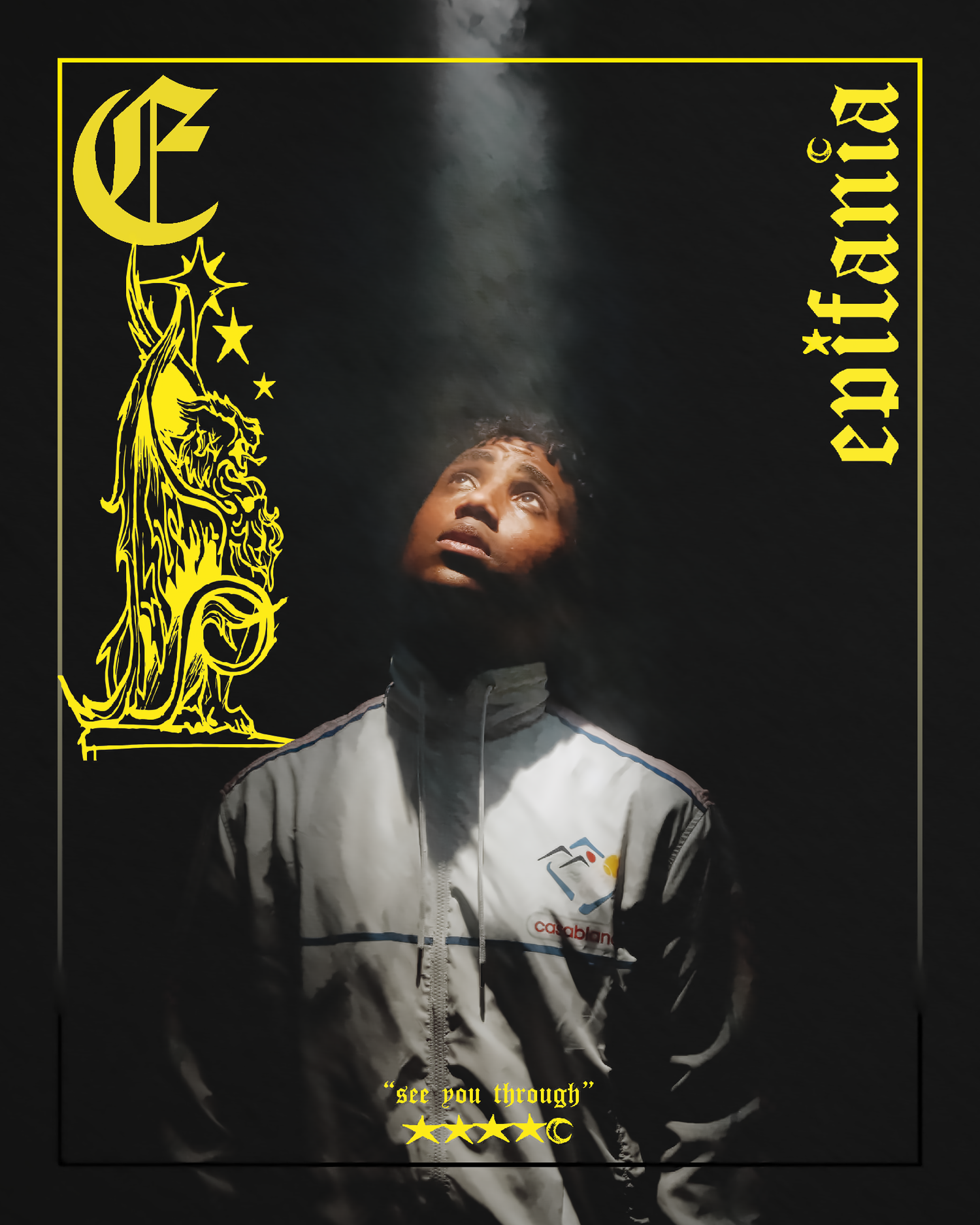
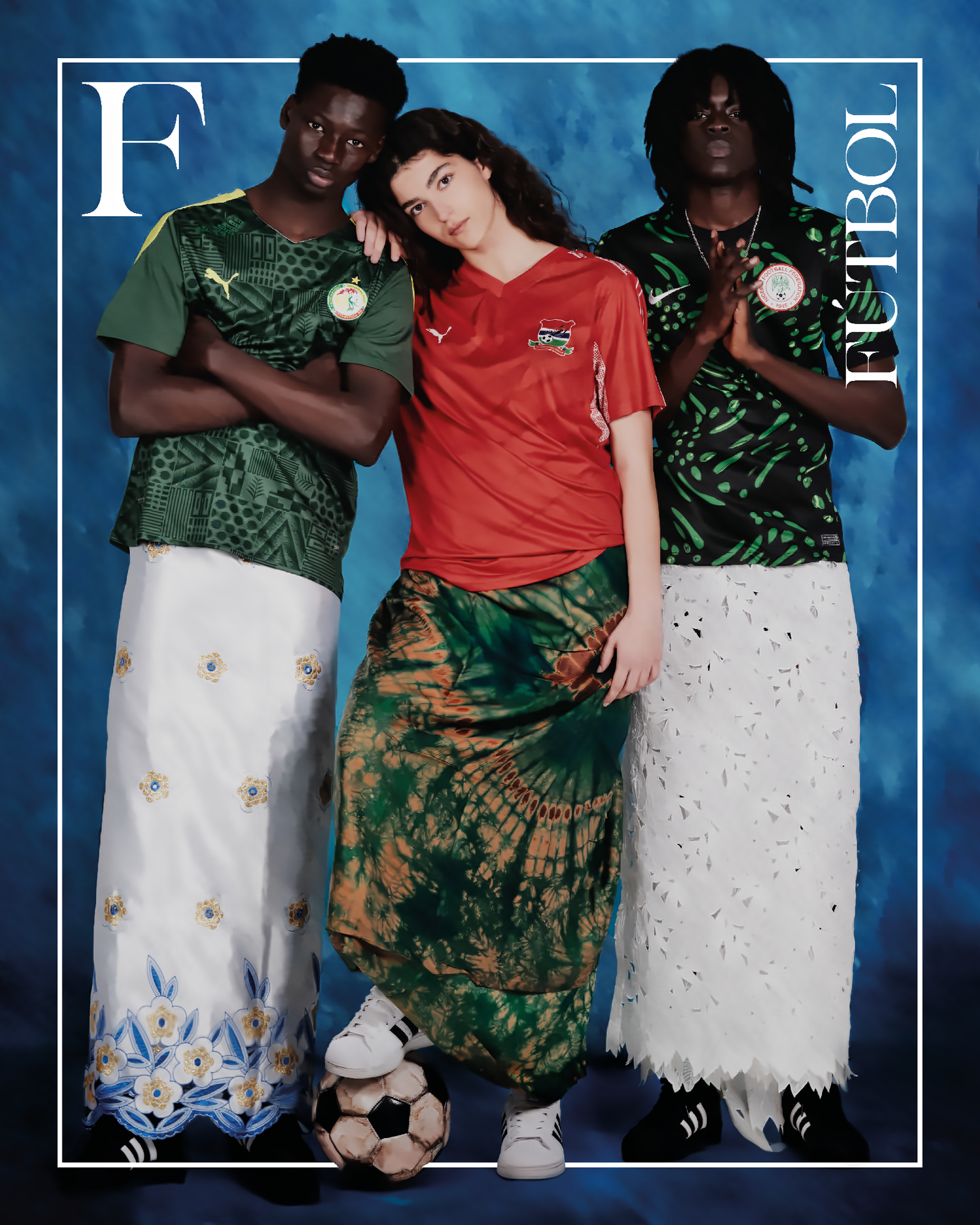
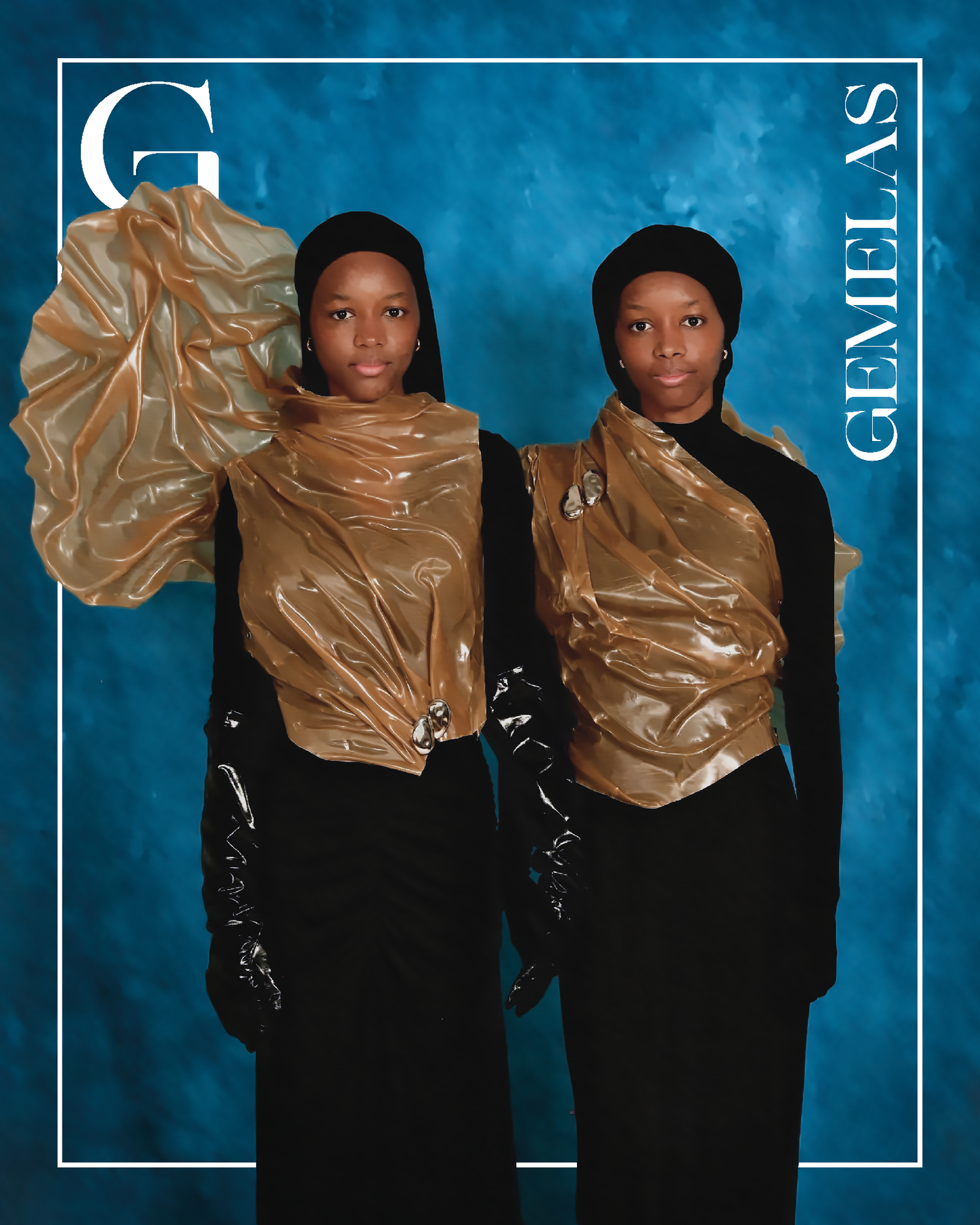
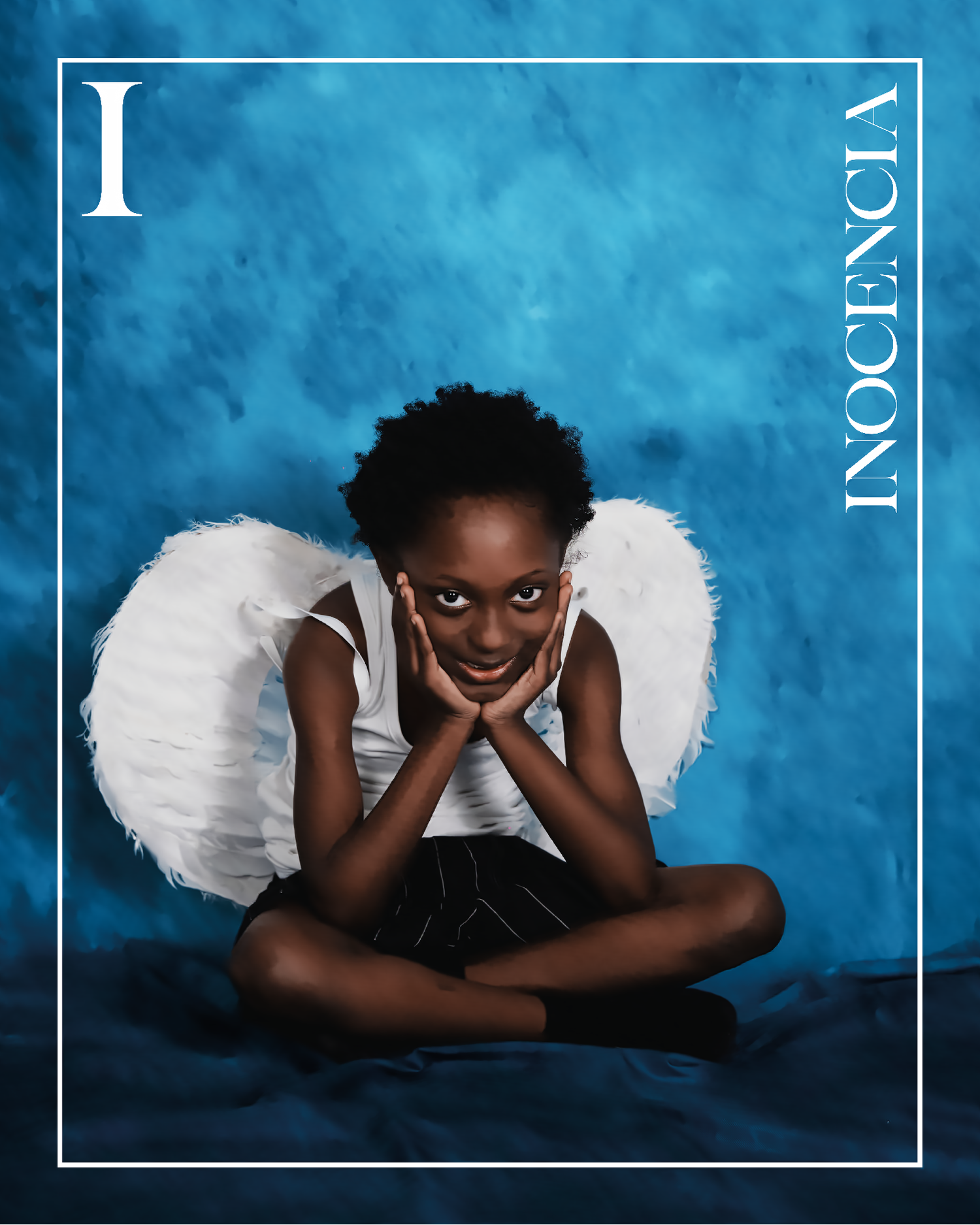
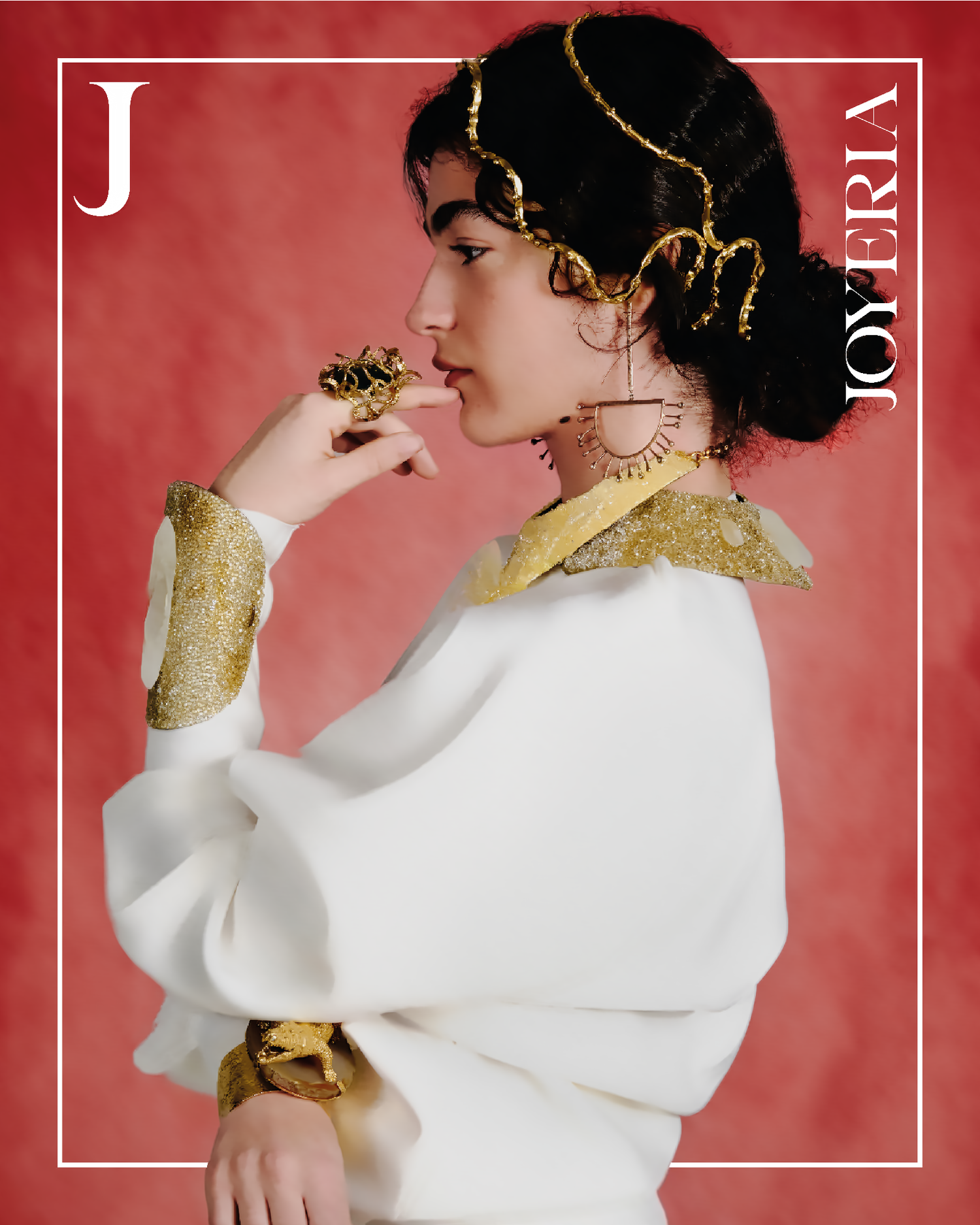
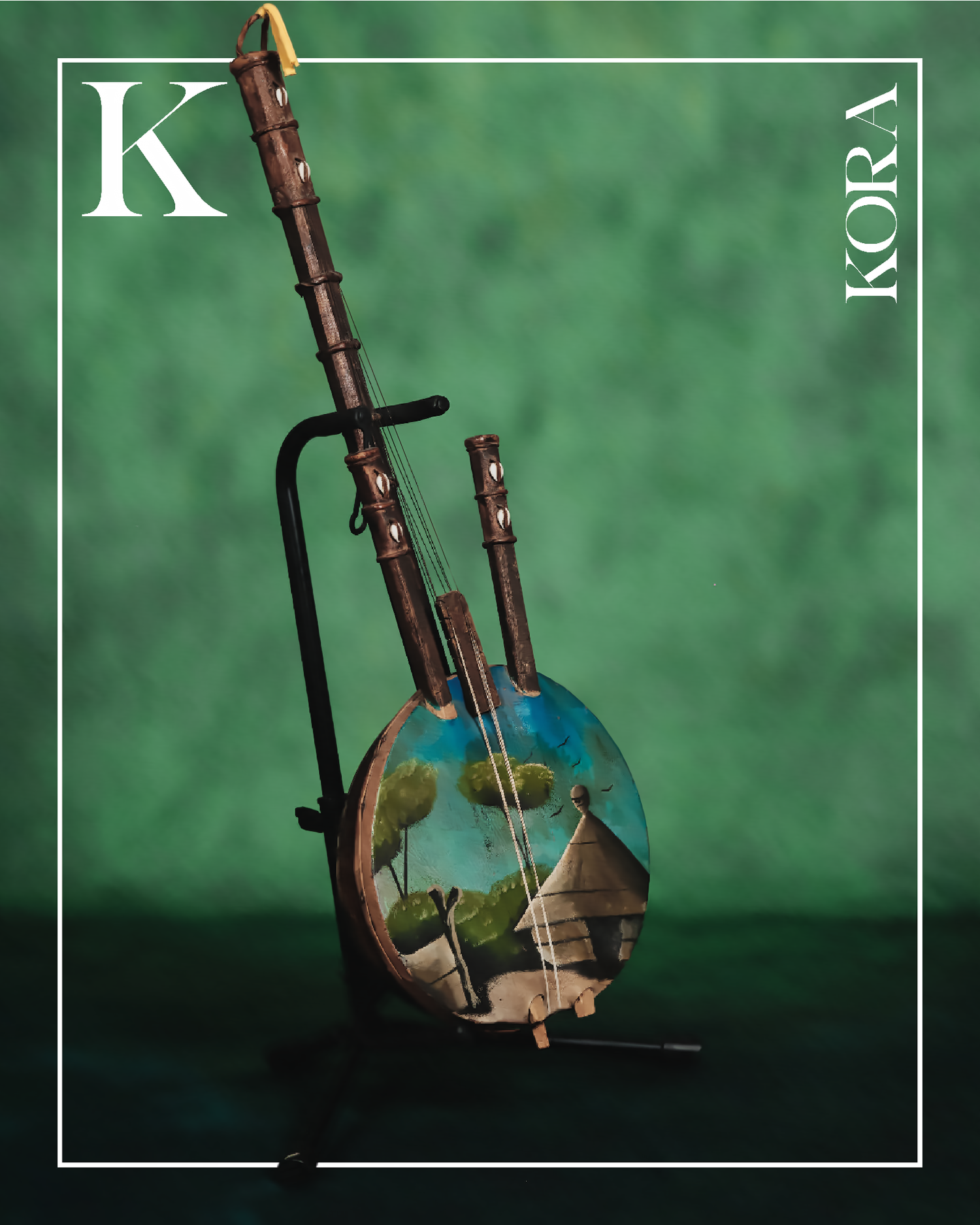
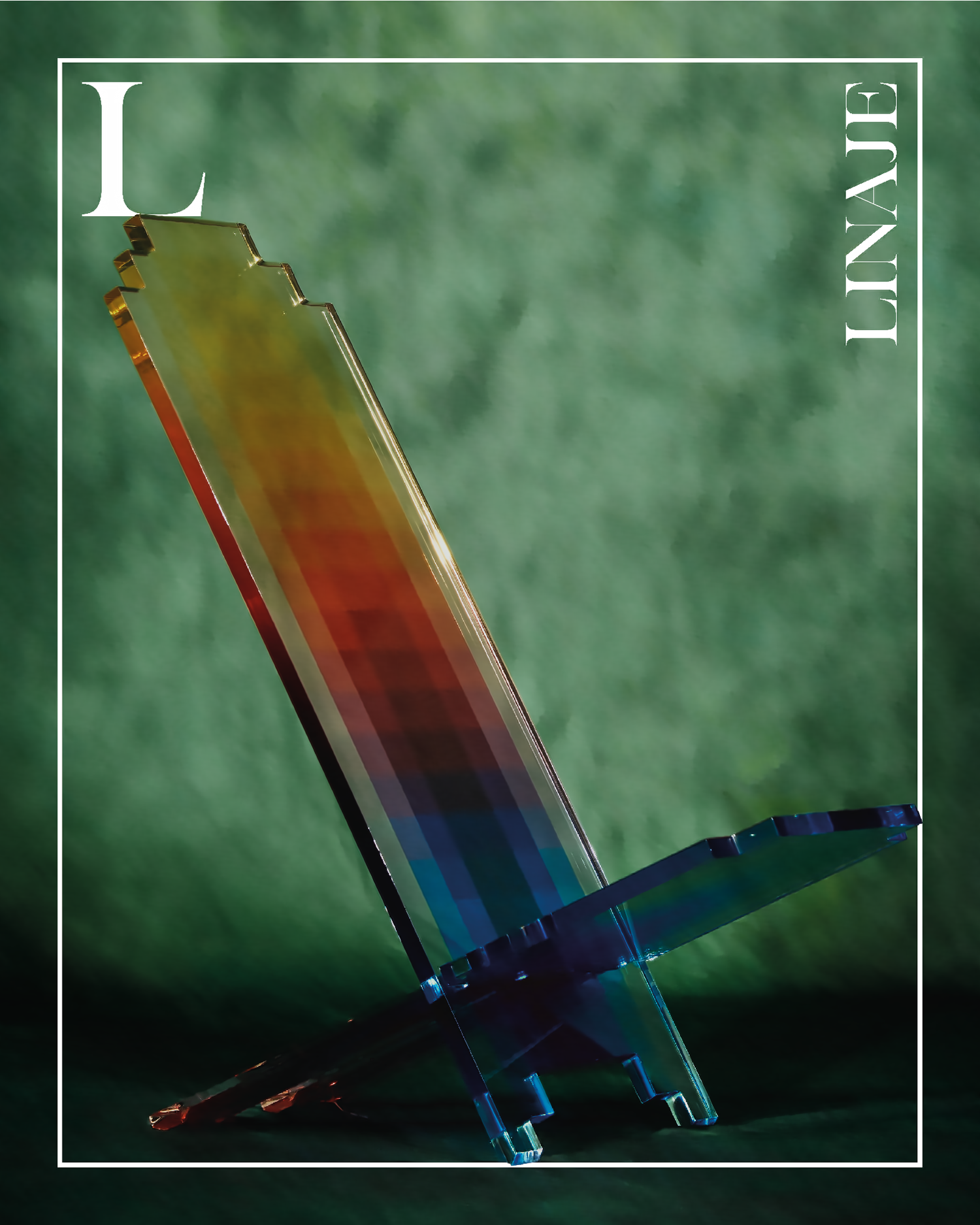
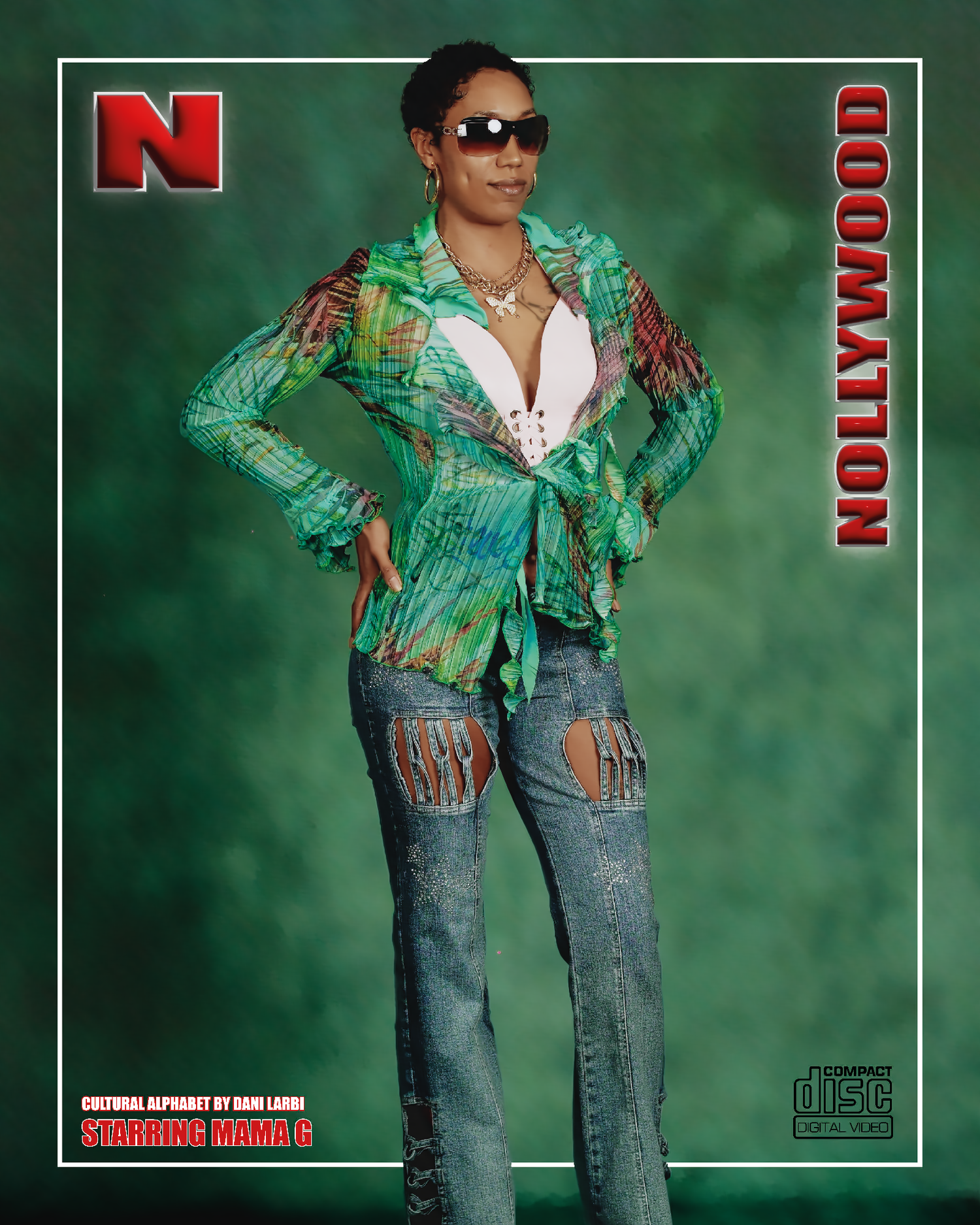
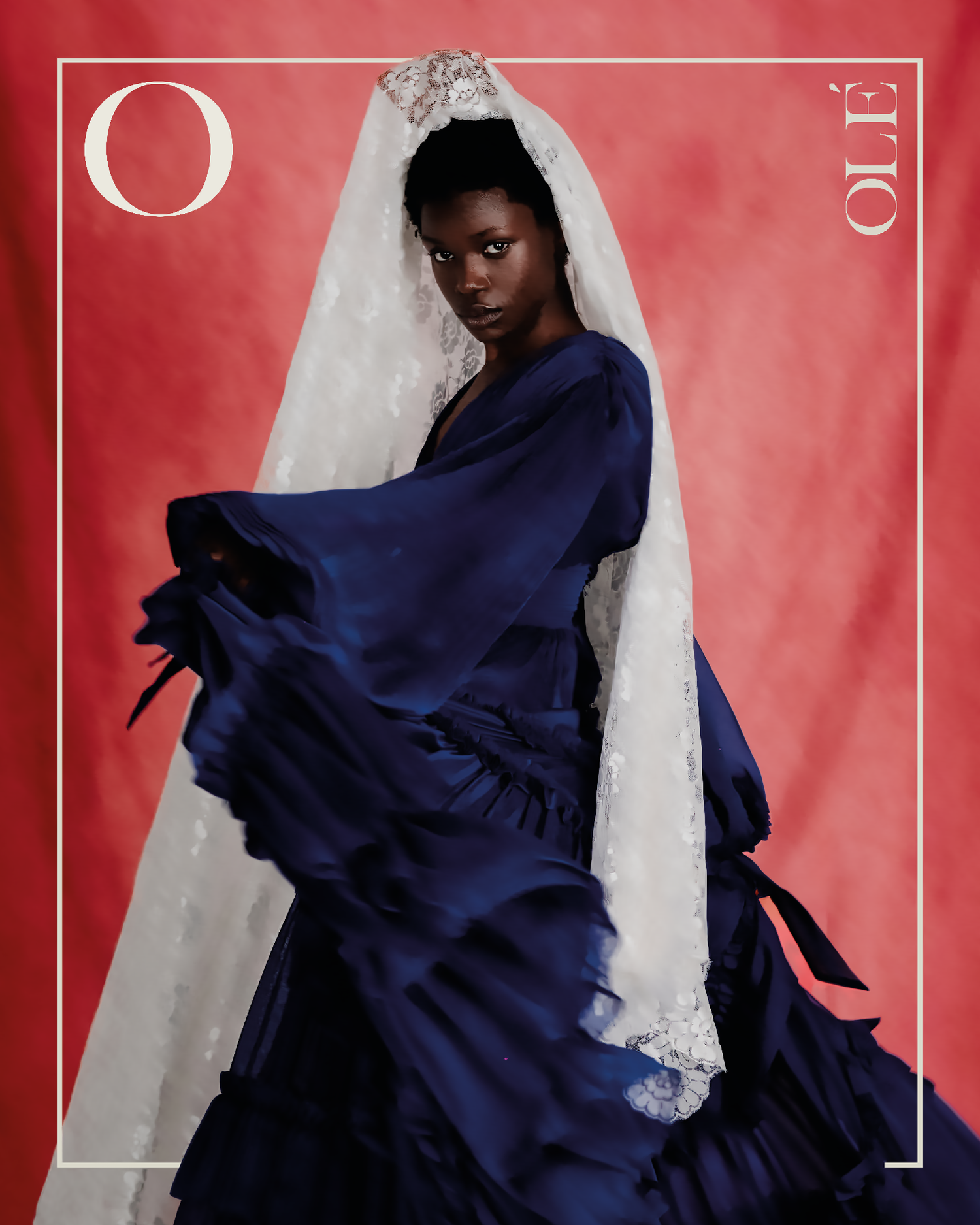
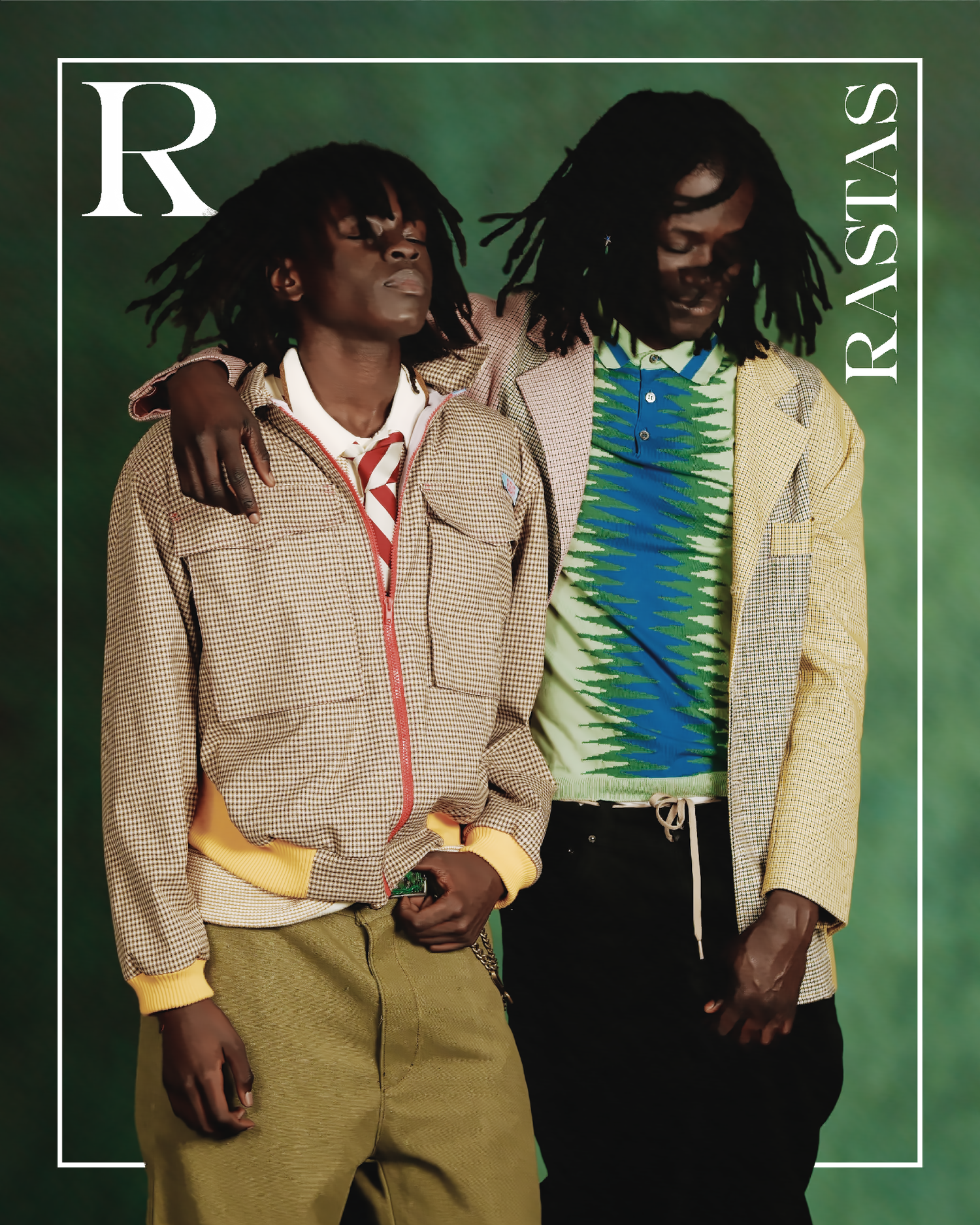
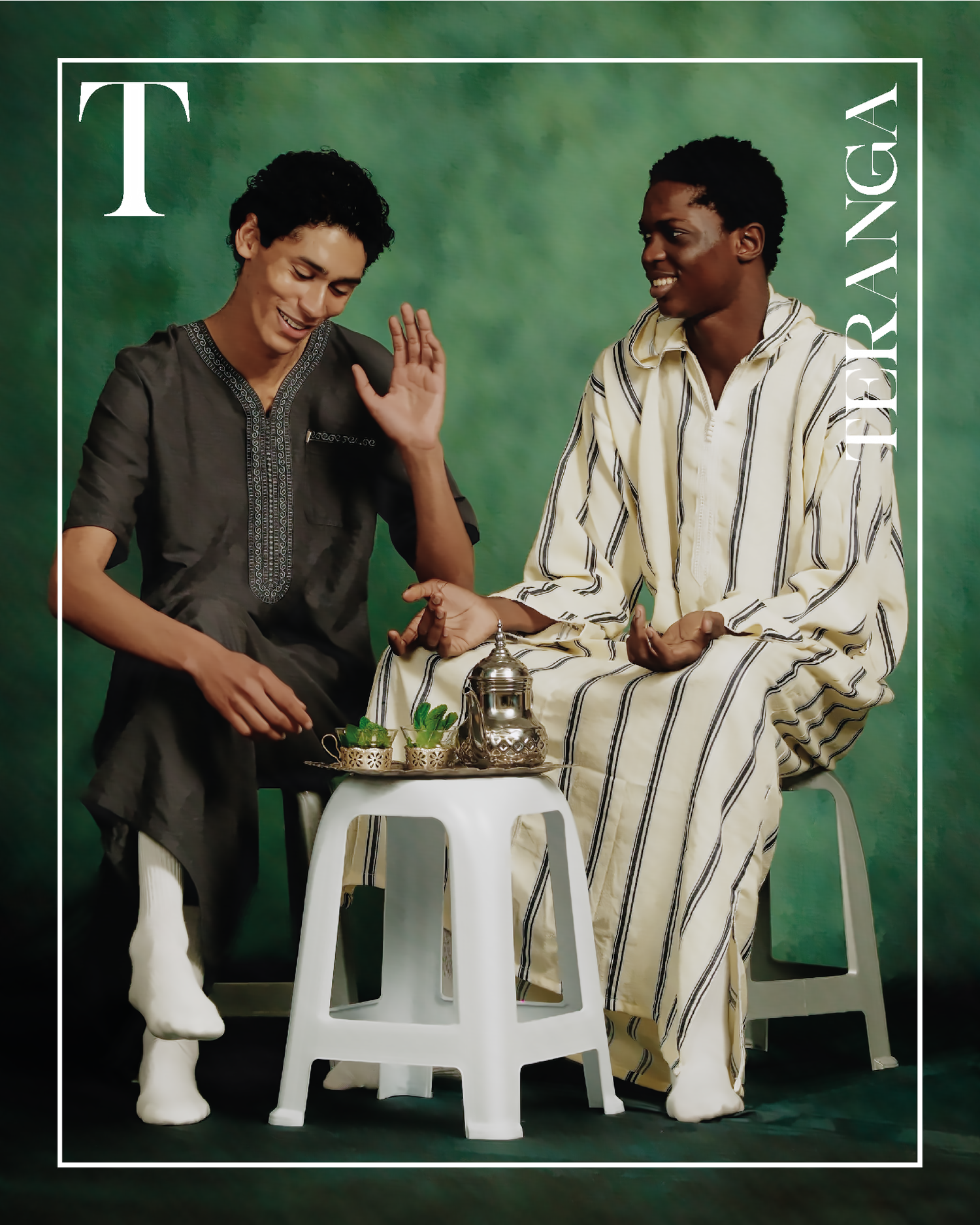
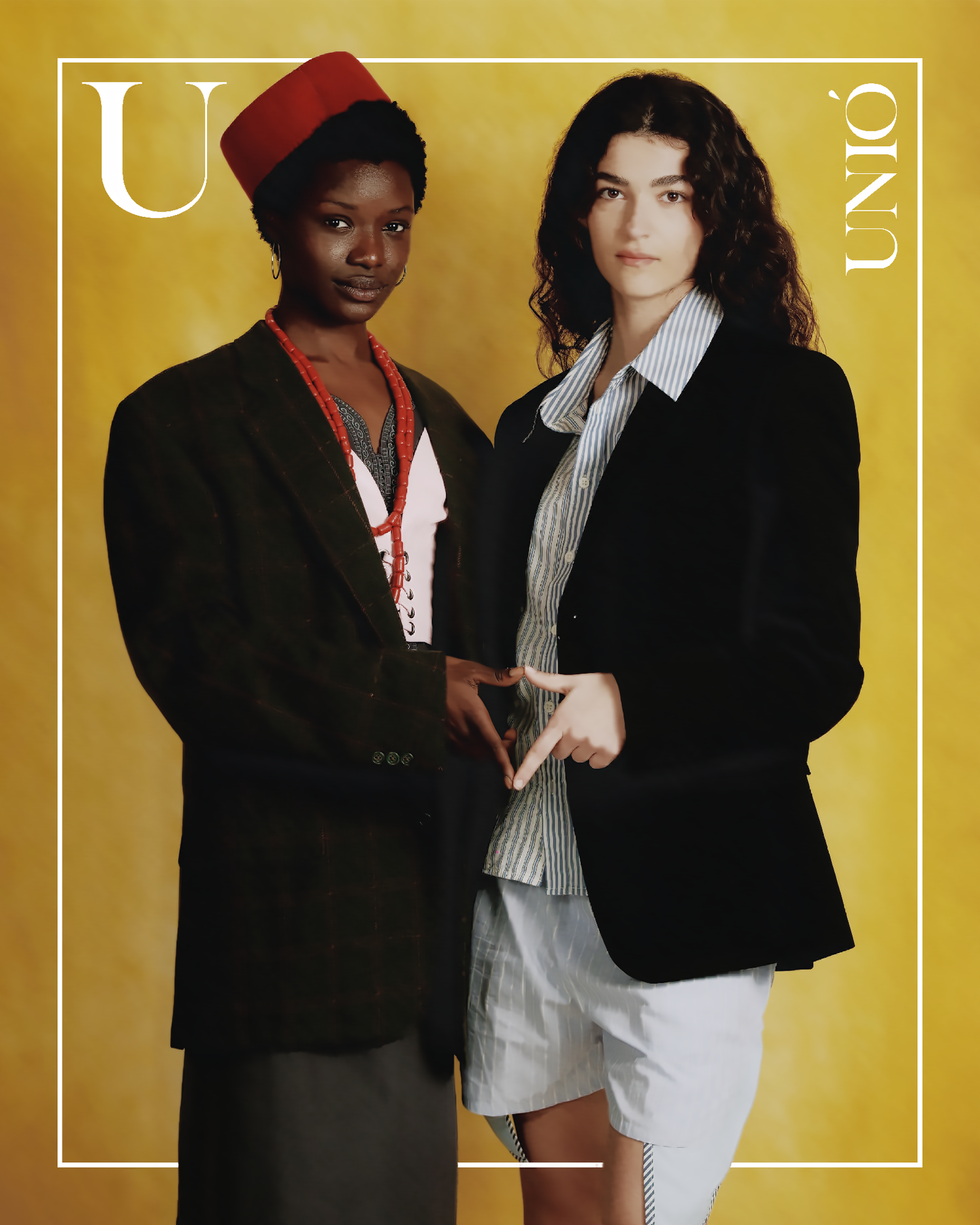
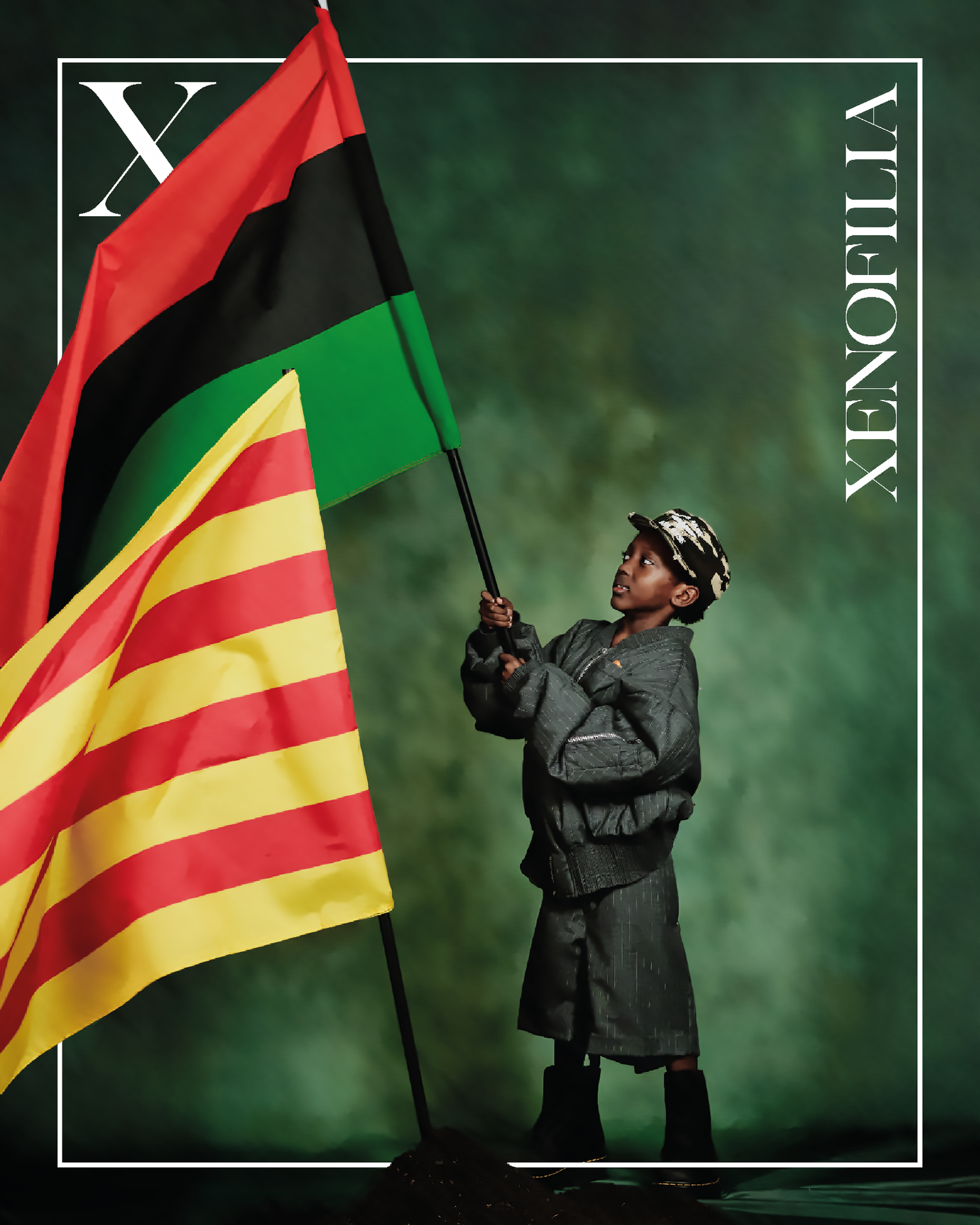
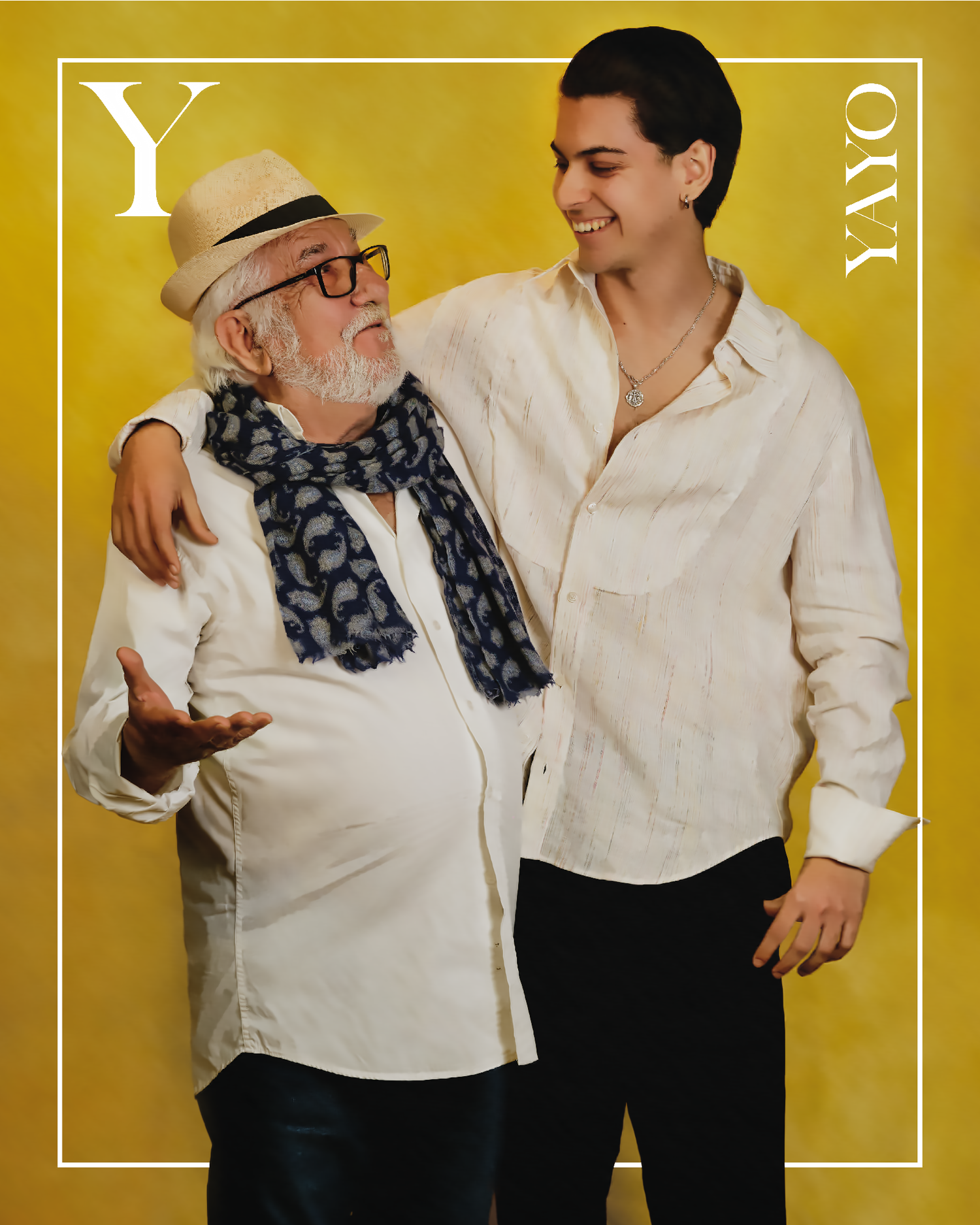
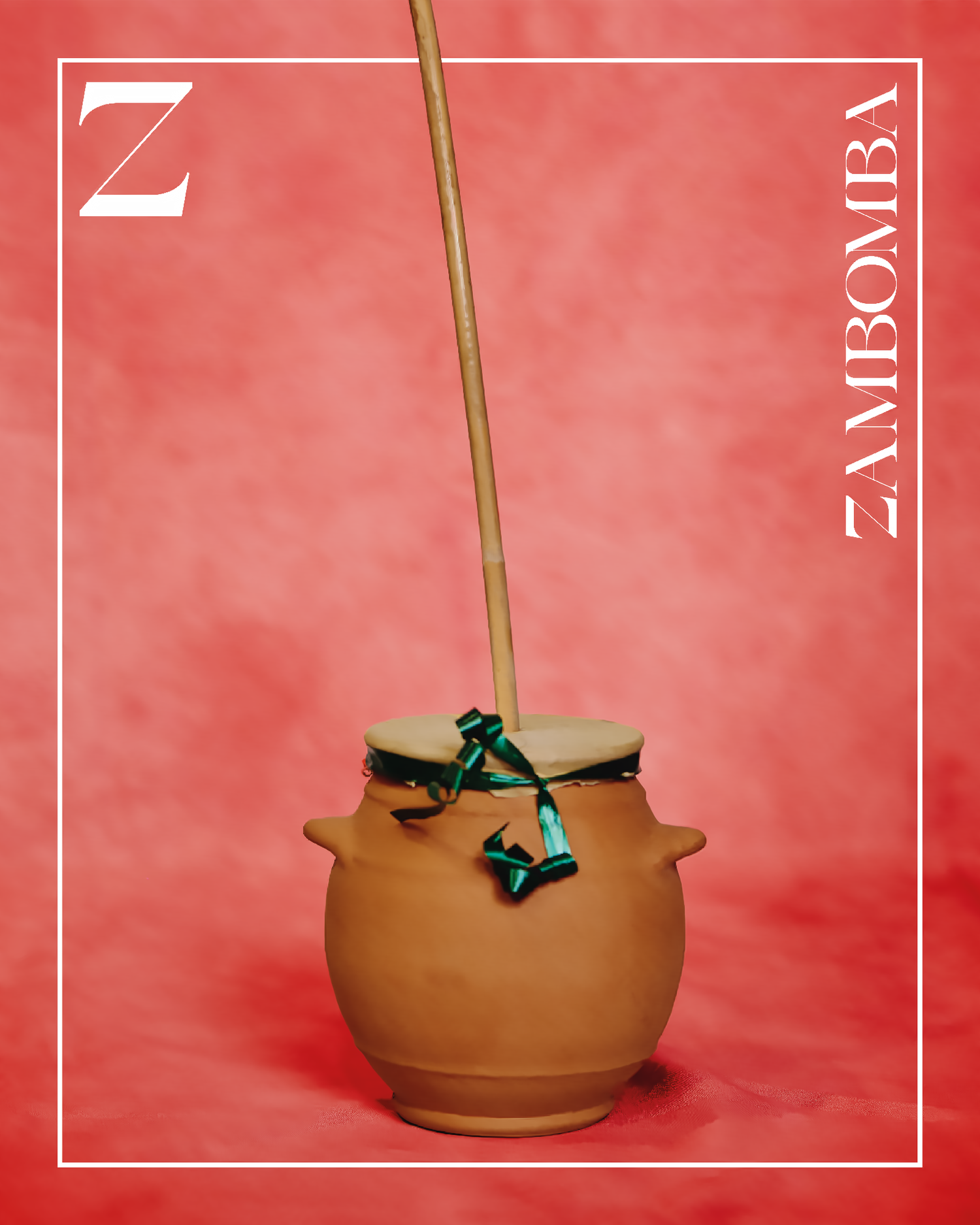
The 'Black ABCs', created in 1970 by Chicago educators June Sark Heinrich and Bernadette H. Triplett, reimagined the alphabet as a playful framework for Black joy and cultural affirmation. Decades later, creative director Dani Larbi draws from this legacy with 'The Cultural Alphabet', a 26-image series that translates the concept into an Afro-European context. Shaped by his upbringing between Barcelona and his Nigerian and Ghanaian heritage, the project reflects a generation formed across multiple cultures that are inseparable rather than divided. Each letter becomes a visual signifier, where language, identity, and symbolism intersect. A defined colour system anchors the work red for Spain, green for Africa, yellow for Catalonia, and blue for family, binding personal and collective histories into a unified visual language. Across the series, familiar words are recontextualised into cultural markers that move between intimacy and collective memory. Everyday references become symbolic entry points, mapping a shared vocabulary that is both personal and transnational in scope. As Larbi describes it, the project is built on ideas of coexistence, contrast, and fusion, using the simplicity of the alphabet to reflect the complexity of contemporary Afro-European identity. Rather than separating influences, the work insists on their overlap where identity is not fixed, but continuously formed through movement, place, and memory.








Dani Larbi reimagines the Black ABCs through the lens of African and Spanish identity
The 'Black ABCs', created in 1970 by Chicago educators June Sark Heinrich and Bernadette H. Triplett, reimagined the alphabet as a playful framework for Black joy and cultural affirmation. Decades later, creative director Dani Larbi draws from this legacy with 'The Cultural Alphabet', a 26-image series that translates the concept into an Afro-European context. Shaped by his upbringing between Barcelona and his Nigerian and Ghanaian heritage, the project reflects a generation formed across multiple cultures that are inseparable rather than divided. Each letter becomes a visual signifier, where language, identity, and symbolism intersect. A defined colour system anchors the work red for Spain, green for Africa, yellow for Catalonia, and blue for family, binding personal and collective histories into a unified visual language. Across the series, familiar words are recontextualised into cultural markers that move between intimacy and collective memory. Everyday references become symbolic entry points, mapping a shared vocabulary that is both personal and transnational in scope. As Larbi describes it, the project is built on ideas of coexistence, contrast, and fusion, using the simplicity of the alphabet to reflect the complexity of contemporary Afro-European identity. Rather than separating influences, the work insists on their overlap where identity is not fixed, but continuously formed through movement, place, and memory.