MAGLERA DOE BOY
The wordsmith of South African hip-hop, Maglera Doe Boy channels township realities into music that balances wit, grit, and raw honesty
Maglera Doe Boy occupies a singular position within South Africa’s contemporary hip-hop landscape, consistently resisting the demands of commercial legibility and fixed genre identity. His practice is defined by sharp lyricism, dark humour, and a purposeful embrace of discomfort, operating across music, performance, and visual culture. Rather than offering aspirational narratives or easily consumable personas, Maglera foregrounds tension−between irony and sincerity, vulnerability and bravado, control and collapse−as a critical strategy. Central to this approach is God Is Power, released as both a musical work and a tightly constructed visual piece. The project functions not as a statement of belief, but as a deliberate interrogation of authority, self-representation, and symbolic power in contemporary culture. Through its restrained yet confrontational language, God Is Power crystallises Maglera’s broader practice: one that treats power as something performed, contested, and constantly re-authored rather than simply claimed.

Set in Kanana township, God Is Power marks a significant moment in Maglera Doe Boy’s evolving visual language. Drawing on noir aesthetics and classical symbolism, the video reframes kasi life through a lens that is at once grounded and mythic. Rather than leaning into spectacle or escapism, the work favours restraint, atmosphere, and social realism, transforming familiar spaces into sites of ritual, power, and introspection. The video operates as a kind of origin narrative, where everyday township environments are elevated through sacred motifs and surreal gestures. Maglera’s presence is deliberate and composed, positioning him less as performer than as narrator within his own constructed universe. This approach resists romanticisation while asserting the township as a space of complexity, imagination, and authorship.
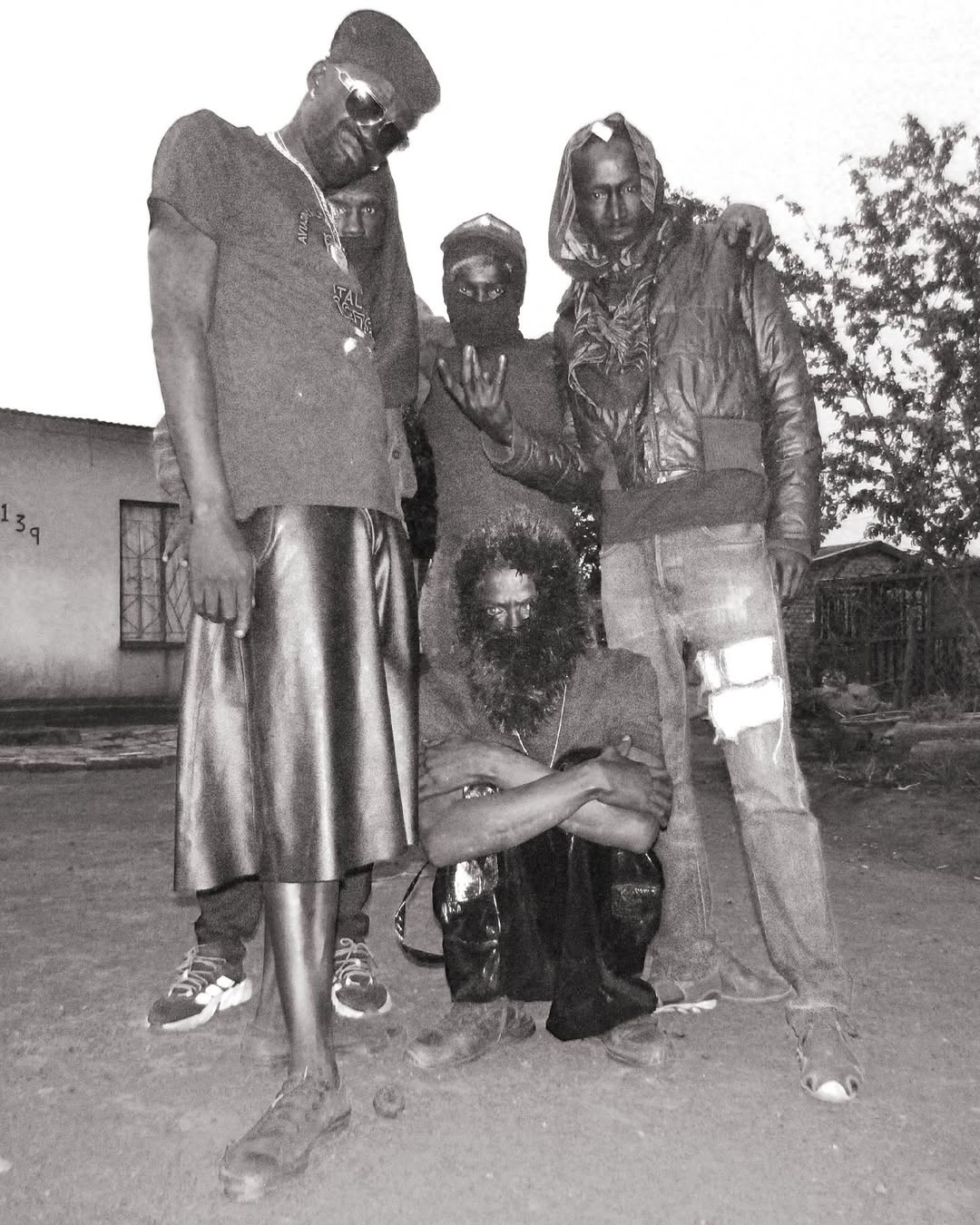
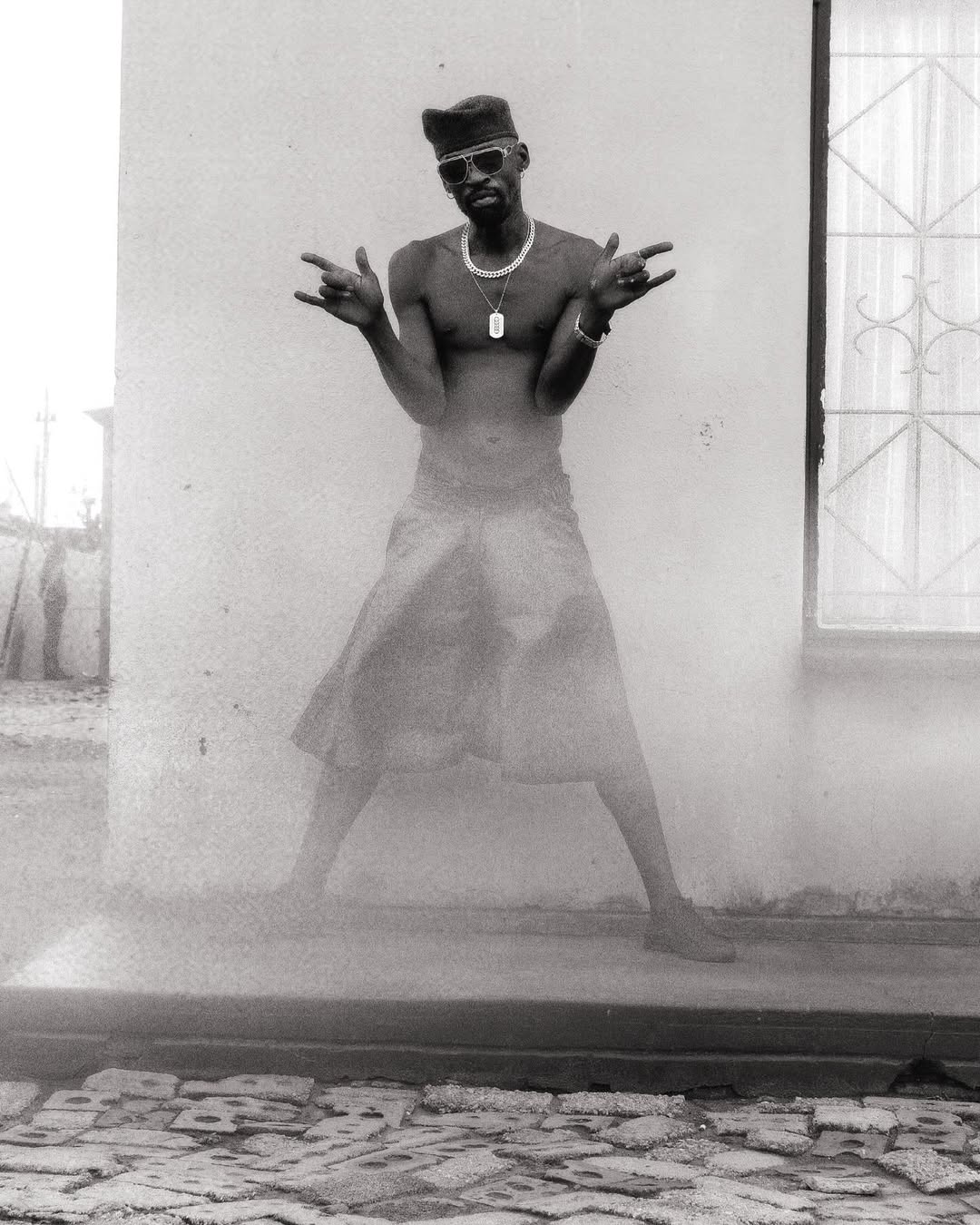
Sonically, God Is Power unfolds over a layered and expansive production by Fiji Mageba, whose string-led composition lends the track a cinematic weight. The addition of burningforestboy’s reverberant vocals further deepens the emotional register, introducing a spectral quality that mirrors the video’s visual tension. Together, sound and image move in dialogue, reinforcing the work’s meditative pace and sense of scale. The track appears on The Maglera Tapes, a project that deliberately unsettles genre boundaries, oscillating between moments of lyrical excess and stark personal reflection. Across the record, Maglera navigates the contradictions of aspiration and constraint, luxury and survival, without resolving them into a singular narrative. This refusal of closure is central to his practice.Underlying God Is Power is a quiet but pointed engagement with history. Townships remain material reminders of apartheid-era spatial design−environments shaped by exclusion, surveillance, and economic exploitation. Maglera’s work does not offer commentary in didactic terms; instead, it absorbs these conditions into its texture. Informed as much by lived experience as by a long-standing engagement with literature and historical narratives, his approach situates township life within broader questions of empire, power, and visibility
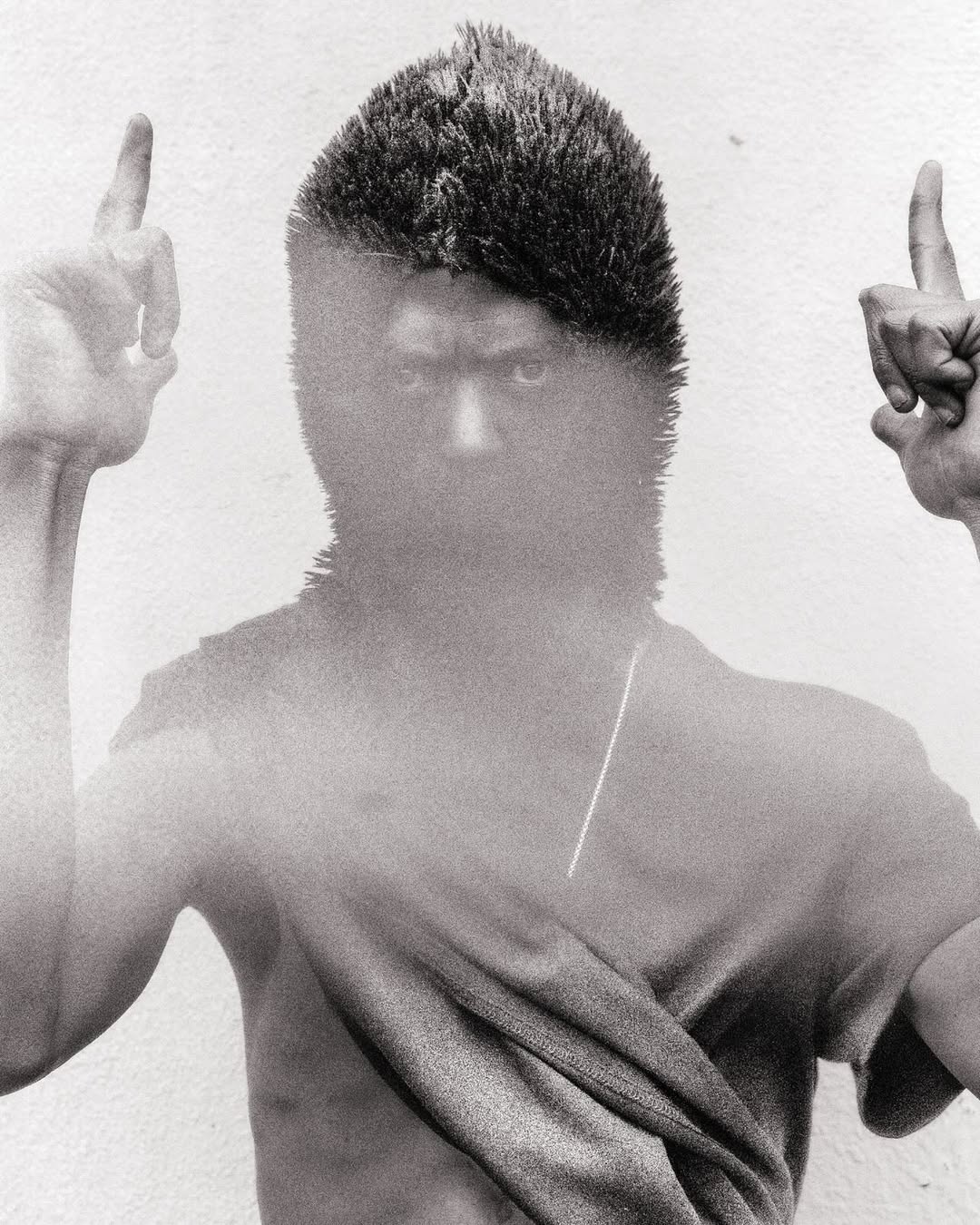
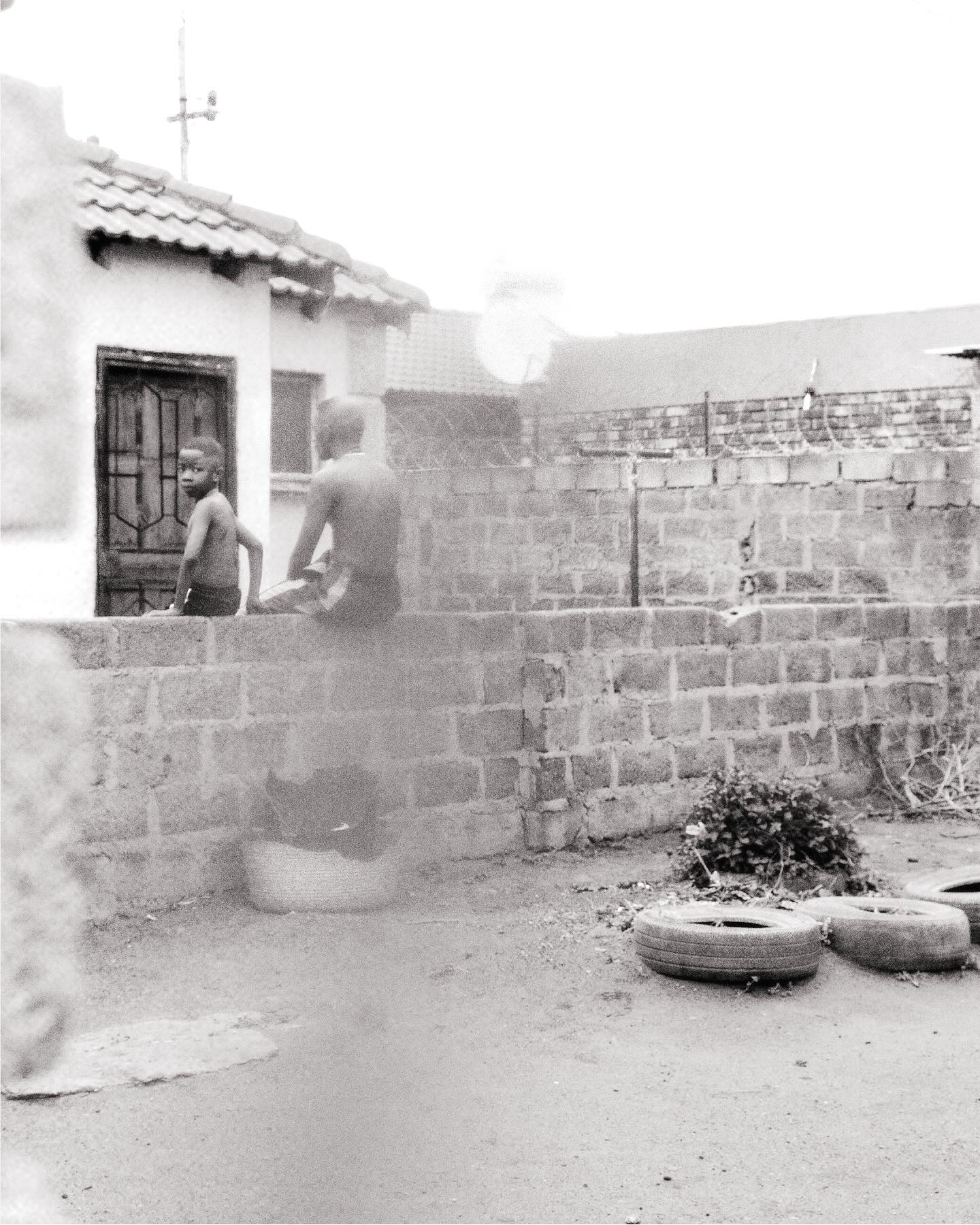
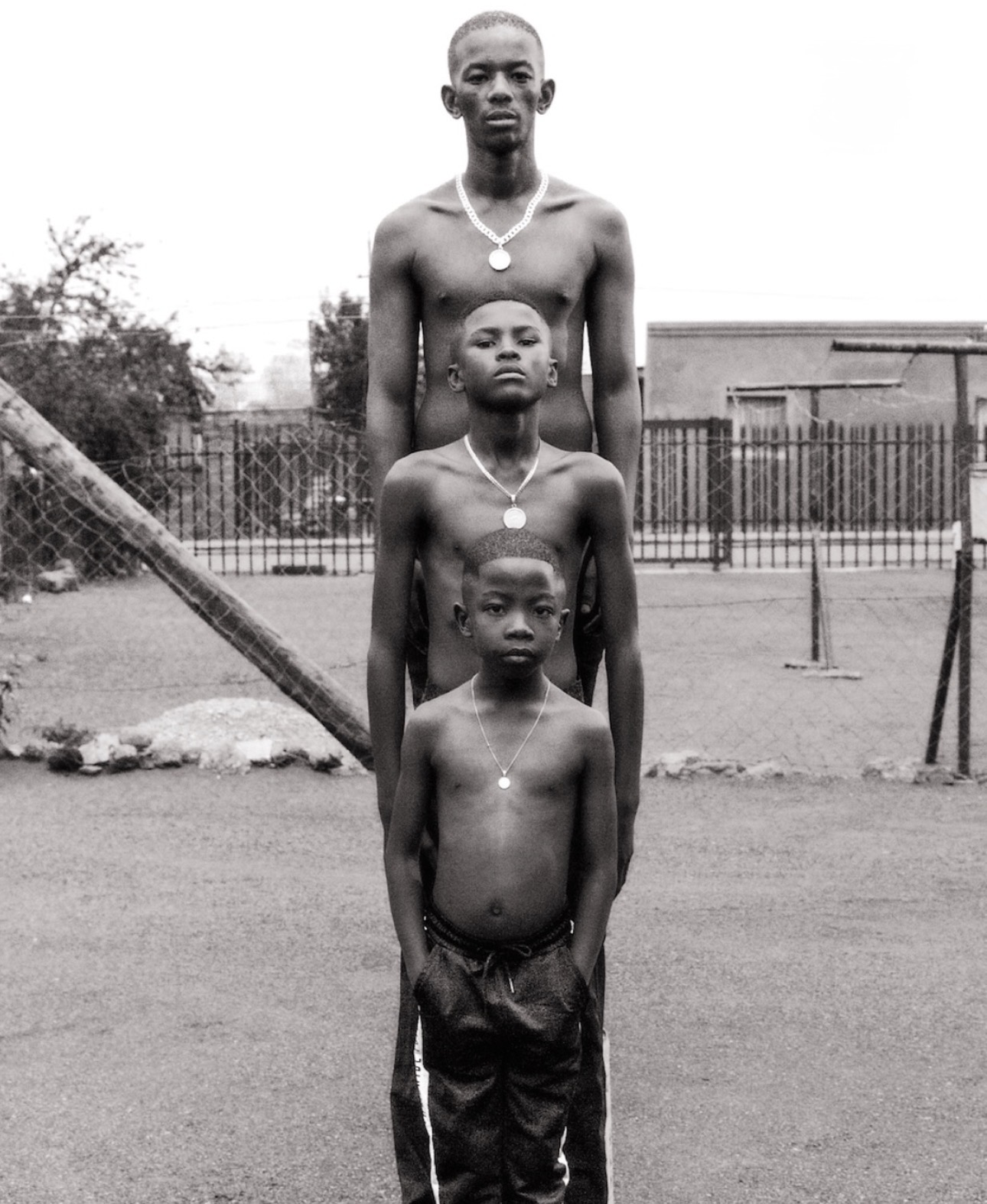
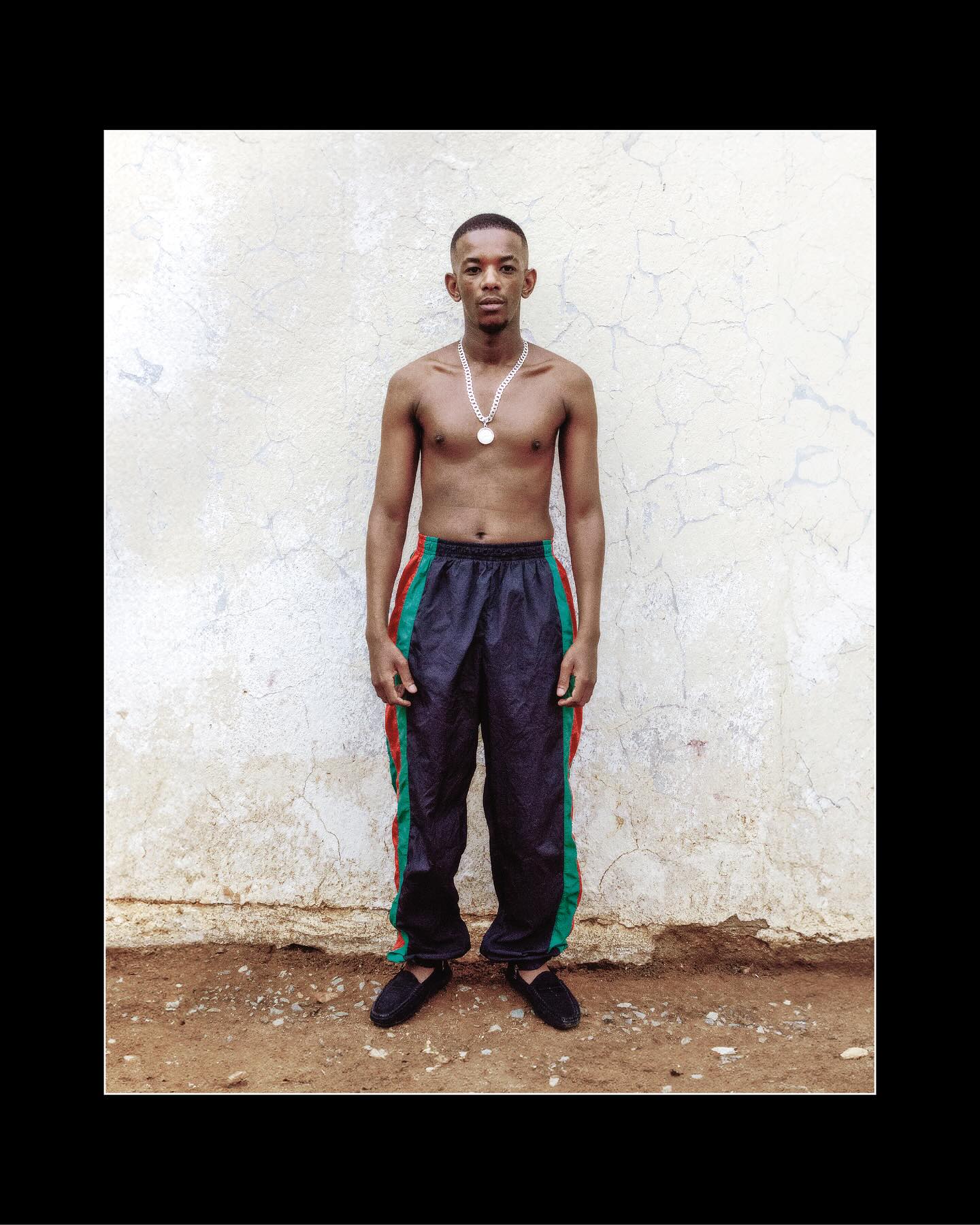
In God Is Power, Maglera Doe Boy asserts a visual and musical language that is both self-aware and critically engaged. The result is a work that neither seeks validation nor spectacle, but instead claims space−cinematic, cultural, and conceptual−on its own terms.
All images, courtesy of the artist.
The wordsmith of South African hip-hop, Maglera Doe Boy channels township realities into music that balances wit, grit, and raw honesty
Maglera Doe Boy occupies a singular position within South Africa’s contemporary hip-hop landscape, consistently resisting the demands of commercial legibility and fixed genre identity. His practice is defined by sharp lyricism, dark humour, and a purposeful embrace of discomfort, operating across music, performance, and visual culture. Rather than offering aspirational narratives or easily consumable personas, Maglera foregrounds tension−between irony and sincerity, vulnerability and bravado, control and collapse−as a critical strategy. Central to this approach is God Is Power, released as both a musical work and a tightly constructed visual piece. The project functions not as a statement of belief, but as a deliberate interrogation of authority, self-representation, and symbolic power in contemporary culture. Through its restrained yet confrontational language, God Is Power crystallises Maglera’s broader practice: one that treats power as something performed, contested, and constantly re-authored rather than simply claimed.
Set in Kanana township, God Is Power marks a significant moment in Maglera Doe Boy’s evolving visual language. Drawing on noir aesthetics and classical symbolism, the video reframes kasi life through a lens that is at once grounded and mythic. Rather than leaning into spectacle or escapism, the work favours restraint, atmosphere, and social realism, transforming familiar spaces into sites of ritual, power, and introspection. The video operates as a kind of origin narrative, where everyday township environments are elevated through sacred motifs and surreal gestures. Maglera’s presence is deliberate and composed, positioning him less as performer than as narrator within his own constructed universe. This approach resists romanticisation while asserting the township as a space of complexity, imagination, and authorship.
Sonically, God Is Power unfolds over a layered and expansive production by Fiji Mageba, whose string-led composition lends the track a cinematic weight. The addition of burningforestboy’s reverberant vocals further deepens the emotional register, introducing a spectral quality that mirrors the video’s visual tension. Together, sound and image move in dialogue, reinforcing the work’s meditative pace and sense of scale. The track appears on The Maglera Tapes, a project that deliberately unsettles genre boundaries, oscillating between moments of lyrical excess and stark personal reflection. Across the record, Maglera navigates the contradictions of aspiration and constraint, luxury and survival, without resolving them into a singular narrative. This refusal of closure is central to his practice.Underlying God Is Power is a quiet but pointed engagement with history. Townships remain material reminders of apartheid-era spatial design−environments shaped by exclusion, surveillance, and economic exploitation. Maglera’s work does not offer commentary in didactic terms; instead, it absorbs these conditions into its texture. Informed as much by lived experience as by a long-standing engagement with literature and historical narratives, his approach situates township life within broader questions of empire, power, and visibility
In God Is Power, Maglera Doe Boy asserts a visual and musical language that is both self-aware and critically engaged. The result is a work that neither seeks validation nor spectacle, but instead claims space−cinematic, cultural, and conceptual−on its own terms.
All images, courtesy of the artist.